


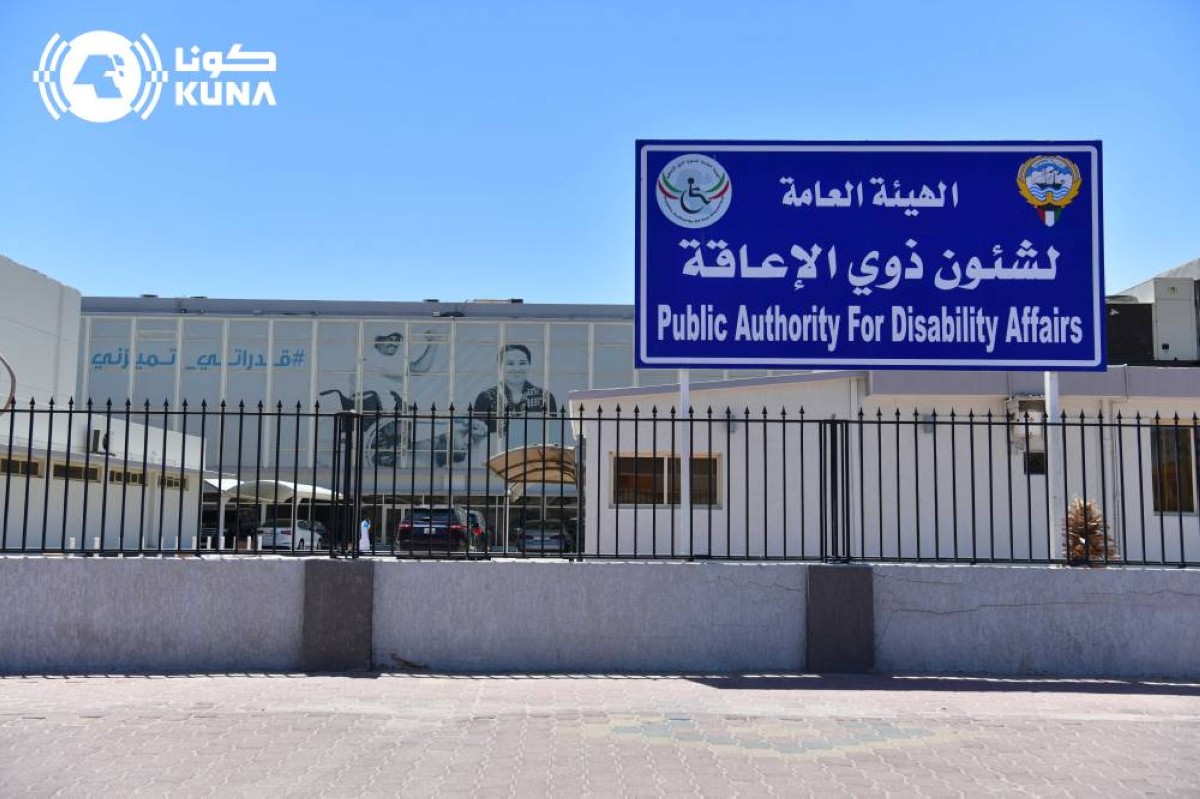

Kuwait is making significant strides in improving the lives of its citizens with disabilities, and a recent announcement from the Public Authority for Disability Affairs (PADA) is a testament to that commitment. The launch of five new electronic services via the “Sahel” government application marks a major step forward in simplifying processes and accelerating disability services for both individuals with disabilities and their caregivers. This initiative aligns with the nation’s broader digital transformation goals and a vision for more accessible governance.
Streamlining Support: New Digital Services for Kuwait’s Disability Community
The Kuwaiti government recognizes the importance of convenient and efficient access to essential services. Minister of Social Affairs, Family and Childhood Affairs, Dr. Amthal Al-Huwailah, has been instrumental in driving this forward, specifically directing PADA to embrace digital solutions. The introduction of these five services through the “Sahel” application is a direct response to that directive, designed to minimize bureaucratic hurdles and maximise support for a vulnerable demographic.
What Services Are Now Available Online?
The newly launched services cover a range of crucial needs for people with disabilities and those who care for them. These include:
- Traffic Permit Applications: Individuals with disabilities can now apply for necessary traffic permits entirely online, eliminating the need for in-person visits.
- Disability Certificate Printing: Obtaining and printing a formal disability certificate is now streamlined through the application.
- Caregiver Certificate Printing: Similarly, caregivers can easily access and print their official certification.
- Reduced Working Hour Requests: A vital service for balancing work and caregiving responsibilities, applications for reduced working hours are now digital.
- Direct Employer Communication: Perhaps the most impactful element, requests for reduced working hours are sent directly to employers through Kuwait’s secure government messaging system. Applicants also retain the ability to print a copy of their request for personal documentation.
This move significantly reduces processing times and improves transparency in the request system. The emphasis on direct communication with employers is especially crucial, ensuring swift consideration of the requests and facilitating a more supportive work environment.
The Benefits of Digital Transformation in Disability Support
Transitioning these services to an electronic platform offers numerous advantages. At its core, it’s about increasing access and convenience. Historically, accessing disability assistance often involved lengthy waits, multiple trips to government offices, and complex paperwork.
The “Sahel” application bypasses these obstacles, offering individuals the opportunity to complete and submit applications from the comfort of their homes. This is particularly beneficial for those with mobility limitations or who reside in remote areas, minimizing the physical and logistical challenges associated with obtaining vital support.
Additionally, the digital format fosters greater efficiency within PADA itself. Automation reduces the burden on staff, allowing them to focus on more complex cases and provide personalized assistance where it’s most needed. This also minimizes potential errors associated with manual data entry and processing.
The use of a unified platform like “Sahel” also enhances data security and promotes interoperability between government agencies. Further digitalisations, like accessible technology integration within Sahel itself, are likely to follow as PADA builds on this success.
Sahel: Kuwait’s Unified Government Services Application
“Sahel” is a key component of Kuwait’s digital government strategy. It acts as a central hub for accessing a wide array of public services, reducing the need for citizens to navigate multiple websites and systems. Its user-friendly interface and secure platform have made it a popular choice for completing government transactions. The integration of PADA’s services into “Sahel” highlights the government’s commitment to making public services inclusive and accessible to all.
PADA’s Commitment to Inclusion & Future Plans
PADA’s announcement emphasizes its ongoing dedication to improving the quality of life for persons with disabilities and their families. The Authority acknowledges that providing accessible and efficient government services is a crucial step towards fostering independence, promoting social inclusion, and empowering individuals to fully participate in society.
This launch isn’t a one-off event. PADA is likely to continue expanding its digital offerings, exploring innovative ways to leverage technology to address the unique challenges faced by the disability community. Potential future developments could include:
- Online access to financial aid applications and status updates.
- Digital rehabilitation programs and resources.
- Improved data collection and analysis to better understand the evolving needs of individuals with disabilities.
- Enhanced integration with healthcare providers to streamline access to medical support.
A Positive Step Towards a More Inclusive Kuwait
The introduction of these five electronic services through the “Sahel” application represents a significant victory for the disability community in Kuwait. It demonstrates a clear commitment from the government to prioritize accessibility, efficiency, and inclusivity. By embracing digital transformation, PADA is not only simplifying processes for those it serves but also setting a precedent for other government agencies to follow.
We encourage individuals with disabilities and their caregivers to explore these new services via the “Sahel” app, available on both iOS and Android. To learn more about PADA and the full range of support available, visit their official website. The ongoing development and improvement of these digital tools promises a brighter, more accessible future for all citizens of Kuwait.