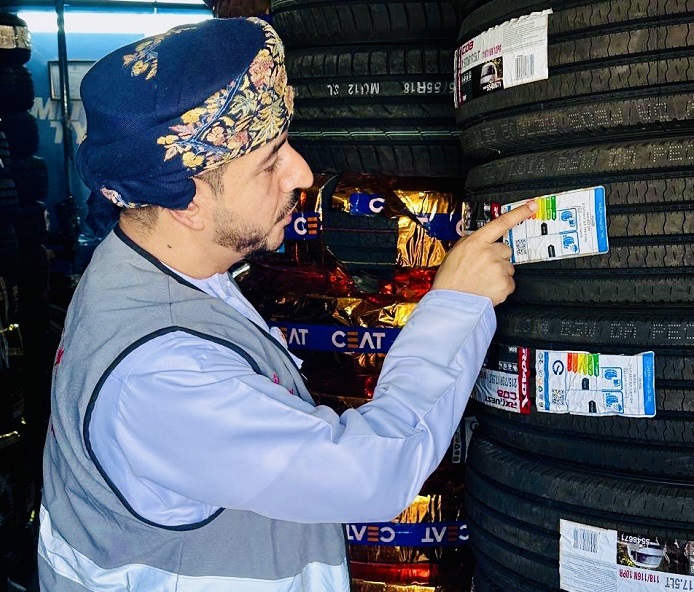

Muscat, Oman – Ensuring the safety of drivers and vehicles on Omani roads is a top priority for the Ministry of Commerce, Industry and Investment Promotion (MoCIIP). Recent comprehensive tyre inspections conducted by the Ministry across the local market reveal a high level of compliance, but also highlight areas needing continued vigilance. These proactive measures aim to protect consumers and maintain confidence in the quality of products available within the Sultanate.
Recent Tyre Inspections in Oman: A Focus on Safety and Quality
The MoCIIP’s Standards and Metrology Inspection Department recently concluded an extensive assessment of tyres available for purchase in Oman. Led by Shaima bint Khamis Al Balushi, Head of the department, the inspection process involved analyzing 58 samples to assess their adherence to established safety and quality standards. The results demonstrated a robust 96.55% compliance rate, with only two instances of non-conformity identified. This showcases the effectiveness of the ministry’s ongoing efforts to regulate the market and safeguard road users.
Strengthening Market Surveillance Systems
This initiative is a core component of MoCIIP’s broader strategy to bolster market surveillance systems in Oman. According to Al Balushi, the goal is not only to identify and penalize non-compliant businesses but also to continually refine inspection capabilities and build a trustworthy marketplace for consumers. This involves enhancing the skills of national inspection and conformity teams through specialized training and leveraging international best practices.
The Significance of the GCC Conformity Mark
A key takeaway from the tyre inspections, emphasized by Al Balushi, is the essential role played by the Gulf Cooperation Council (GCC) Conformity Mark. This mark serves as a crucial indicator of product safety and reliability, assuring consumers that tyres have met specific technical regulations. The Ministry’s efforts are focused on ensuring that all products bearing this mark genuinely comply with those standards.
Intensified Border Controls and Penalties
To proactively prevent the entry of substandard tyres into the Omani market, the MoCIIP is strengthening border controls. This includes more thorough inspections of tyre shipments and a rigorous verification process for customs transactions cleared through automated systems. Documentation completeness is being closely scrutinized, and penalties are being applied to companies found to be non-compliant. This hardline approach is vital for maintaining market integrity.
Furthermore, the Ministry recognizes the importance of collaboration. Ongoing joint inspection campaigns with relevant authorities are planned to create a unified and effective enforcement network.
Specialized Training and the GCC Tyre Market Survey
In September, a specialized workshop focusing on “Tyre Technical Regulations and Market Surveillance” was held. The training, delivered by Eng. Ibrahim Al Rahbi of the Gulf Standardisation Organisation (GSO), equipped inspection and conformity teams across Oman with the latest knowledge and skills in this domain. The workshop was part of the larger GCC Tyre Market Survey, implemented in cooperation with the GSO, to guarantee consistent compliance across all member states.
Workshop Highlights: Technical Regulations and Inspection Techniques
The curriculum covered a wide spectrum of topics, including the GCC’s technical regulations for passenger tyres – specifically those imported from China, India, Thailand, and Taiwan. Participants gained insights into tyre manufacturing processes, international best practices for market surveillance, and the GSO’s critical role in ensuring tyre safety. Importantly, the training also included hands-on sessions in visual and laboratory inspection methods, alongside proper sampling procedures to ensure accurate assessments. The workshop emphasized the importance of consistent standards.
Observations and Emerging Trends from Market Monitoring
Field visits conducted as part of the project revealed some concerning observations. These included tyres lacking the necessary GCC data labels. A growing trend involves the presence of European tyre efficiency labels, sometimes used alone or in conjunction with GCC labels, creating potential confusion. Furthermore, discrepancies were found between the data presented on European and GCC labels, particularly with regards to wet grip and energy efficiency ratings, which could mislead consumers. Concerns were also raised about marketing practices, such as tyres branded with Singaporean company names alongside claims of German engineering while originating from Chinese manufacturing facilities.
Consumer education is paramount to combating these issues. The MoCIIP plans to launch outreach initiatives to raise awareness about the significance of the GCC Conformity Mark and to empower consumers to make informed purchasing decisions. This will contribute to a more transparent and accountable tyre market. Focusing on vehicle safety is a central aim.
Looking Ahead: Continued Vigilance and Consumer Protection
The tyre inspections recently conducted by the Ministry of Commerce, Industry and Investment Promotion in Oman represent a significant step towards enhancing product safety and cementing consumer trust. While the high compliance rate is encouraging, the observations regarding labelling discrepancies and potentially misleading marketing practices emphasize the need for continued and proactive market surveillance. The MoCIIP remains committed to safeguarding the interests of Omani consumers through rigorous inspection, targeted training, and collaborative efforts with regional and international bodies. Ultimately, these efforts aim to bolster road safety and ensure a reliable supply of quality tyres for all vehicles within the Sultanate. The continued emphasis on the GCC Conformity Mark and increased public awareness will be crucial in achieving these goals.