
Makkah and Madinah welcomed a substantial number of visitors during the Islamic month of Rajab, with a combined total exceeding 78.8 million, according to the General Authority for the Care of the Two Holy Mosques. This influx demonstrates continued strong demand for religious tourism to Saudi Arabia, even outside of the peak Umrah season. The figures, released this week, highlight the logistical capabilities of the Kingdom in managing large-scale religious gatherings.
The reported visitation occurred during Rajab 1447 AH, corresponding to approximately January and February 2024. Specifically, 14.87 million individuals performed Umrah, while tens of millions more engaged in worship at the Grand Mosque in Makkah and the Prophet’s Mosque in Madinah. These numbers provide insight into the evolving landscape of religious travel and the Saudi government’s efforts to facilitate access to the holy sites.
Record Umrah Numbers Reflect Saudi Arabia’s Tourism Push
The substantial Umrah numbers are particularly noteworthy as they follow a period of significant investment in infrastructure and services aimed at enhancing the pilgrim experience. Saudi Arabia has been actively working to diversify its economy, with tourism – and religious tourism in particular – playing a key role in this strategy. This includes expanding the capacity of both mosques and improving transportation networks.
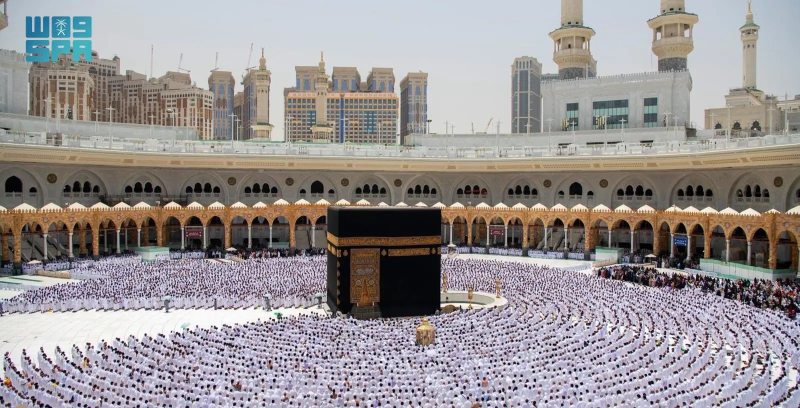
The Grand Mosque in Makkah saw over 34.95 million worshipers during Rajab. Within the mosque complex, the Hijr Ismail, the historical enclosure around the Kaaba, accommodated more than 54,400 worshipers. This area holds special significance for Muslims, and its accessibility is a key factor in the overall pilgrimage experience.
Meanwhile, the Prophet’s Mosque in Madinah hosted approximately 25.07 million worshipers. A particularly revered space within the Prophet’s Mosque, the Rawdah Al-Sharifah, saw over 1.29 million individuals offering prayers. Additionally, 2.59 million visitors paid their respects at the Prophet’s tomb and the graves of his companions.
Logistical Operations and Infrastructure Improvements
The General Authority for the Care of the Two Holy Mosques coordinates a complex network of services to manage the flow of visitors. This includes security, crowd control, health services, and transportation. The success of these operations, as reflected in the high visitor numbers, is a testament to the planning and execution of the authority.
Recent infrastructure projects have significantly increased the capacity of both mosques to accommodate pilgrims. Expansions to the mataf (circumambulation area around the Kaaba) and the sa’i (walking between Safa and Marwa hills) have eased congestion and improved the flow of pilgrims during peak times. Similar expansions and upgrades have been undertaken at the Prophet’s Mosque.
Impact on the Saudi Economy
The influx of pilgrims has a substantial positive impact on the Saudi economy. Spending on accommodation, transportation, food, and souvenirs generates significant revenue for businesses in Makkah and Madinah, as well as related industries across the country. The Saudi government is keen to maximize the economic benefits of religious tourism while ensuring the safety and comfort of pilgrims.
The growth in Umrah and Hajj (the annual pilgrimage) numbers also supports job creation in the tourism sector. From hotel staff and tour guides to transportation workers and security personnel, the industry provides employment opportunities for a large segment of the Saudi population. This aligns with the Kingdom’s broader economic diversification goals.
However, managing such large crowds presents ongoing challenges. Maintaining hygiene standards, preventing the spread of disease, and ensuring the safety of pilgrims require continuous investment and vigilance. The authorities are also focused on improving the overall experience for visitors, including providing better information and support services.
Broader Trends in Religious Travel
The high visitation numbers during Rajab are consistent with a broader trend of increasing religious travel globally. As travel restrictions ease and economic conditions improve, more people are able to fulfill their religious obligations and visit holy sites. Saudi Arabia is well-positioned to capitalize on this trend, given its central role in Islam and its ongoing investments in tourism infrastructure.
The Kingdom is also actively promoting itself as a destination for cultural and heritage tourism, in addition to religious tourism. This includes showcasing its rich history, diverse landscapes, and vibrant cultural scene. The aim is to attract a wider range of visitors and further diversify the economy.
Looking ahead, the Saudi authorities will likely focus on sustaining the momentum of these positive numbers. Further improvements to infrastructure and services are planned, and efforts to streamline the visa application process are ongoing. The next major event will be the Hajj pilgrimage, and preparations are already underway to accommodate the expected millions of pilgrims. Monitoring the impact of these preparations and the overall Hajj experience will be crucial for assessing the long-term success of Saudi Arabia’s tourism strategy. The ongoing geopolitical situation and global health concerns remain potential factors that could influence future visitor numbers.
The Ministry of Tourism is expected to release a comprehensive report on the first half of 2024 in the coming months, providing further details on the performance of the religious tourism sector and outlining future plans. This report will be a key indicator of the Kingdom’s progress towards its tourism goals.