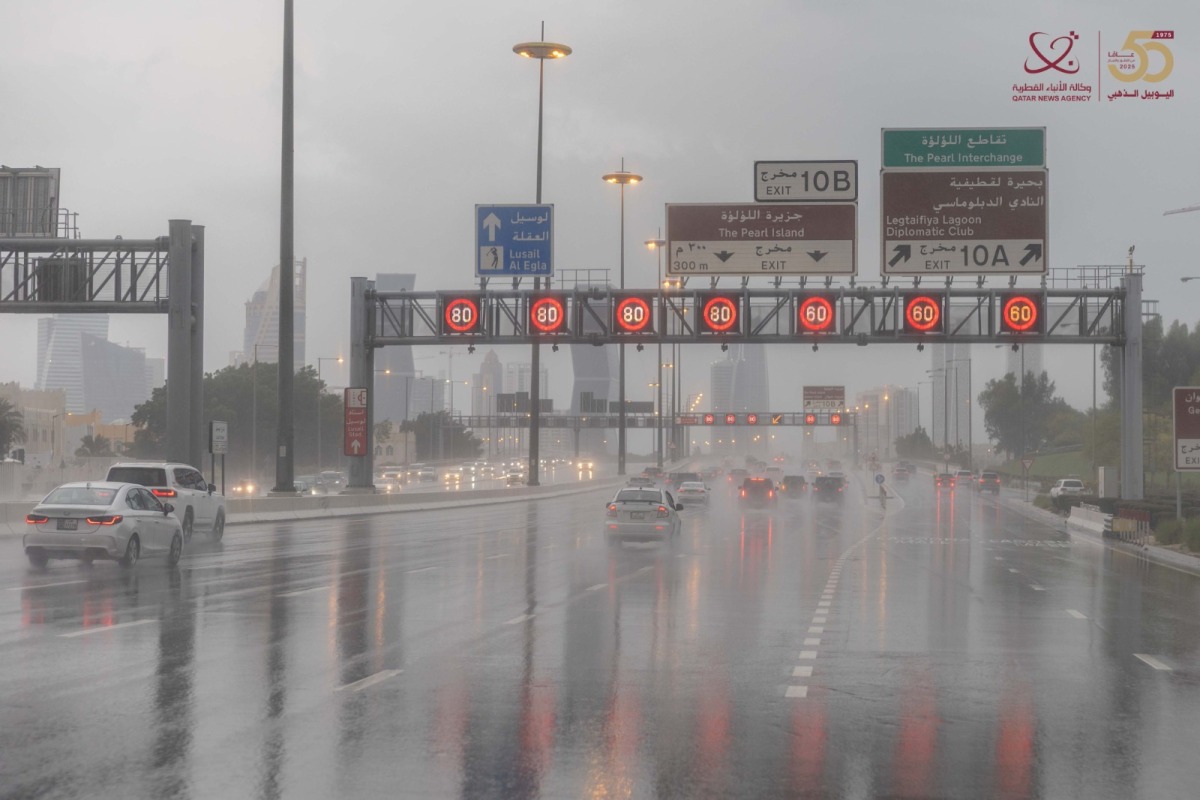

Doha, Qatar – A coordinated response by Qatari authorities has successfully removed approximately 72.3 million gallons of rainwater following recent heavy rainfall across the country. The Joint Rain Emergency Committee, involving municipal governments, the Public Works Authority (Ashghal), and the Ministry of Interior, mobilized significant resources to address widespread flooding and ensure public safety. The operations, which began immediately after the downpours, focused on clearing accumulations to minimize disruption to daily life.
The removal efforts spanned multiple municipalities and involved a large workforce and fleet of vehicles. According to the Ministry of Municipality, 1,452 reports of rainwater accumulation were received via its unified call center, demonstrating the extent of the impact from the recent weather event. As of today, 462 of these reports have been fully resolved, with work continuing on the remaining 990.
Qatar’s Response to Recent Rainwater Challenges
Qatar experiences infrequent but intense rainfall, often leading to localized flooding due to the country’s primarily arid climate and rapidly developing infrastructure. While the nation has invested in drainage systems, the sheer volume of water from recent storms overwhelmed some capacity, leading to the emergency response efforts. The efficient coordination between different governmental bodies was crucial in mitigating the damage.
The Ministry of Municipality reported leveraging 544 tankers and 36 pumps to transport the collected rainwater. A total of 813 employees and workers were dedicated to the operation, working to clear roadways and protect critical infrastructure. The scale of the logistical undertaking highlights the country’s preparedness for such situations.
Mobilizing Resources and Addressing Reports
The immediate priority following the rainfall was to address reports impacting public roads and safety. The Ministry of Municipality’s unified call center played a pivotal role in receiving and dispatching teams to affected areas. The prompt attention to these reports helped prevent more severe incidents related to standing water.
Ashghal, the Public Works Authority, has been actively involved in inspecting and maintaining the country’s drainage infrastructure. They are responsible for long-term improvements that will hopefully enhance the system’s capacity to handle future high-volume rainfall events. Addressing drainage issues is a core component of Qatar’s national development plans.
The Ministry of Interior’s security agencies assisted with traffic management and ensured the safety of residents in flooded areas, according to official statements. Their involvement was instrumental in minimizing risks and providing assistance where needed. This included diverting traffic and providing support to individuals affected by the disruption.
While the majority of immediate concerns are being addressed, ongoing monitoring of affected municipalities is being conducted. These continuing inspections will help identify any remaining pockets of rainwater and assess the overall integrity of the drainage systems. Additionally, monitoring will focus on identifying potential road damage caused by the flooding.
Qatar has significantly increased its investment in infrastructure in recent years, including drainage projects, in preparation for events like the FIFA World Cup 2022. However, the recent heavy rainfall underscores the continuing need for adaptation and resilience to extreme weather events. The country is also exploring long-term solutions regarding drainage systems and sustainable urban planning.
The authorities confirmed that work is ongoing to address the remaining reports and that a full assessment of the infrastructure impact is still underway. The completion of these remaining tasks is expected in the coming days, although timelines are subject to potential further weather changes or unforeseen complications. Future monitoring will focus on identifying areas requiring infrastructural upgrades to enhance climate change adaptation and overall flood resilience, particularly given Qatar’s increasing vulnerability to extreme weather.
Looking ahead, the Joint Rain Emergency Committee will likely analyze the data collected from this event to inform future preparedness strategies. Further investments in improved drainage networks and potentially more comprehensive flood mitigation plans are anticipated. The effectiveness of these ongoing efforts will be a key factor in managing future rainfall events and minimizing disruption to the country.