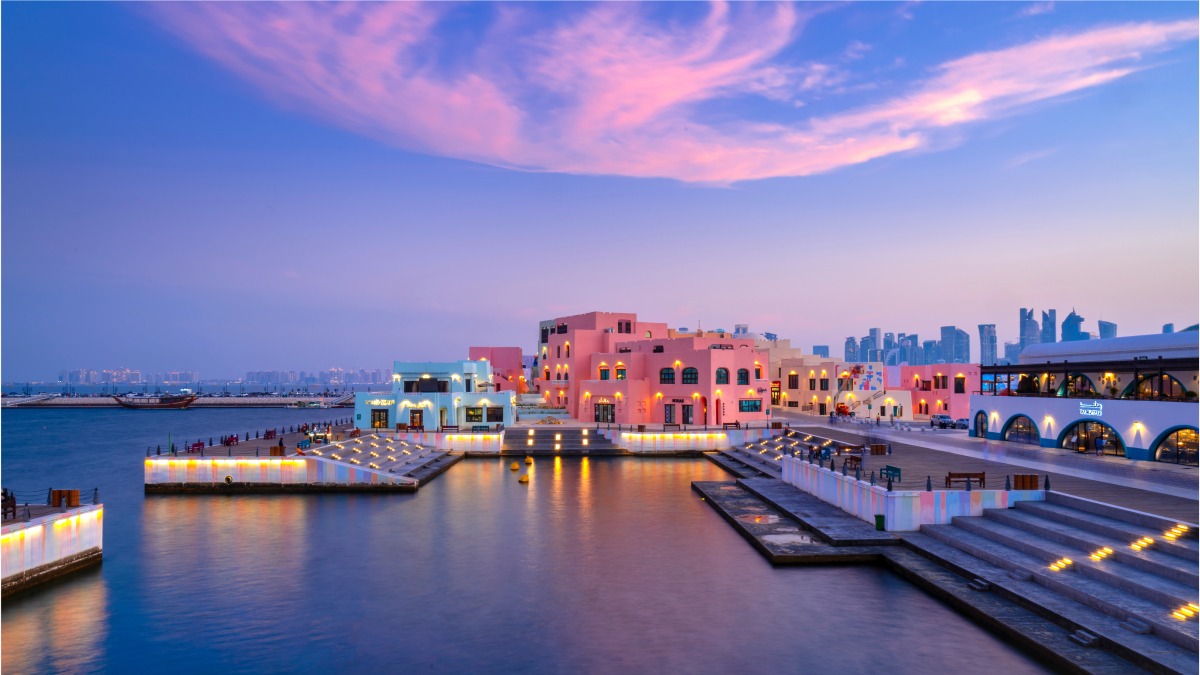

Doha, Qatar – Old Doha Port announced significant milestones achieved in 2025, marking a year of substantial growth in both maritime tourism and operational efficiency. The port reported over 7 million visitors and a 97% occupancy rate, cementing its place as a key destination in Qatar’s expanding tourism sector. These results highlight the nation’s commitment to diversifying its economy and becoming a leading global tourism hub, particularly in luxury travel and cruise tourism.
The port’s success comes as Qatar continues to invest heavily in infrastructure and tourism initiatives following the FIFA World Cup 2022. This investment aims to attract visitors year-round and position the country as a desirable destination for leisure and business travelers. The growth in visitor numbers and ship calls reflects a positive trend for the Qatari economy.
Old Doha Port’s Expanding Role in Maritime Tourism
According to a statement released by Old Doha Port, the past year saw a considerable expansion in its international presence. This was achieved through strategic partnerships and hosting major events designed to increase its visibility within the global cruise and yachting industries. The port welcomed 87 cruise ships, bringing over 396,000 passengers to Qatar, which reinforces its position as the country’s primary maritime gateway.
Engineer Mohammed Abdulla Al Mulla, CEO of Old Doha Port, stated the year represents a “major milestone” in the port’s evolution. He detailed the implementation of several key developments focused on enhancing the visitor experience. Al Mulla emphasized the port’s ongoing dedication to strengthening its international ties.
Infrastructure Enhancements & New Services
Several infrastructure projects contributed to the positive outcomes. A new air-conditioned promenade was activated in the Mina District, providing year-round comfort for visitors and facilitating events regardless of the weather. This addresses a key challenge in the region – extreme summer heat – and ensures consistent visitor flow.
Additionally, the Mina Corniche Marina underwent development to increase berthing capacity and offer extended service options, including premium packages for yacht owners. The launch of the Minakom service streamlined maritime entry procedures for vessels arriving in Qatar, improving efficiency and reducing delays. A water transport service was also introduced to manage visitor movement during peak periods, particularly large events.
Beyond major projects, the port also focused on improving basic amenities. Upgrades were completed to public facilities such as restrooms, walkways, and prayer areas. These enhancements contribute to a more welcoming and comfortable environment for all visitors. Remaining committed to supporting local enterprise, over 60 pop-up retail outlets were activated, fostering a vibrant commercial environment.
The growth in cruise tourism also benefits local businesses. Passengers disembarking from cruise ships contribute to spending on tours, souvenirs, and other local services, stimulating economic activity throughout Doha. The port’s strengthened commercial offerings add to the attractiveness for both visitors and potential investors.
The port’s development aligns with Qatar National Tourism Sector Strategy 2030 (QNTSS), which aims to establish Qatar as a sought-after destination. This involves improving infrastructure, diversifying tourism products, and enhancing the visitor experience. The QNTSS seeks to attract six million visitors annually by 2030.
Looking ahead, Old Doha Port plans to continue building on its recent successes. The focus will likely remain on expanding its capacity for handling larger cruise ships, attracting more luxury yachts, and further developing its retail and entertainment offerings. Future developments might include increased sustainability initiatives and further integration with Qatar’s broader tourism ecosystem, including accessibility to other attractions in the country, such as desert safaris and cultural sites.
Potential challenges include global economic fluctuations and shifting consumer preferences within the luxury travel segment. The port’s occupancy rates and visitor numbers will be closely monitored in the coming year to gauge the sustainability of this growth and inform future investment decisions.