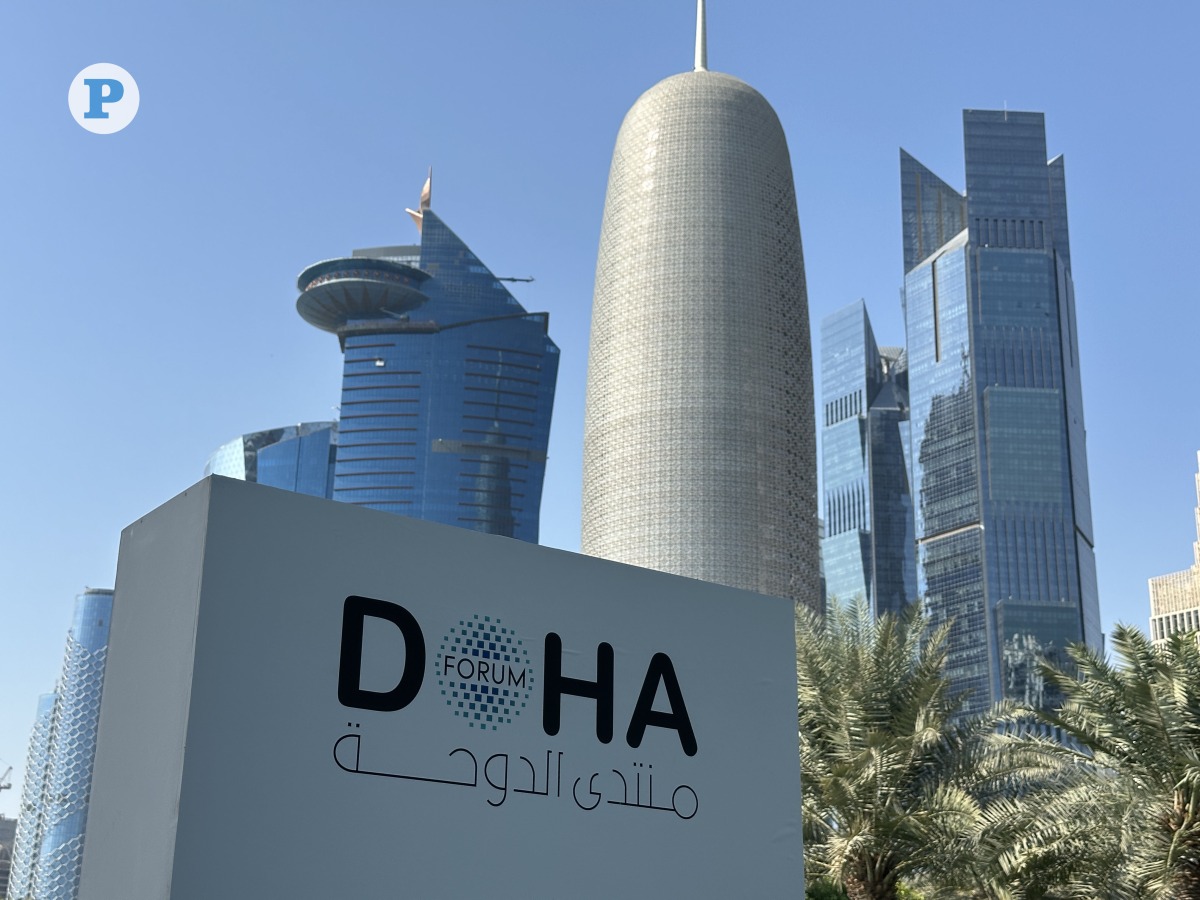

Doha, Qatar – The 23rd annual Doha Forum commenced on December 6th, bringing together global leaders to address critical international issues under the theme “Justice in Action: Beyond Promises to Progress.” The two-day event, held under the patronage of Amir H H Sheikh Tamim bin Hamad Al Thani, features discussions on geopolitics, humanitarian crises, and technological advancements. This year’s forum is particularly timely given escalating global tensions and the need for collaborative solutions.
The forum, taking place in Doha, Qatar, is expected to draw significant attention to ongoing conflicts and emerging challenges. Attendees include heads of state, policymakers, and experts from around the world, all focused on translating dialogue into tangible progress. The event aims to foster a more just and equitable global order through focused discussions and potential partnerships.
Addressing Global Challenges at the Doha Forum
The Doha Forum serves as a crucial platform for international dialogue, particularly as the world grapples with interconnected crises. According to Executive Director Mubarak Ajlan Al-Kuwari, the need for fair and collective governance has never been more pressing. The forum’s focus on the intersection of diplomacy, development, and humanitarian action reflects a growing recognition that these areas are inextricably linked.
This year’s agenda is notably ambitious, tackling complex issues such as the ongoing situation in Gaza and the responsible development of artificial intelligence. The selection of these topics underscores the forum’s commitment to addressing both immediate humanitarian needs and long-term systemic challenges. The forum also intends to explore the evolving landscape of global health financing.
Key Speakers and Participants
A diverse range of high-profile individuals are participating in the 2024 Doha Forum. These include President of Ghana John Dramani Mahama, President of the Syrian Arab Republic Ahmed Al-Sharaa, and Prime Minister and Minister of Foreign Affairs of Qatar Sheikh Mohammed bin Abdulrahman bin Jassim Al Thani.
Additionally, the forum will host former U.S. Secretary of State Hillary Clinton and Bill Gates, Chair of the Gates Foundation. The presence of these influential figures highlights the forum’s international reach and its ability to attract top-level engagement. Several other foreign ministers from nations including Lebanon, Iraq, Turkey, Spain, Nigeria, Liberia, and Greece are also in attendance.
Focus Areas and Collaborative Sessions
Several sessions are being developed in collaboration with leading think tanks and global institutions. One key discussion, organized with the International Crisis Group, will focus on “The Gaza Reckoning: Reassessing Global Responsibilities and Pathways to Peace.” This session aims to examine the roles of regional and international actors in resolving the conflict and promoting long-term stability in the region. International Crisis Group has been a long-time observer of the Israeli-Palestinian conflict.
Another session, in partnership with the Centre for International Policy Research, Konrad Adenauer Stiftung, and Gulf Research Centre, will address “Gulf-EU Relations in the Age of Strategic Isolation.” This discussion will assess the shifting geopolitical dynamics and explore opportunities for strengthened cooperation between the Gulf states and the European Union. The topic of Gulf-EU relations is gaining prominence as both regions seek to diversify their partnerships.
The Gates Foundation is also contributing to a session on “Navigating Disruptions to Global Health Financing: Strategic Partnerships to Reclaim Country Ownership.” This session will explore how new collaborations can bolster primary healthcare systems, particularly in light of recent aid cuts that threaten progress in global health. The forum will also address the risks and benefits of artificial intelligence, specifically its use in the military domain, in a session with the Jeju Peace Institute.
As the Doha Forum concludes, the focus will shift to translating the discussions into concrete actions. The success of the forum will be measured by the extent to which it fosters new partnerships and generates momentum for addressing the complex challenges facing the international community. Future developments to watch include the release of any joint statements or initiatives stemming from the discussions, and the impact of the forum on ongoing diplomatic efforts.