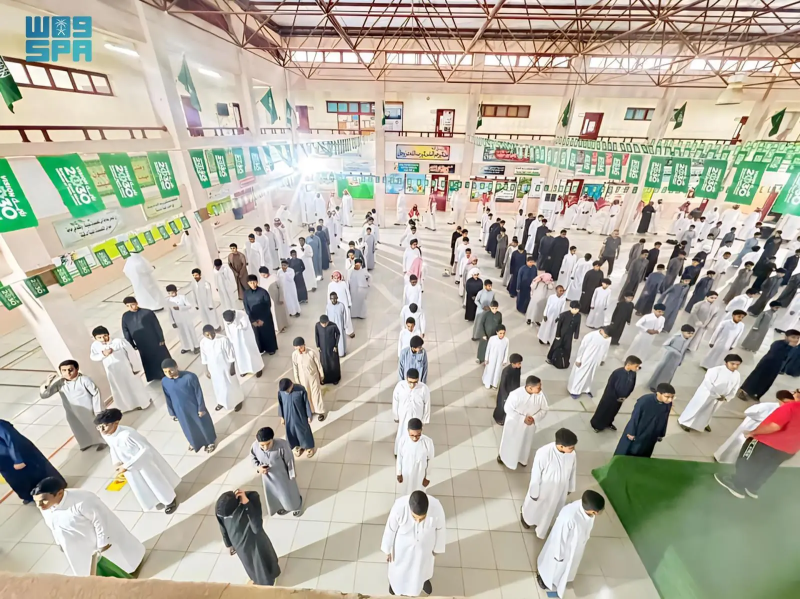

RIYADH — Over six million students across Saudi Arabia have resumed their studies as the second semester of the 1447 AH academic year commenced this week. The return to schools marks a continuation of the Kingdom’s commitment to education within a blended learning framework. Early preparations focused on optimizing the learning environment and ensuring adequate staffing levels for a successful academic period.
The nationwide return to classes began on Sunday, with education departments emphasizing the importance of student punctuality and full attendance. According to the Ministry of Education, the second semester will run until Thursday, Muharram 10, 1448 AH, encompassing 92 school days for most regions. This represents a significant portion of the academic year dedicated to continued learning and development.
Preparing for a Successful Semester in Saudi Arabian Schools
The start of the second semester follows a period of preparation by schools throughout the Kingdom. This included not only physical enhancements to school facilities but also logistical arrangements to ensure a smooth transition for students and teachers. Administrators focused on confirming the availability of qualified teaching and administrative personnel to support the educational process.
Additionally, education departments have been actively monitoring the implementation of approved study plans to maintain academic standards. This oversight is intended to guarantee consistency in curriculum delivery across different regions and schools. The Ministry of Education has stressed the importance of adhering to these plans to maximize student learning outcomes.
Adjustments for Ramadan
Recognizing the significance of the holy month of Ramadan, the Ministry of Education has implemented adjustments to the academic calendar. While most regions will observe 92 school days, certain areas subject to special arrangements will have a slightly modified schedule. These regions will have 19 weeks of study, with a reduced number of school days during Ramadan to accommodate religious observances.
Specifically, the ministry has approved only 11 school days during Ramadan. This decision reflects a sensitivity to the demands of fasting and increased religious activity during this period. The aim is to balance educational continuity with the spiritual needs of students and staff. This adjustment to the school calendar is a recurring practice in Saudi Arabia.
Focus on Student Success and Academic Performance
Education departments are actively encouraging students to prioritize attendance and punctuality. Consistent participation in classes is seen as a crucial factor in achieving academic success. The emphasis on regular attendance aligns with the Ministry of Education’s broader goals of improving overall student performance and educational attainment.
However, the Ministry also acknowledges the evolving landscape of education and the increasing importance of blended learning approaches. While traditional classroom instruction remains central, there is a growing recognition of the value of incorporating technology and online resources to enhance the learning experience. This shift is part of Saudi Arabia’s Vision 2030, which prioritizes investment in human capital and technological advancement.
The Kingdom has been steadily investing in its education system, aiming to improve the quality of teaching and learning. This includes initiatives to enhance teacher training, modernize curricula, and provide students with access to cutting-edge educational resources. These efforts are intended to prepare Saudi students for the challenges and opportunities of the 21st century.
Impact of the Academic Calendar
The 92-day semester, with adjustments for Ramadan, represents a carefully considered balance between instructional time and religious observance. The Ministry of Education’s decision-making process takes into account various factors, including the academic needs of students, the cultural context, and the logistical constraints of the school system.
In contrast to some international systems, the Saudi academic calendar is aligned with the Islamic lunar calendar. This means that the dates of school holidays and semesters can vary from year to year. Understanding these nuances is important for parents, students, and educators alike. The school year structure is designed to be responsive to the unique needs of the Saudi Arabian context.
The Ministry of Education’s commitment to providing a supportive learning environment extends beyond the classroom. Efforts are also underway to address issues such as student well-being, mental health, and access to educational resources for students with special needs. These initiatives reflect a holistic approach to schooling that prioritizes the overall development of each student.
Looking ahead, the Ministry of Education will continue to monitor the progress of the second semester and make adjustments as needed. The completion of the semester will be followed by examinations and preparations for the next academic year. The effectiveness of the Ramadan schedule adjustments will likely be evaluated to inform future calendar planning. Further developments regarding curriculum updates and educational technology integration are also anticipated.