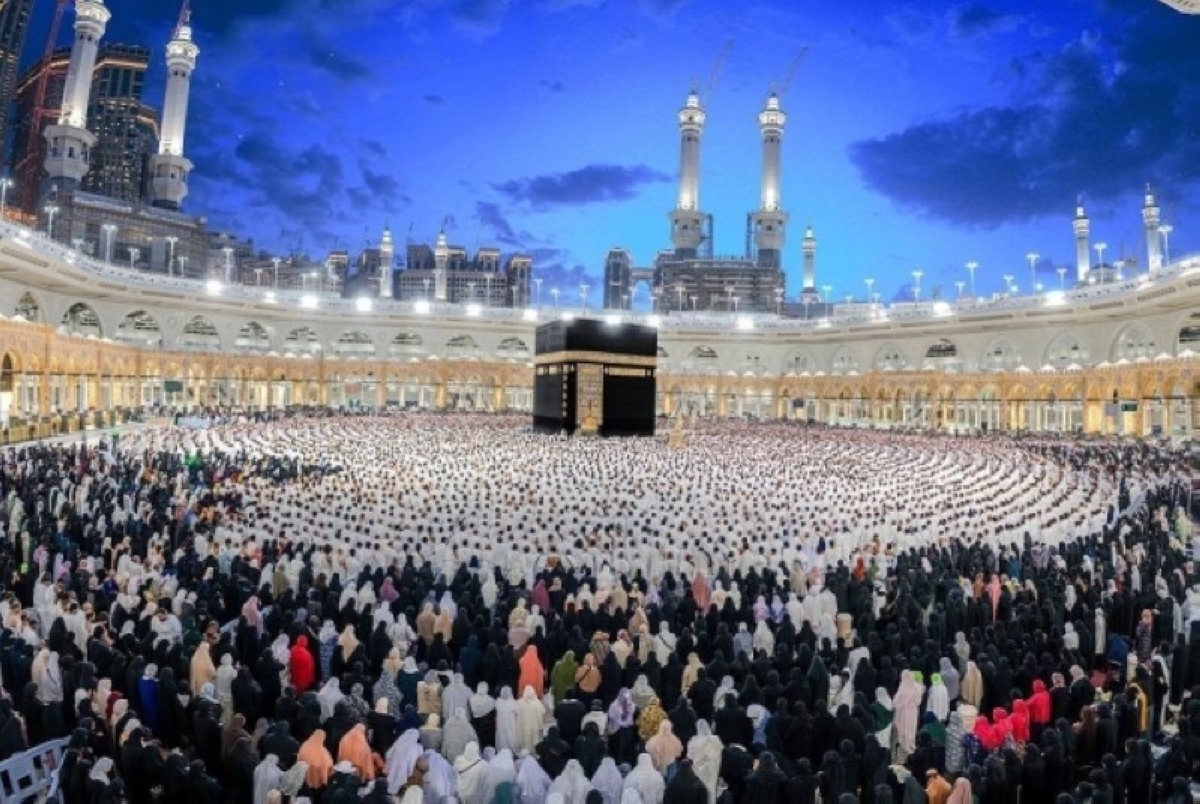

RIYADH — A recent report from the General Authority for Statistics (GASTAT) indicates that over 5.4 million Umrah pilgrims completed the religious journey during the second quarter of 2025. The data, released Thursday, details the demographics and origins of these worshippers, offering insight into the continued growth of religious tourism to Saudi Arabia. This surge in Umrah numbers highlights the Kingdom’s ongoing efforts to facilitate religious travel.
The total number of pilgrims reached 5,443,393, comprised of both residents of Saudi Arabia and international visitors. A significant majority – 61.6 percent, or 3,352,506 individuals – were male, while the remaining 38.4 percent, equaling 2,090,887 pilgrims, were female. These figures are crucial for logistical planning and resource allocation by Saudi authorities.
Understanding the 2025 Umrah Statistics
The latest statistics reveal a clear dominance of domestic pilgrims. Approximately 4.1 million pilgrims originated from within Saudi Arabia, with 2.6 million men and 1.4 million women participating. This suggests that many Saudi citizens are taking advantage of eased restrictions and improved facilities for performing Umrah.
However, the number of international pilgrims is also substantial, reaching 1,324,418. Of these, 653,513 were male and 670,905 were female, indicating a nearly equal gender distribution among foreign visitors. This influx of international visitors contributes significantly to the Saudi economy and demonstrates the Kingdom’s appeal as a spiritual destination.
Entry Points and Travel Methods
The GASTAT report detailed how foreign pilgrims arrived in the Kingdom. Air travel was the primary mode of entry, accounting for 71.6 percent of all arrivals. Land routes facilitated 28.2 percent of pilgrims, while a very small fraction, 0.2 percent, arrived by sea. These figures influence infrastructure development and transportation planning.
The reliance on air travel underscores the importance of maintaining and expanding Saudi Arabia’s airport capacity to accommodate the growing number of religious tourists. The comparatively low sea travel numbers could be attributable to logistical challenges and seasonal considerations.
Pilgrim Demographics & Regional Origins
Data concerning the composition of pilgrim groups revealed that 62.9 percent of domestic worshippers performed Umrah with their families. Conversely, 28.7 percent undertook the journey individually, suggesting a strong emphasis on communal religious experiences. The remaining 8.4 percent traveled with friends.
Geographically, the Makkah region contributed the largest proportion of domestic pilgrims, totaling 1.7 million individuals – 43.1 percent of the domestic total. The Riyadh region followed with over 600,000 pilgrims (14.6 percent), while the Northern Borders region represented a smaller segment with over 9,000 pilgrims (0.2 percent). This regional distribution impacts localized services and infrastructure demands.
The concentration of pilgrims from the Makkah region likely relates to its proximity to the holy sites, while the numbers from the Riyadh region demonstrate the reach of religious devotion throughout the Kingdom. Understanding these patterns is vital for effective crowd management and ensuring a comfortable experience for all visitors. These statistics are linked to larger trends in religious tourism within Saudi Arabia.
The Saudi government continues to invest heavily in improving the Umrah experience, expanding accommodation options, and enhancing transportation networks. The focus on easing visa procedures and offering comprehensive services has undoubtedly contributed to this increase. The country’s ‘Vision 2030’ plan also explicitly targets growing the contribution of tourism to the national economy.
These statistics serve as a valuable resource for policymakers, travel agencies, and service providers involved in the Umrah and Hajj ecosystem. The detailed data allows for a more targeted and efficient allocation of resources, improving the overall quality of the pilgrimage for those undertaking this important religious duty. The Ministry of Hajj and Umrah uses these reports to improve planning for peak seasons like Ramadan.
Looking ahead, the General Authority for Statistics is expected to release further detailed reports on Umrah statistics, potentially including data on pilgrim spending and satisfaction levels. It remains to be seen if the current upward trend will continue, especially in light of global economic and geopolitical factors. Ongoing monitoring of these data points will be essential for understanding the evolving landscape of religious travel to Saudi Arabia and for ensuring the long-term sustainability of the Umrah program.
Future reports may also shed light on the impact of ongoing infrastructure projects, such as the expansion of the Grand Mosque and the development of new transportation links, on pilgrim flows and experiences. The Kingdom’s efforts to diversify its economy through initiatives like the Visit Saudi campaign could also influence Umrah-related travel patterns.