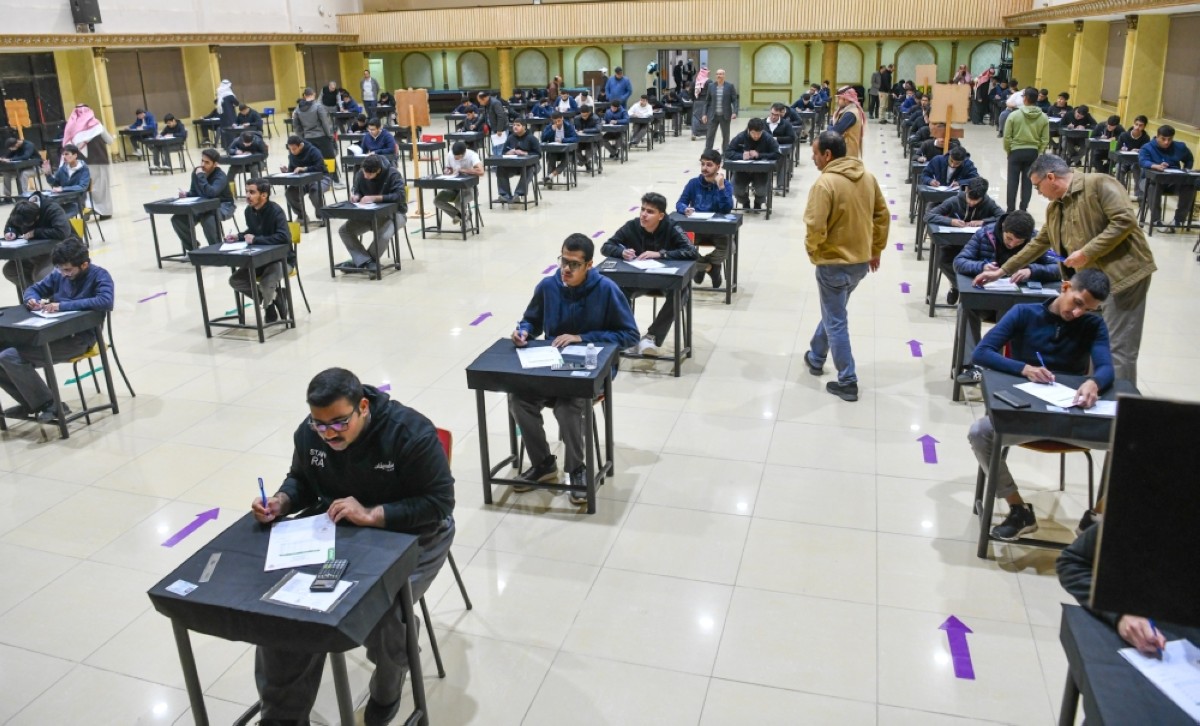

Kuwait’s Ministry of Education is employing a robust system of tracking technology and enhanced oversight to ensure the smooth, fair, and secure administration of the Grade 12 midterm examinations, currently underway across the nation. Over 33,000 students are participating in this crucial academic milestone, benefitting from preparations designed to maintain the integrity of the Kuwait exams. The initiative comes after previous concerns about exam security and aims to build confidence in the educational assessment process.
Comprehensive Preparation and Smooth Start to Kuwait Exams
The midterm Kuwait exams commenced on Sunday, with students in the science stream tackling mathematics while their counterparts in the arts stream focused on French. Initial reports from examination committees indicate orderly conditions, well-prepared halls, and full logistical support, highlighting the proactive planning undertaken by school administrations. The science stream exams will conclude on January 14th, and the arts stream on January 15th, following the ministry’s pre-approved schedule.
The Ministry of Education confirmed the completion of all organizational and security preparations. This includes ensuring all examination committees are fully equipped, both administratively and technically. Students are spread across various education districts nationwide, with careful coordination to facilitate access and maintain order. Minister of Education, Jalal Al-Tabtabaei, personally toured exam halls in the Mubarak Al-Kabeer educational district, observing the procedures and interacting with students.
Addressing Past Vulnerabilities: A Focus on Exam Security
Recent years have seen Kuwait grapple with concerns regarding exam paper leaks and breaches of security. Last year, a serious internal investigation within the Central Secure Printing Press – responsible for printing high school exams – revealed that seven employees had children scheduled to take the tests. This clear conflict of interest led to disciplinary action, including dismissals, and prompted a significant overhaul of security protocols.
The National Proctor System
In direct response to these incidents, the Ministry implemented a national proctor system. These experienced, ministry-appointed proctors monitor exam committees, oversee the secure printing facilities, and verify strict adherence to all regulations. A key requirement is a pledge of neutrality signed by each proctor, ensuring a fair and impartial assessment process. This system aims to provide an extra layer of scrutiny and accountability throughout the exam cycle.
Stricter Laws and Technological Advancements for Fair Assessments
Recognizing the need for firmer legal ground, Kuwait reinforced its commitment to exam integrity in 2025 by criminalizing cheating and the leaking of exam materials. Amendments to the Penal Code now carry penalties of imprisonment (two to seven years) and substantial fines (up to 10,000 Kuwaiti Dinars) for those involved in printing, publishing, broadcasting, selling, or leaking exam questions or answers. Altering student responses or grades without justification is also punishable under the new law.
Minister Al-Tabtabaei described this legislation as “a pivotal step in protecting fairness, transparency and credibility in student assessments.” Early indicators, as reported by Al-Rai, suggest that the increased penalties have already resulted in a reduction of cheating incidents observed during the 10th and 11th grade exams. This demonstrates the potential of legal deterrence in upholding academic standards.
Alongside legal measures, the Ministry is leveraging technology to bolster security. This year, 217 buses equipped with electronic tracking systems were deployed to ensure the secure transportation of exam papers in close coordination with the Ministry of Interior. A team of 215 national proctors is overseeing 176 examination committees on the ground, with continuous monitoring via daily reports submitted to the inspection and audit office.
Minister’s Encouragement and Support Resources
During his tour, Minister Al-Tabtabaei emphasized the significance of the exams as “the culmination of an educational journey that extended over years of effort and perseverance.” He expressed confidence in students’ ability to navigate this challenging phase with responsibility and focused determination. His remarks also included praise for the unwavering support of parents and the dedicated efforts of teachers, acknowledging their crucial role in students’ successes.
The Ministry of Education is committed to providing students with access to official learning resources, including a comprehensive digital library, available through its website and mobile application. They strongly urge students to rely on these verified materials and to meticulously adhere to all exam regulations to guarantee a fair and uncompromised assessment environment. This focus on legitimate study tools is particularly important in light of the past issues with unauthorized sharing of exam content and broader concerns about educational integrity. Maintaining a level playing field and upholding the value of hard work are paramount to the Ministry’s goals.
The implementation of these measures reflects Kuwait’s serious commitment to a robust and trustworthy examination process. By combining enhanced security protocols, stricter legal frameworks, and technological innovation, the Ministry of Education is striving to create a learning environment where academic achievement is truly earned and celebrated. Continued monitoring and adaptation will be crucial to addressing emerging challenges and further safeguarding the future of education in Kuwait.