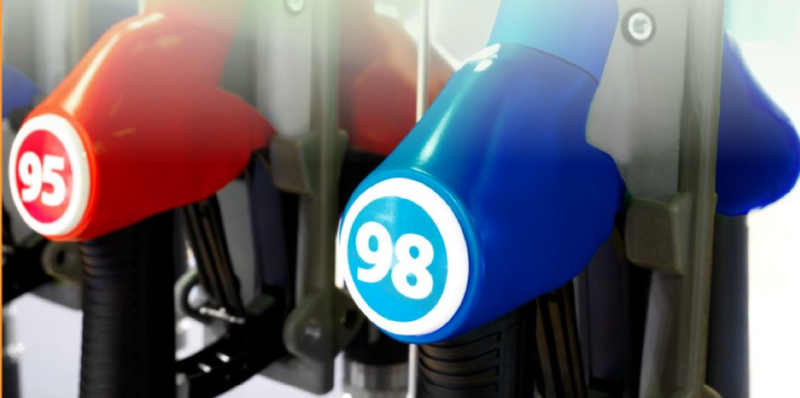

Saudi Arabia is expanding access to premium fuel, with over 130 fuel stations now offering 98-octane gasoline across Riyadh, Jeddah, and the Eastern Province. This increased availability, detailed in a new report by Saudi Fuel, a subsidiary of Saudi Aramco, aims to cater to vehicle owners seeking enhanced engine performance and efficiency. The rollout began recently and continues to expand throughout key urban centers and along major transportation routes.
The initiative, dubbed “The Stations List,” provides a comprehensive overview of locations currently supplying the higher fuel grade. According to the report, the expansion reflects a growing demand for premium fuel options within the Kingdom and a commitment to modernizing the nation’s fuel infrastructure. This development comes as Saudi Arabia continues to diversify its energy offerings and align with international fuel standards.
Expanding 98-Octane Gasoline Availability Across Saudi Arabia
Riyadh currently boasts the most extensive coverage of 98-octane gasoline access is part of a broader trend towards higher-quality fuels in Saudi Arabia. The Kingdom has been investing in refining capabilities to produce cleaner-burning fuels and meet increasingly stringent environmental regulations. This aligns with the nation’s Vision 2030 goals, which prioritize sustainability and economic diversification.
Additionally, the availability of higher-octane fuel caters to a growing segment of vehicle owners with modern engines designed to benefit from its performance-enhancing properties. These engines often require premium fuel to achieve optimal efficiency and prevent engine knocking. The report indicates that demand for premium fuel has been steadily increasing in recent years, prompting the expansion.
While the current rollout focuses on major cities and transport corridors, Saudi Fuel has not specified a timeline for nationwide availability of 98-octane gasoline. The company is likely monitoring demand and logistical considerations as it plans further expansion. The success of the current phase will likely influence the speed and scope of future deployments.
Looking ahead, industry analysts suggest that further expansion will depend on refining capacity and infrastructure investments. The Ministry of Energy is expected to announce future plans regarding fuel standards and availability in the coming months. Consumers should continue to monitor updates from Saudi Fuel and relevant government agencies for the latest information on 98-octane gasoline distribution and potential price adjustments.
The long-term impact of this initiative on vehicle performance, fuel consumption, and environmental sustainability remains to be seen, and will require ongoing monitoring and evaluation.