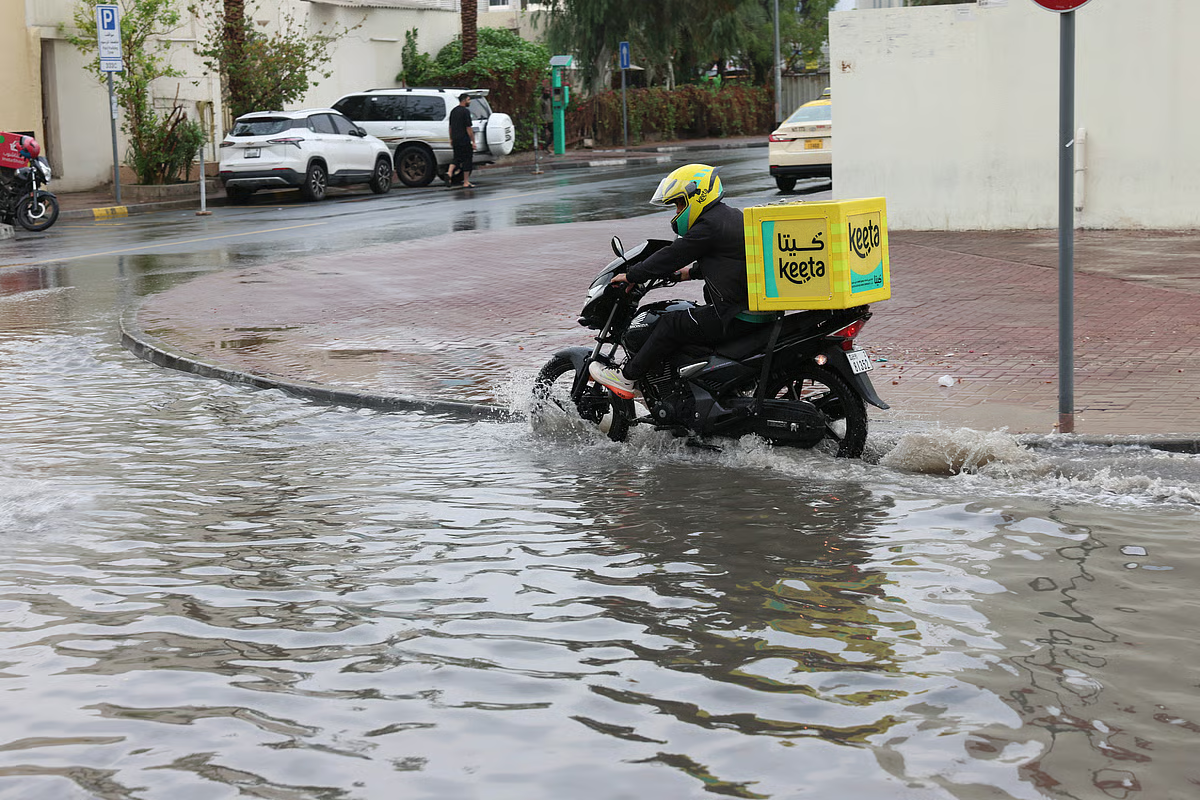

Several food delivery companies operating in the United Arab Emirates have temporarily paused or reduced services in certain areas due to severe weather conditions. The disruption comes as the country experiences the peak effects of the Al Bashayer low-pressure system, bringing heavy rainfall, strong winds, and rough seas to regions including Sharjah, Ras Al Khaimah, and increasingly, Abu Dhabi and Dubai. These measures prioritize the safety of delivery personnel amid hazardous travel conditions.
The National Centre of Meteorology (NCM) has issued warnings about scattered thunderstorms, potential hail, and reduced visibility caused by dust and sandstorms. These challenging conditions pose significant risks, particularly to riders relying on two-wheeled vehicles for deliveries. Emergency services are on high alert, and residents have been advised to take precautions.
Impact on Food Delivery Services and Rider Safety
Food delivery companies have implemented safety protocols based on real-time weather and road safety data. This dynamic approach involves suspending operations in areas deemed unsafe to avoid jeopardizing the well-being of their riders. Customers in affected locations are receiving notifications about delays or service interruptions through the respective apps.
Talabat, a leading delivery service in the region, emphasized its commitment to safety. Constantin Kodsi, Director of Logistics at Talabat, stated the company prioritizes the safety of riders and the community through robust protocols, continuous monitoring and clear communication, including pausing deliveries when necessary.
Careem echoed this sentiment, outlining a similar strategy of close collaboration with regulators and a location-specific approach to service availability. Crucially, Careem confirmed that riders have the flexibility to decline deliveries if they feel conditions are unsafe and are not penalized for doing so. The company also offers advanced warnings and safety guidance to its “Captains”, as they call their drivers.
RTA’s Response to Flooding and Traffic
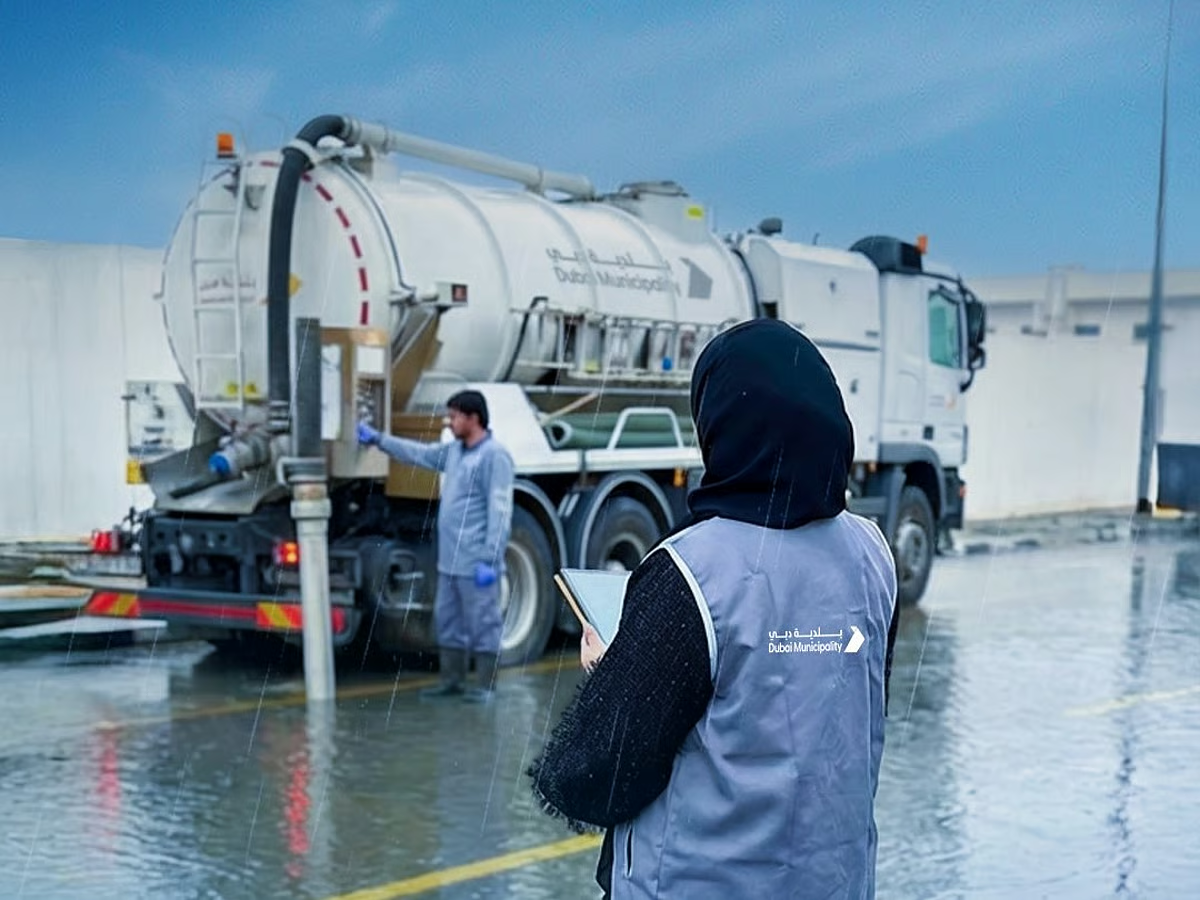
The Roads and Transport Authority (RTA) in Dubai has activated round-the-clock monitoring and deployed field teams to manage traffic flow and address potential flooding. Emergency and crisis teams are coordinating efforts from a joint Flood Management Room to quickly respond to water accumulation and ensure the continued operation of the road network.
The RTA’s proactive measures are focused on mitigating disruption and ensuring public safety. Field teams are strategically positioned to provide immediate assistance in areas prone to waterlogging. These teams are also working to clear roadways of debris and hazards to maintain passable conditions.
Beyond the immediate impact on food delivery and transportation, the adverse weather is influencing other sectors. Outdoor events have been canceled or postponed, and authorities are urging residents to limit unnecessary travel. Aviation may also experience disruptions, as similar weather patterns affect regional flight routes.
Broader Context of Extreme Weather in the UAE
While the UAE is accustomed to hot and arid conditions, extreme weather events are becoming more frequent and intense. Climate change is believed to be a contributing factor, altering regional weather patterns and increasing the likelihood of heavy rainfall and flash floods. Infrastructure projects aimed at improving drainage and flood defenses are underway, but the recent weather serves as a reminder of the country’s vulnerability.
The current weather system is unusual for this time of year, adding to the challenges faced by authorities and residents. Typically, the UAE experiences milder weather during the winter months. However, the Al Bashayer low-pressure system has brought atypical conditions, requiring swift and decisive action from various stakeholders.
This situation also prompts consideration around logistics and the gig economy, where workers often bear the brunt of weather-related risks. The dynamic approach taken by companies like Talabat and Careem, prioritizing rider safety through suspension of services, is a positive step. However, continued evaluation of safety measures and potential compensation for lost income during disruptions may be necessary.
Authorities are continuing to monitor the situation closely, with the weather outlook remaining uncertain for the coming days. Further rainfall and strong winds are anticipated, and residents should stay informed about the latest updates from the NCM and local authorities. The RTA will continue its 24/7 monitoring efforts, and the public should expect potential travel disruptions and be prepared to adjust plans accordingly.