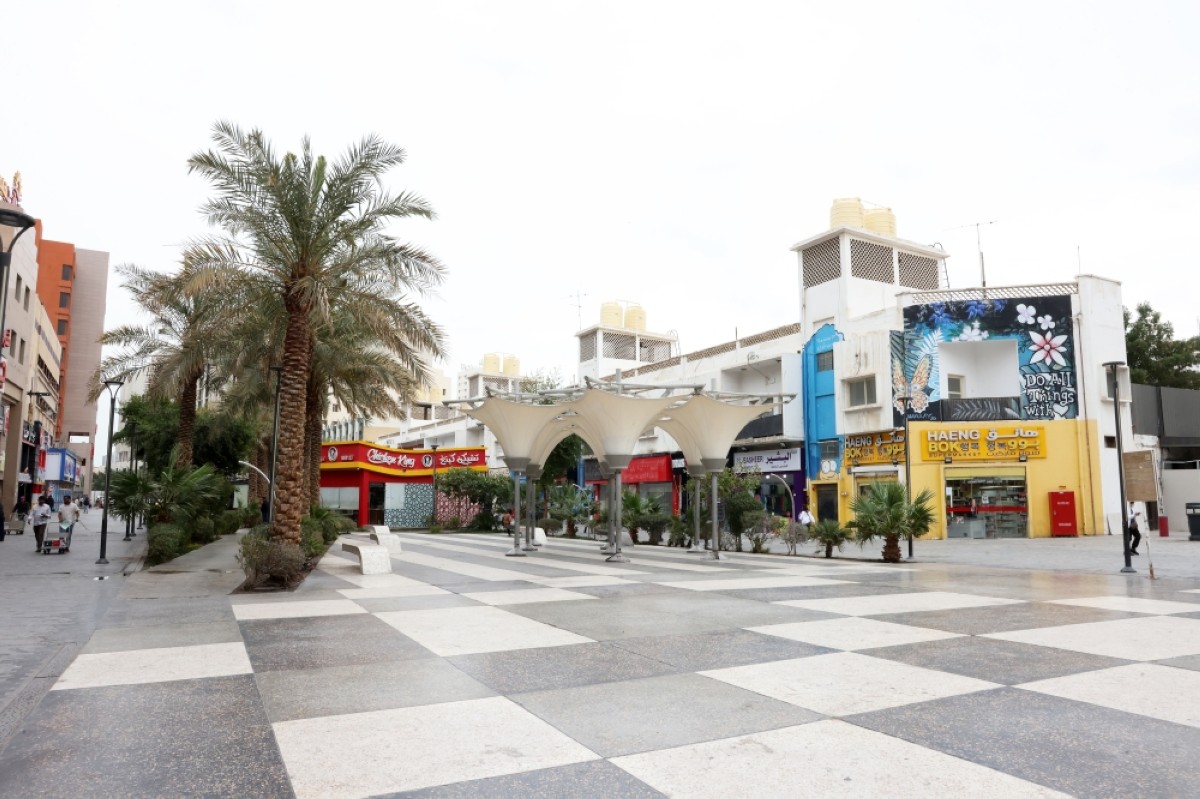

A recent wave of change is sweeping through Barayeh Salem in Salmiya, Kuwait, as the Municipality moves to remove kiosks and close shops. This decision, intended to revitalize the area, has sparked a heated debate, with supporters welcoming the potential for restoration and critics voicing fears that the move will erase cherished memories and disrupt the livelihoods of many. The future of this iconic Kuwaiti location, often referred to as “Little Manila,” hangs in the balance, prompting questions about cultural preservation and urban development.
The Push for Revitalization in Barayeh Salem
The Kuwait Municipality’s decision stems from a desire to restore Barayeh Salem to its former glory. Many long-time residents recall a period in the 1990s when the area boasted luxury car showrooms, high-end fashion boutiques, and well-known international brands. Over time, however, the area’s appearance and cleanliness declined, leading to a perceived loss of its original Kuwaiti identity.
Citizen Bibi, a vocal supporter of the changes, expressed her hope that the renovations will bring back the area’s original character. “It had begun to feel like another country,” she stated, emphasizing the need for a return to the standards she remembers from her youth. The government’s recent investment in the area’s infrastructure further fuels the belief that a positive transformation is possible. This push for Barayeh Salem redevelopment is seen by some as a necessary step to reclaim a valuable public space.
A Clash of Cultures: “Little Manila” and Kuwaiti Identity
The nickname “Little Manila” is a testament to the vibrant Filipino community that has flourished in Barayeh Salem for years. The area has become a hub for Filipino businesses, restaurants, and cultural gatherings, offering a taste of home for many expatriates. However, this multicultural aspect has become a point of contention.
Fatima Humaidan argues that the area’s transformation into a global space should be celebrated, not condemned. She points to similar ethnic enclaves found in cities around the world, highlighting the positive contributions of cultural diversity. “Many countries around the world include Asian, Chinese and Filipino neighborhoods,” she said. “Cultural diversity is both positive and desirable.”
This perspective clashes with those who believe the area’s unique character has been diluted, and that the Salmiya shops closure is a necessary correction. The debate underscores the complexities of balancing cultural preservation with the realities of a modern, multicultural society.
The Human Cost of Change: Livelihoods at Risk
While some welcome the potential for a more organized and aesthetically pleasing Barayeh Salem, the immediate impact on business owners and employees is causing significant distress. The sudden eviction notices, often with minimal notice, have left many facing an uncertain future.
One Filipino restaurant owner, who wished to remain anonymous, described the devastating impact of the decision. She had invested heavily in her business, fulfilling a long-held dream, only to be informed she had just one week to vacate. “I’m losing everything,” she lamented. “What will happen to the employees? I have not been compensated.” Her sponsor has reportedly filed a legal complaint, arguing that rent payments are current and the business should be allowed to continue operating.
The fear extends beyond business owners. Employees are worried about job security and the potential for their residency permits to be affected. Another Filipino employee shared that she had been told to stay home until the situation became clearer, with all operations suspended. This uncertainty is creating a climate of anxiety and desperation within the community. The impact on expatriate businesses in Kuwait is a major concern.
Concerns Beyond Barayeh Salem
The closures in Barayeh Salem are also raising broader concerns about the preservation of Kuwait’s historical and social spaces. Suad Ali strongly opposed the decision, arguing that it represents a pattern of erasing memories and undermining social identity.
She drew parallels to the closure of Souq Sharq, a popular shopping destination, and expressed fears that the old Salmiya market could be next. “The government is shutting down all places with memories,” she said, warning that such decisions risk wiping out the community’s collective memory. Joy Anne, a frequent visitor, echoed this sentiment, emphasizing the area’s importance as a vibrant and affordable destination for families and young people.
An Egyptian employee at a well-known restaurant, which first opened a branch in Barayeh Salem, revealed that rumors of a management change had been circulating for two months. While the company has other locations, he emphasized the significance of the original branch. “This was the first branch, and it means a lot to us to leave this place. This is the place that made everything else happen,” he said.
Navigating the Future of Barayeh Salem
The situation in Barayeh Salem is a complex one, with valid arguments on both sides. While the desire for revitalization and a return to a perceived former glory is understandable, the human cost of such changes cannot be ignored.
The Municipality’s decision highlights the need for a more nuanced approach to urban development, one that prioritizes both modernization and the preservation of cultural identity and community livelihoods. Open dialogue between government officials, business owners, and residents is crucial to finding a solution that benefits all stakeholders. Ultimately, the future of Barayeh Salem will depend on a commitment to balancing progress with respect for the past and the people who have made it a unique and vibrant part of Kuwaiti society.
What steps do you think the Kuwait Municipality should take to address the concerns of business owners and residents? Share your thoughts in the comments below.