
JEDDAH — The National Center for Meteorology (NCM) in Saudi Arabia has issued an orange weather alert for multiple regions, forecasting periods of rainfall ranging from moderate to heavy intensity. The warnings, effective Sunday, cover areas in the Tabuk, Madinah, Eastern Province, and Makkah regions, urging residents to prepare for potential disruptions. The alerts follow a period of significant precipitation and fluctuating temperatures experienced across the Kingdom.
The affected areas and timings include Al Wajh and Umluj in Tabuk (6 a.m. to 8 p.m.), Yanbu, Al-Rais, and Al-Hanakiyah in Madinah (7 a.m. to 8 p.m.), with AlUla and Khaybar remaining under alert until 9 p.m. The Eastern Province faces possible impacts from 11 a.m. to 8 p.m. in Al-Ahsa, Al-Adeed, and Buqayq. Finally, in the Makkah region, Al Khurma, Al Moya, Turbah and Ranyah are expected to be affected from 1 p.m. to 8 p.m., while Al Jumum will be under warning from 8 a.m. to 9 p.m.
Understanding the Scope of the Rainfall Warnings
The NCM’s orange alert signifies a heightened potential for hazardous weather conditions. Specifically, the agency warns that these conditions will likely involve moderate to heavy rainfall coupled with strong winds, leading to reduced visibility. Residents in the designated areas are advised to exercise caution and take necessary precautions to ensure their safety.
Recent Weather Patterns in Saudi Arabia
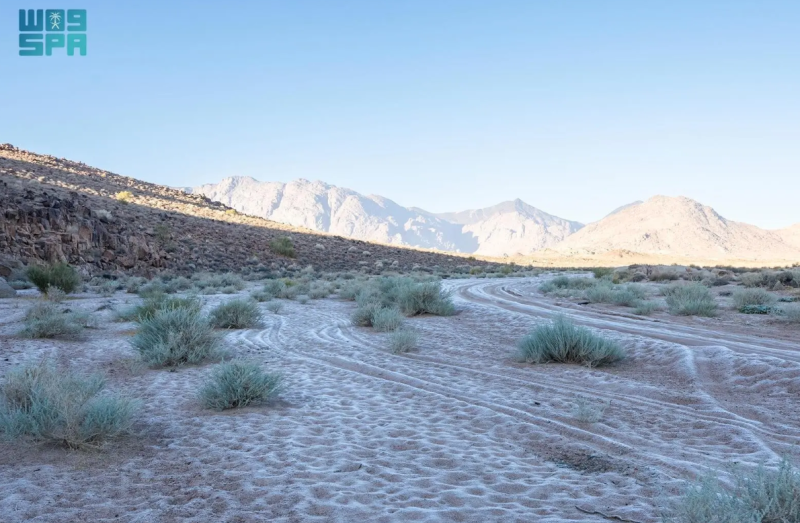
The current warnings build on a pattern of unstable weather seen recently across Saudi Arabia. Cooler temperatures and increased precipitation have been observed throughout much of the country over the past several weeks, including noticeable cold snaps in Riyadh, Tabuk and the Northern Borders regions. These changes represent a departure from the typically arid climate, raising concerns about flash flood risks.
According to the NCM’s established system, weather alerts are tiered: yellow represents normal precautions, orange indicates potential danger and requires heightened awareness, and red signifies a high likelihood of severe impact, particularly the risk of flooding. The escalation to orange alerts in multiple regions indicates a significant shift in weather forecasts and potential for disruption.
The precise amount of rainfall expected varies by location, although the NCM consistently emphasizes the potential for heavy downpours within the warned regions. This is particularly concerning in areas not well-equipped to handle increased water volume, and those prone to wadi flash floods.
Additionally, the strong winds accompanying the systems contribute to the hazards, potentially causing dust storms and making driving conditions treacherous. The combination of reduced visibility from rain and wind-blown sand necessitates extra caution on roadways.
Impacts and Preparedness
The anticipated rainfall poses several potential challenges. Transportation networks could experience delays or closures due to flooding or poor visibility. Infrastructure, particularly in older or less-developed areas, may be vulnerable to damage from heavy rain and runoff.
Local authorities are preparing for potential emergencies, according to reports from the Saudi Press Agency. This involves deploying personnel to monitor at-risk areas, clearing drainage systems, and coordinating with civil defense teams to respond to any incidents. Residents are urged to cooperate with authorities and heed any evacuation notices issued.
The national meteorology center stresses the importance of staying informed through official channels. This includes monitoring the NCM website and social media accounts for the latest updates and avoiding areas prone to flooding. Sharing accurate information and being aware of the changing conditions can significantly contribute to personal and community safety.
The recent climatic shifts also highlight the increased importance of climate resilience planning in the Kingdom. These events contribute to ongoing discussions regarding water management and the implementation of infrastructure designed to withstand more extreme weather conditions. Long-term strategies appear crucial to mitigate the effects of potentially increasing weather variability.
In contrast to the generally arid climate, these periods of intense precipitation may also have positive impacts, such as replenishing groundwater supplies and benefiting agricultural areas. However, the risk of damage and disruption needs to be carefully managed.
The broader context of unusual weather events in the region remains under study. Meteorological experts are investigating whether these occurrences are linked to larger global climate patterns. While establishing definitive connections requires ongoing research, the situation underscores the need for adaptive strategies.
Looking ahead, the NCM is continually analyzing weather data and will provide updated forecasts as the situation evolves. The duration of the orange alerts and the possibility of escalation to red alerts in specific locations are subject to change depending on the actual amount of rainfall received and the observed intensity of the associated systems. Residents are advised to remain vigilant and check for updates regularly, potentially as early as Monday morning depending on the development of the weather system.