
The 2026 Sundance Film Festival is showcasing powerful stories of displacement and loss, with two documentaries, “One In A Million” and “Closure,” drawing significant attention for their intimate portrayals of human resilience. “One In A Million” follows the decade-long journey of Isra’a, a Syrian girl who fled Aleppo with her family during the 2015 civil war, and their experiences navigating a new life in Europe. The festival, a key event for independent film, runs until February 1st.
Documentary “One In A Million” Highlights Syrian Refugee Experience
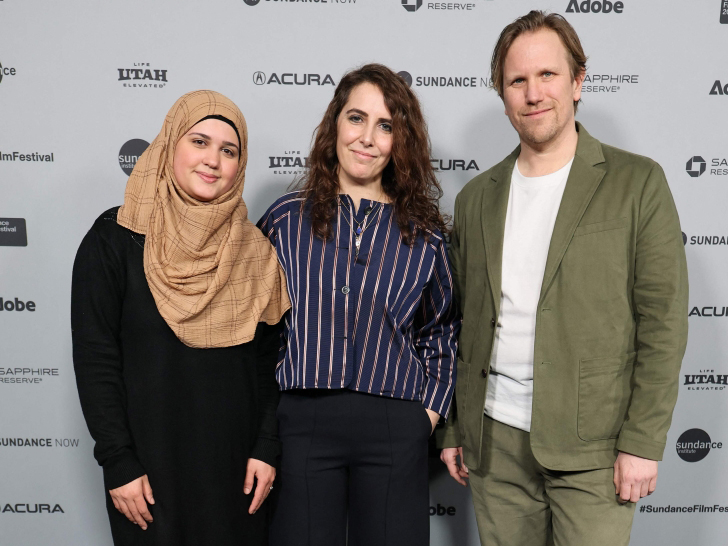
Directors Itab Azzam and Jack MacInnes began filming Isra’a’s story in 2015 in Turkiye, as millions of Syrians sought refuge from the escalating conflict. They continued to document her life as she and her family traveled through Europe, ultimately settling in Germany. The film doesn’t shy away from the complexities of this transition, exploring the challenges faced by refugees and the tensions that can arise within families adapting to new freedoms and cultural norms.
The filmmakers emphasized that Isra’a’s story, while personal, resonated with the broader experience of Syrian refugees. MacInnes noted that Isra’a embodied both the vulnerability and the agency of those forced to leave their homes. The documentary blends observational footage with direct interviews, revealing Isra’a’s evolving perspectives on her new home, her faith, and her relationship with her father.
Isra’a, now a married mother, described watching the film at the Sundance premiere as a “beautiful” experience. She also shared that being filmed throughout her childhood had unexpected benefits, making it easier to form friendships.
Exploring Family Dynamics and Integration
A central theme of “One In A Million” is the changing dynamic between Isra’a and her father as they adjust to life in Germany. The film portrays his struggle to reconcile traditional values with the freedoms available in Europe, creating a poignant narrative about intergenerational differences and the pressures of refugee resettlement. The documentary offers a nuanced look at the emotional toll of displacement and the difficulties of building a new life.
Meanwhile, another documentary at Sundance, “Closure,” tackles a different kind of loss. Director Michal Marczak’s film centers on Daniel, a father’s relentless search for his son, Chris, who disappeared near Poland’s Vistula River.
Over a year, the film documents Daniel’s exhaustive efforts, utilizing boats, drones, and manual searches of the riverbed. The river itself serves as a powerful metaphor for Daniel’s grief and the uncertainty surrounding his son’s fate. The film also explores the impact of Chris’s disappearance on his mother, Agnieszka, and her fragile hope for his return.
Daniel’s search unexpectedly expands as he connects with another father who has lost a child, ultimately assisting in the recovery of her body. This secondary storyline highlights the shared pain of loss and the power of community support. Marczak explained that the project began organically after he encountered Daniel while on a rafting trip and was deeply moved by his story. The film also touches upon the role of technology and social media in modern searches for missing persons, a related missing persons investigation.
Both “One In A Million” and “Closure” offer compelling and emotionally resonant narratives that are likely to spark conversation and debate. The Sundance Film Festival provides a platform for these important stories to reach a wider audience.
The festival continues through February 1st, with further screenings and discussions anticipated. Industry observers are watching for potential distribution deals for both films, which could bring these powerful stories to a broader international audience. The long-term impact of these documentaries on public understanding of the refugee experience and the grieving process remains to be seen.