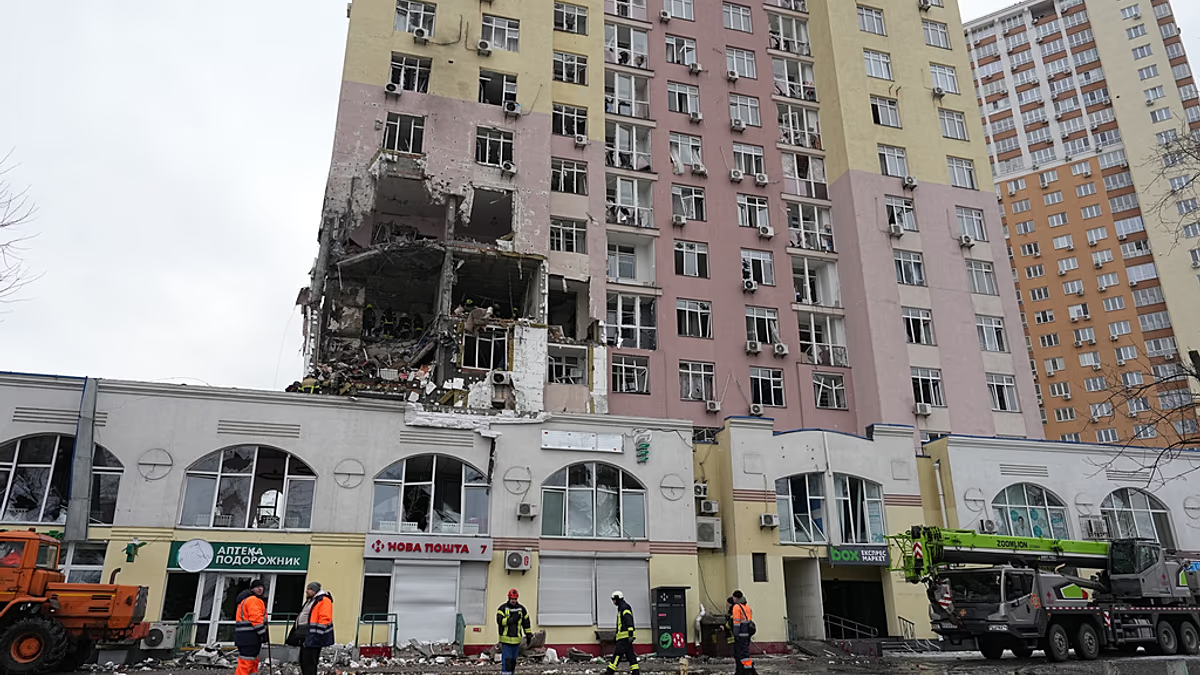

Kyiv, Ukraine, faced a large-scale Russian aerial assault on Saturday, resulting in at least one confirmed fatality and dozens of injuries. The Kyiv attack, utilizing missiles and drones, targeted both industrial and residential areas, causing widespread damage and power outages. This escalation in hostilities comes just before Ukrainian President Volodymyr Zelenskyy is scheduled to meet with former U.S. President Donald Trump in Florida to discuss the ongoing conflict and potential paths toward peace.
The assault, which lasted approximately ten hours, impacted several districts of the capital city. According to Ukrainian officials, over 4,000 residential buildings lost electricity, representing roughly one-third of Kyiv. Emergency services are actively working to evacuate residents from damaged and collapsed structures, with reports indicating at least ten residential buildings sustained direct hits.
Massive Russian Attack on Kyiv Intensifies Conflict
Ukrainian President Zelenskyy stated that Russia launched nearly 500 drones and 40 missiles of various types during the attack, primarily targeting energy infrastructure and civilian areas. The strikes have left some regions without electricity or heating, exacerbating the challenges faced by civilians during the winter months. The intensity of the assault underscores the continued reliance on aerial bombardment as a key tactic in the Russia-Ukraine war.
Damage and Casualties Reported
A fire erupted in an 18-story residential building in the Dnipro district, and another in a 24-story building in the Darnytsia district, requiring extensive firefighting efforts. Interior Minister Ihor Klymenko reported that at least 22 people were injured, including two children. The discovery of a body under the rubble of a damaged building brought the confirmed death toll to one, though authorities anticipate this number may rise as rescue operations continue.
Zelenskyy criticized Russia’s actions, noting the contrast between diplomatic rhetoric and continued military aggression. He questioned the sincerity of Russian negotiations, stating, “Russian representatives hold long talks; in reality, the ‘Kinzal’ (missiles) and ‘Shaheds’ (drones) speak for them.” This statement highlights the Ukrainian government’s skepticism regarding Russia’s commitment to a peaceful resolution.
The timing of the Kyiv attack is particularly significant, occurring on the eve of Zelenskyy’s meeting with Trump. Zelenskyy has indicated that discussions will focus on security guarantees and the future of territories in the Donetsk and Zaporizhzhia regions. He recently suggested Ukraine might consider withdrawing troops from the eastern industrial heartland if Russia reciprocates and the area is demilitarized under international supervision. However, Russia has yet to signal any willingness to relinquish occupied territory.
Meanwhile, international observers are closely monitoring the situation, assessing the potential impact of the meeting between Zelenskyy and Trump on the trajectory of the conflict. The United States continues to provide significant security assistance to Ukraine, but the long-term outlook for the war remains uncertain. The recent escalation in attacks suggests Russia is not inclined to de-escalate despite ongoing diplomatic efforts.
The situation in Kyiv remains fluid as rescue and recovery efforts continue. The upcoming meeting between Zelenskyy and Trump represents a crucial opportunity to explore potential avenues for de-escalation and a lasting peace, but the latest Kyiv attack underscores the significant challenges that lie ahead. Further developments are expected in the coming days as the international community assesses the implications of this latest escalation and the outcome of the planned discussions in Florida.