








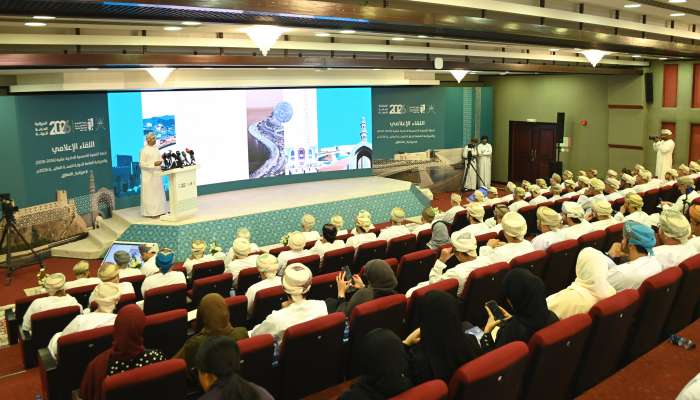

The Sultanate of Oman is strategically positioning itself for continued growth and stability with the announcement of its 2026 General Budget. This budget, estimated at OMR 11.977 billion, represents a modest but significant increase in Oman’s budget 2026 compared to the previous year, signaling a commitment to both maintaining essential public services and driving forward national development initiatives. The financial plan reflects Oman’s careful approach to economic planning and its reliance on, yet diversification away from, oil revenue. This article delves into the key aspects of Oman’s upcoming fiscal year, examining projected revenues, spending priorities, and the overall economic outlook.
Understanding Oman’s Budget 2026: Key Figures and Projections
The core of Oman’s budget 2026 lies in its anticipated financial inflows and outflows. Total public spending is projected to reach OMR 11.977 billion, a 1.5 percent increase over the approved spending for 2025. This incremental rise indicates a commitment to fiscal discipline while still allowing for necessary investments in key sectors. Revenue projections are equally important, estimating a total of OMR 11.447 billion. This represents a 2.4 percent increase from the 2025 revenue estimate.
Oil Price Assumptions and Revenue Diversification
A crucial factor underpinning the revenue forecast is the assumed average oil price of $60 per barrel. This relatively conservative estimate demonstrates Oman’s cautious outlook on global oil markets. However, it’s important to note that Oman is actively pursuing strategies for economic diversification to reduce its dependence on hydrocarbon revenues and build a more resilient economy. Initiatives in tourism, logistics, and manufacturing are all intended to broaden the revenue base.
The slight gap between projected revenue and expenditure suggests Oman may utilize reserves or seek additional financing options to cover the difference. Managing this fiscal balance will be central to ensuring long-term economic health.
Priorities in Public Spending for 2026
The allocation of funds within Oman’s budget 2026 provides clear insight into the government’s priorities for the coming year. A substantial portion of the budget will undoubtedly be dedicated to sustaining essential public services, including healthcare, education, and infrastructure. These sectors are critical for improving the quality of life for citizens and fostering human capital development.
Beyond maintaining existing services, the budget also emphasizes support for economic stability. This includes measures to address potential inflationary pressures, promote job creation, and encourage private sector investment. Specifically, funding is expected to support initiatives outlined in Oman Vision 2040, a comprehensive national strategy for long-term sustainable development.
Focus on National Development Projects
A key aspect of the 2026 budget is the continued commitment to national development projects. These projects are designed to enhance Oman’s infrastructure, promote economic growth, and improve its global competitiveness. Likely areas of investment include the Duqm Special Economic Zone, which is a cornerstone of Oman’s diversification strategy, and further development of ports and transportation networks. Furthermore, investment in renewable energy sources will likely continue to grow, aligning with global sustainability goals.
The government also intends to strengthen social safety nets to protect vulnerable segments of the population. This reflects a broader commitment to inclusive growth and ensuring that the benefits of economic development are shared by all.
The Economic Outlook for Oman in 2026
Oman’s budget 2026 is indicative of a cautiously optimistic economic outlook. While the reliance on oil revenue remains, the proactive steps towards diversification aim to create a more stable and diversified economy. Strategic investments in sectors like tourism and logistics are expected to contribute meaningfully to GDP growth and employment generation.
The international economic environment, including global growth rates and geopolitical factors, will naturally influence Oman’s performance. The government is likely monitoring these developments closely and has built some flexibility into the budget to respond to unforeseen challenges. Sound financial management and a commitment to structural reforms are vital for sustaining growth and improving the long-term economic prospects of the Sultanate.
Additionally, Oman’s recent efforts to attract foreign direct investment (FDI) are expected to yield positive results, further contributing to economic diversification and growth. This continued focus on attracting capital will support the development of key industries and create opportunities for local businesses.
Ultimately, Oman’s budget 2026 is a carefully crafted plan designed to balance immediate needs with long-term strategic goals. It demonstrates the government’s commitment to responsible fiscal management, sustainable development, and improving the lives of its citizens. Staying informed about the implementation of this budget and its impact on the Omani economy will be crucial for investors, businesses, and policymakers alike. To learn more about Oman’s economic strategy, visit the Ministry of Finance website or explore reports on Oman Vision 2040.

