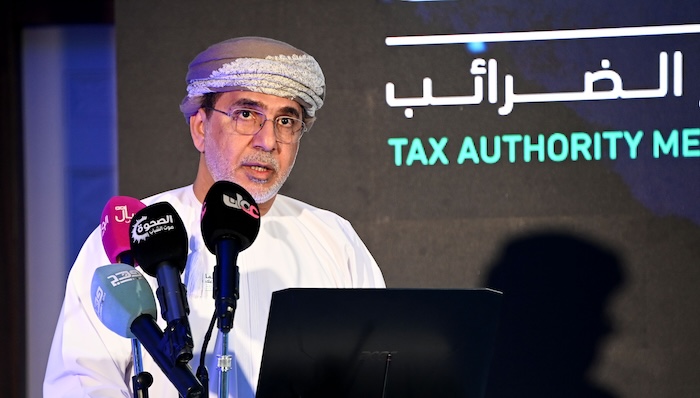

Oman’s Tax Authority has announced a successful year, exceeding revenue targets for 2025 and demonstrating a strong commitment to international tax standards. During its inaugural media briefing held in Muscat, the authority confirmed it has met its revenue estimates of approximately RO 1.373 billion for the Administrative Units of the State within the General State Budget. This achievement underscores the vital role of taxation in Oman’s financial stability and future development.
Oman Tax Authority Achieves 2025 Revenue Targets
Nasser Khamis Al Jashmi, Chairman of the Tax Authority, emphasized the fundamental importance of taxes. He stated they are not merely a revenue source, but a crucial pillar of financial sustainability and a fair mechanism for funding essential public services, supporting comprehensive development initiatives, and bolstering the nation’s resilience against global economic fluctuations. The positive results reflect a growing trend of tax compliance within the Sultanate.
International Recognition of Oman’s Tax Transparency
A significant highlight of the briefing was Oman’s recent upgrade to “Largely Compliant” in the assessment of tax transparency and information exchange. This advancement signifies the country’s dedication to adhering to international standards in tax matters, fostering trust and collaboration within the global financial community. This commitment is vital for attracting foreign investment and maintaining a stable economic environment.
Growth in Tax Returns and Registrations
The Tax Authority reported a substantial increase in tax return submissions for 2025, reaching 353,000 – a remarkable 37 percent growth compared to the previous year. This surge is attributed to improved voluntary compliance, the effectiveness of ongoing awareness campaigns, and continuous improvements to the tax system itself. This positive trend indicates a growing understanding and acceptance of the importance of fulfilling tax obligations.
Furthermore, the number of registrants across various tax categories has seen significant growth. Income Tax registrants increased by 88 percent, VAT registrants by 120 percent, and Excise Tax registrants by an impressive 222 percent compared to 2021. These figures demonstrate the expanding tax base and the effectiveness of the Authority’s outreach efforts.
VAT Refund for Tourists and Future System Enhancements
Responding to questions from journalists, Chairman Al Jashmi announced the upcoming implementation of a Value Added Tax (VAT) refund service for tourists. This initiative, currently in the final stages of agreement with service providers, will address cost and percentage considerations, aiming to enhance the tourism experience and attract more visitors to Oman.
The Authority is also focused on modernizing its systems. Plans include the implementation of electronic invoicing, a distinctive mark system to combat counterfeiting, a robust tax risk management system, and the integration of artificial intelligence technologies to streamline tax operations and improve efficiency. These advancements will contribute to a more transparent and effective tax administration system.
Revenue Breakdown and Alignment with Oman Vision 2040
The total tax revenues for 2025 were distributed as follows: RO 658 million from Income Tax, RO 631 million from VAT Tax, and RO 84 million from Excise Tax. Said Ahmed Al Shanfari, Director General of Tax Policies, highlighted the Authority’s strategic alignment with the objectives of “Oman Vision 2040,” emphasizing efforts to enhance performance levels and improve services for taxpayers.
He also noted that the Tax Authority is currently the highest government contributor to state revenues, second only to the oil and gas sector, demonstrating its critical role in funding national development. The Authority has also concluded approximately 39 effective double taxation avoidance agreements with other countries, further solidifying its position in the international tax landscape.
Combating Tax Evasion and Ensuring Financial Sustainability
The briefing also addressed updates in tax policies, both domestically and internationally, including legislative reforms and proactive measures to combat tax evasion. These efforts are crucial for enhancing tax justice, protecting the state’s financial resources, and ensuring the long-term sustainability of public revenues. The focus on anti-tax evasion practices underscores the Authority’s commitment to fairness and accountability.
Mahmoud Hamad Al Rubaie, Director General of Tax Operations and Services, reiterated the Authority’s dedication to implementing modern systems and technologies to improve tax collection and enforcement. This includes leveraging data analytics and artificial intelligence to identify and address potential risks.
The successful achievement of revenue targets by the Tax Authority in 2025 demonstrates Oman’s commitment to sound financial management and its progress towards achieving the goals outlined in Oman Vision 2040. The Authority’s continued focus on modernization, international collaboration, and taxpayer services will be essential for sustaining this positive momentum and ensuring a prosperous future for the Sultanate. Taxpayers are encouraged to utilize the resources available on the Tax Authority’s website for information and assistance with their tax obligations.