
Sultan Haitham of Oman participates in the 46th GCC Summit in Bahrain, signaling continued commitment to regional stability and collaboration. The visit underscores the importance of the Gulf Cooperation Council as a platform for addressing shared challenges and fostering economic growth. This gathering of regional leaders is crucial in navigating a complex geopolitical landscape, and Oman’s presence highlights its dedication to unified Gulf action.
Sultan Haitham Attends 46th GCC Summit in Bahrain
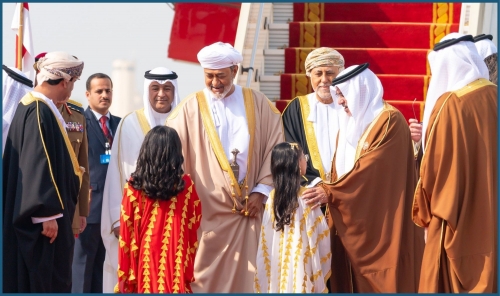
His Majesty Sultan Haitham bin Tariq Al-Said, the Sultan of Oman, arrived in Bahrain today to participate in the 46th Gulf Cooperation Council (GCC) Summit. The summit, a pivotal event for the region, brings together the heads of state from all six GCC member countries: Bahrain, Kuwait, Oman, Qatar, Saudi Arabia, and the United Arab Emirates. His arrival was marked by a warm welcome from His Royal Highness Prince Salman bin Hamad Al Khalifa, the Crown Prince and Prime Minister of Bahrain, demonstrating the strong bilateral ties between the two nations.
The GCC Summit serves as a vital forum for discussing pressing regional issues, strengthening cooperation across various sectors, and charting a course for a secure and prosperous future for the Gulf region. Oman’s active participation reflects its long-standing commitment to the GCC’s objectives.
Focus of the 46th GCC Summit
This year’s summit is expected to focus on several key areas. High on the agenda are discussions surrounding regional security, particularly in light of ongoing conflicts and geopolitical tensions. The leaders will likely address strategies for de-escalation, conflict resolution, and maintaining stability in the region.
Additionally, economic integration and diversification are expected to be prominent topics. The GCC states are increasingly focused on reducing their reliance on oil revenues and fostering sustainable economic growth through initiatives like increased trade, investment, and the development of non-oil sectors. Discussions around a unified economic vision for the GCC are anticipated.
Furthermore, the summit will likely address collaborative efforts to combat climate change and promote sustainable development. The Gulf region is particularly vulnerable to the effects of climate change, making collective action essential.
Oman’s Role in Regional Diplomacy
Oman has consistently played a crucial role in regional diplomacy, often acting as a mediator in disputes and fostering dialogue between conflicting parties. This neutral stance, coupled with its commitment to peaceful resolutions, has earned Oman respect and trust throughout the region. Sultan Haitham has continued this tradition, prioritizing diplomatic solutions and constructive engagement.
The Sultan’s presence at the GCC Summit reinforces Oman’s dedication to collective security and its willingness to contribute to finding common ground on complex issues. This commitment to regional cooperation is a hallmark of Omani foreign policy.
Strengthening GCC Ties
The visit by Sultan Haitham is also seen as a significant step in strengthening ties between Oman and other GCC member states. While Oman maintains strong relationships with all its neighbors, continued engagement through forums like the GCC Summit is vital for deepening these connections and fostering a sense of shared purpose.
The summit provides an opportunity for bilateral meetings between leaders, allowing for direct discussions on issues of mutual concern and the exploration of new avenues for collaboration. This is particularly important in the context of evolving regional dynamics and the need for a unified Gulf voice on international issues. The strengthening of Gulf security is a key outcome expected from these interactions.
Implications for the Future
The 46th GCC Summit, with the participation of Sultan Haitham, is poised to have significant implications for the future of the Gulf region. The outcomes of the summit will likely shape the GCC’s approach to addressing regional challenges and pursuing its strategic objectives.
A unified and coordinated approach to security, economic development, and climate change will be crucial for ensuring the long-term stability and prosperity of the Gulf. Oman’s continued engagement and commitment to Omani diplomacy will undoubtedly play a vital role in achieving these goals.
The discussions and agreements reached during the summit will not only impact the GCC member states but will also have broader implications for the wider Middle East and beyond. The world is watching as these leaders work to navigate a complex and rapidly changing geopolitical landscape.
In conclusion, Sultan Haitham’s participation in the 46th GCC Summit underscores Oman’s unwavering commitment to regional stability, cooperation, and prosperity. The summit provides a crucial platform for addressing shared challenges and forging a unified path forward for the Gulf region. The outcomes of this gathering will be closely watched, as they are likely to shape the future of the GCC and its role in the broader international arena. We encourage readers to follow ongoing coverage of the summit and its implications for the region.