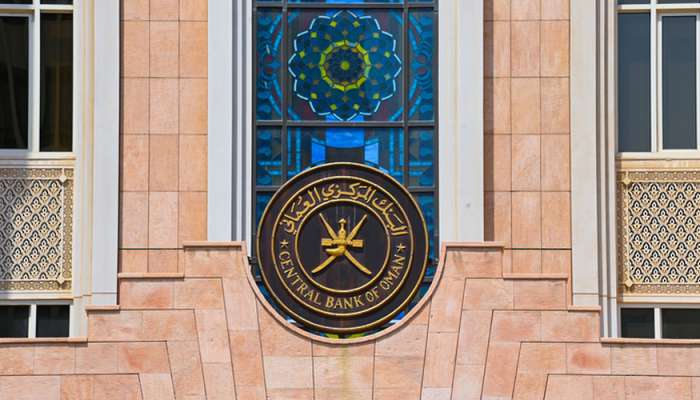

The Sultanate of Oman is poised for a significant shift in its cheque clearing system with the introduction of the Partial Payment Cheque framework. Effective December 15, 2025, the Central Bank of Oman (CBO) will implement this new system, designed to improve financial flow and reduce disputes arising from insufficient funds. This move represents a proactive step towards modernizing financial practices and bolstering the stability of the Omani banking sector.
Understanding the Partial Payment Cheque System in Oman
For years, a cheque returned due to insufficient funds (often referred to as a ‘bounced cheque’) has been a common source of legal complications and disrupted business transactions in Oman. The new regulations directly address this issue by allowing banks to clear a cheque for the amount available in the drawer’s account, even if it’s less than the cheque’s face value. This means beneficiaries will receive something, rather than nothing, when a cheque is presented against insufficient funds.
This isn’t simply a change in process; it’s a fundamental shift in how cheques are handled. The CBO’s initiative aims to create a more efficient and reliable payment system, benefiting both individuals and businesses operating within the Sultanate. It’s a move designed to encourage greater financial discipline and transparency.
Key Objectives of the New System
The CBO has outlined several key objectives driving the implementation of the Partial Payment Cheque system:
- Improved Cash Flow: By receiving a partial payment, beneficiaries experience a quicker turnaround of funds, even if the full amount isn’t immediately available.
- Reduced Legal Disputes: A significant portion of legal cases in Oman stem from returned cheques. This system aims to minimize these disputes by providing immediate value.
- Enhanced Financial Discipline: The system encourages account holders to maintain sufficient funds to cover their cheque obligations.
- Modernization of Banking Practices: Aligning Oman’s cheque clearing system with international best practices.
Eligibility and Types of Cheques Covered
The Partial Payment Cheque system will apply universally to all types of cheques drawn on licensed banks within Oman, regardless of their value. This broad application is a key feature of the new framework. Specifically, the following cheque types are eligible:
- Crossed cheques or Account Payee cheques
- Cash cheques
- Bearer cheques
- Order cheques
This inclusivity ensures that the benefits of partial payment are available across the board, simplifying the process for both issuers and recipients. It’s important to note that the system applies to domestically drawn cheques only.
Rights and Responsibilities: Beneficiaries and Customers
While the system mandates that beneficiaries accept the partial payment offered, it doesn’t diminish their rights to recover the outstanding amount. The CBO has been very clear on this point.
Beneficiaries retain their full legal recourse against the cheque drawer for the remaining balance. This recourse is firmly grounded in Article 566 of the Commercial Law and corresponding provisions within the Penal Code. They can pursue legal action to recover the full cheque amount, even after accepting a partial payment.
Meanwhile, the customer (the cheque drawer) retains the right to re-present the cheque to their bank once sufficient funds are available to cover the full amount. This re-presentation is, however, subject to the specific terms and conditions set forth by the Central Bank of Oman. These conditions will likely address timeframes and any associated fees. Understanding these cheque payment regulations is crucial for both parties.
Technological Enhancements to Support the System
The CBO hasn’t just changed the rules; it has also invested in the infrastructure to support the new system. The Electronic Cheque Clearing System (ECCS) has been significantly enhanced to accommodate the functionality of Partial Payment Cheque processing.
These enhancements ensure a smooth and efficient inter-bank clearing process among all licensed banks in the Sultanate. The upgraded ECCS will automatically identify cheques with insufficient funds and facilitate the partial payment clearing, reducing manual intervention and accelerating the process. This modernization of the ECCS is a vital component of the overall initiative.
Implications for Businesses and Individuals
The introduction of the Partial Payment Cheque system is expected to have a positive impact on the Omani economy. Businesses, particularly SMEs, will benefit from improved cash flow and reduced instances of bad debt. Individuals will also experience greater convenience and reduced risk associated with accepting cheques.
However, it’s crucial for both businesses and individuals to adapt to the new system. Businesses should review their internal payment processes and ensure their staff understands the implications of accepting partial payments. Individuals should prioritize maintaining sufficient funds in their accounts to avoid partial payments and potential legal complications. Staying informed about these banking system updates will be key to a seamless transition.
Conclusion
The Central Bank of Oman’s implementation of the Partial Payment Cheque system is a landmark decision aimed at modernizing the country’s financial infrastructure. By allowing for partial clearing of cheques, the CBO is addressing a long-standing issue of bounced cheques and their associated legal disputes. This initiative promises to enhance financial discipline, improve cash flow for businesses and individuals, and contribute to the overall stability of the Omani financial system.
As the December 15, 2025, implementation date approaches, it’s essential for all stakeholders – banks, businesses, and individuals – to familiarize themselves with the new regulations and prepare for a more efficient and reliable cheque clearing process. For more detailed information, please refer to the official announcements and guidelines published by the Central Bank of Oman.