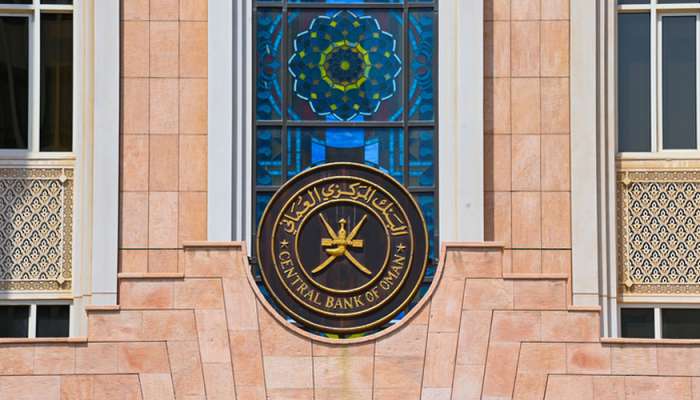

Muscat, Oman – The Central Bank of Oman (CBO) successfully raised OMR 33.9 million through the recent auction of treasury bills, demonstrating continued investor confidence in the Sultanate’s financial instruments. This latest allotment, finalized on Monday, provides a crucial mechanism for managing liquidity within the Omani banking sector and supporting government funding needs. The details of the auction reveal key insights into the current state of Oman’s short-term financial market and its broader economic outlook.
Understanding Oman’s Treasury Bill Auction
The auction saw the issuance of treasury bills with a maturity period of 91 days. This relatively short timeframe makes them an attractive option for commercial banks seeking secure, short-term investment opportunities for surplus funds. The average accepted price for the bills was OMR99.058 for every OMR100, with a minimum accepted price of OMR99.055.
These figures indicate a healthy demand, as investors were willing to pay close to the face value of the bills. The average discount rate reached 3.77761%, while the average yield was 3.81352%. These rates are important benchmarks for other short-term lending and borrowing activities within the Omani economy.
The Role of the Central Bank of Oman
The CBO plays a pivotal role in the issuance and management of these treasury bills. Acting as the Issue Manager, the CBO ensures a smooth and transparent auction process. Crucially, it also provides a safety net for banks by offering ready liquidity through discounting and repurchase facilities, commonly known as Repo.
This dual function – issuance and liquidity provision – is a cornerstone of the CBO’s monetary policy. The current interest rate for Repo operations stands at 4.75%, while the discount rate for Treasury Bills is 5.25%. This slight difference incentivizes banks to participate in the primary auction rather than immediately relying on the CBO for liquidity.
Benefits of Treasury Bills for Oman’s Financial System
Treasury bills aren’t just a funding tool for the government; they are vital for the health and development of Oman’s financial market. They serve several key functions, contributing to stability and growth.
Promoting a Robust Money Market
One of the most significant benefits is the promotion of a robust local money market. By establishing a benchmark yield curve for short-term interest rates, these bills provide a reference point for pricing other financial products. This transparency and predictability are essential for efficient capital allocation and overall economic activity. The availability of these instruments also encourages interbank lending, further deepening the market.
Government Funding and Fiscal Management
Furthermore, the government can utilize treasury bills as a flexible instrument for financing its recurrent expenditures. When faced with temporary budgetary shortfalls, the issuance of these bills offers a quick and efficient way to raise funds without resorting to more expensive or long-term borrowing options. This contributes to prudent fiscal management and helps maintain the Sultanate’s financial stability.
Enhanced Liquidity for Commercial Banks
The CBO’s discounting and Repo facilities are particularly beneficial for commercial banks. They provide a reliable avenue for converting treasury bills back into cash when needed, mitigating liquidity risk. This encourages banks to actively participate in the auctions, knowing they have a safety net in place. This is especially important in a dynamic economic environment where unforeseen circumstances can impact liquidity positions.
Recent Trends and Market Implications
The consistent success of these auctions, including the recent OMR 33.9 million raise, suggests a strong appetite for Omani government debt. This positive sentiment is likely influenced by Oman’s ongoing economic diversification efforts and its commitment to fiscal responsibility. The stable yield rates also indicate a relatively low level of risk perception among investors.
Looking ahead, the CBO is expected to continue utilizing treasury bills as a key tool for managing liquidity and supporting government financing. The frequency and size of these auctions will likely be adjusted based on prevailing economic conditions and the government’s funding requirements. Monitoring these auctions will provide valuable insights into the health of Oman’s financial sector and the broader economic outlook. The performance of these instruments is also closely watched by investors interested in Oman’s sovereign debt market.
In conclusion, the recent treasury bill auction by the Central Bank of Oman underscores the importance of these short-term financial instruments in maintaining financial stability, promoting market development, and supporting government funding. The consistent demand and healthy auction results reflect investor confidence in Oman’s economic trajectory. For further information on Oman’s financial markets and economic policies, please visit the Central Bank of Oman’s official website.