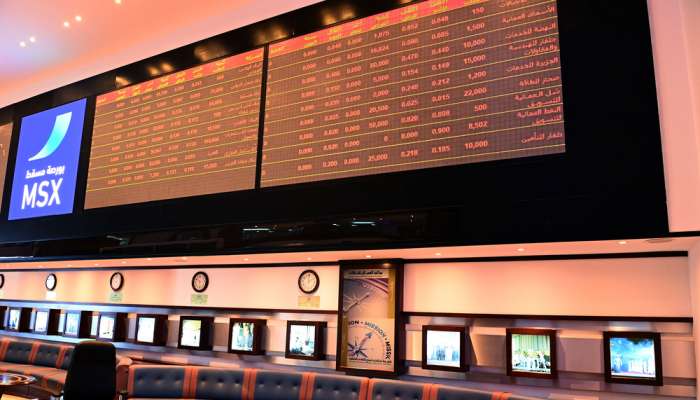

Oman’s bond and sukuk market experienced significant growth in 2025, solidifying its position as a key component of the nation’s financial landscape and offering diversifying investment opportunities. The total value of this market rose to OMR4.91 billion, a notable increase from the OMR4.30 billion recorded at the end of 2024. This expansion reflects growing investor confidence and the increasing utilization of these instruments by both the government and private sector for funding and financial management. This article will delve into the details of this growth, analyzing the key trends, new issuances, and overall performance of the Omani debt market.
Growth and Market Share of Oman’s Bond and Sukuk Market
The OMR607.9 million increase in the bond and sukuk market value demonstrates a strong upward trajectory. By the close of 2025, the market represented 15.3% of the total OMR32 billion market capitalization of the Muscat Stock Exchange (MSX). This signifies a growing appetite for fixed-income securities amongst investors in Oman.
Bonds and sukuk are attractive due to their relatively stable returns, offering regular cash flows through profit payments and the eventual return of the principal amount at maturity. This makes them a valuable tool for investors looking to balance risk within their portfolios, particularly alongside more volatile equity investments. Increasingly, funds, investment companies, and individual investors are incorporating these instruments to diversify and mitigate risk.
Performance Indicators in 2025: A Mixed Bag
While the overall market value increased, the performance indicators for 2025 presented a more nuanced picture. The number of transactions executed rose by 2.9% to 2,742, indicating increased trading activity. Furthermore, the number of bond and sukuk issues traded expanded from 39 to 41, and the number of traded securities increased from 119.6 million to 124.6 million.
However, the value of trading actually declined by 18.3%, falling from OMR90.5 million to OMR73.9 million. This decrease could be attributed to a variety of factors, including shifts in investor strategy towards holding for income rather than active trading, or potentially, a period of consolidation after previous growth. Understanding these dynamics is crucial for assessing the long-term health of the market.
Leading Issuers and Traded Securities
Currently, 70 bond and sukuk issues are listed on the MSX, providing a diverse range of options for investors. Bank Muscat’s Tier 1 perpetual bonds currently dominate the market in terms of value, reaching OMR321.2 million. The eighth issue of sovereign sukuk follows closely at OMR285.8 million, and the 67th issue of government development bonds (GDBs) holds the third position with OMR283.1 million.
In terms of trading activity, Bank Muscat’s Tier 1 perpetual bonds were the most actively traded, accounting for OMR15.9 million, or 21.6% of the total trading value. The eighth issue of sovereign sukuk came in second at OMR11.3 million, followed by Bank Dhofar’s bonds (OMR7.3 million), Ahli Bank’s mandatory convertible bonds (OMR3.9 million), and the 70th issue of government development bonds (OMR3.5 million). These figures highlight the continued demand for established, high-value issues.
Price Movements: Winners and Losers
Throughout 2025, the prices of 20 issues increased, demonstrating positive investor sentiment towards certain securities. Ominvest’s mandatory convertible bonds issued in 2024 saw the most significant rise, increasing by 25% to close at 100 baisa. Ahli Bank’s mandatory convertible bonds also performed well, rising by 10.8% to 102 baisa, while Oman Finance’s free bonds increased by 7.5% to 86 baisa.
Conversely, 6 issues experienced price declines. Oman Finance Services Bonds 2025 saw the largest decrease, falling by 24% to 76 baisa. United Finance Bonds and Oman Arab Bank Mandatory Conversion Bonds 2024 also experienced notable declines, dropping by 23% and 18% respectively. These fluctuations underscore the importance of careful due diligence and risk assessment when investing in the fixed income market.
Government and Corporate Issuances Fuel Growth
The growth of Oman’s bond market is being driven by both government and corporate activity. Last year, the government issued the eighth and ninth tranches of sovereign sukuk, totaling OMR382 million with profit rates of 4.8% and 4.65% respectively. Additionally, seven issuances of government development bonds (GDBs) raised OMR582.7 million, offering interest rates between 4.1% and 4.6%. These issuances are vital for funding national development projects and managing the state budget.
Private sector participation is also expanding. Bank Sohar International issued OMR200 million in unsecured Tier 1 perpetual and subordinated bonds through a private placement, listed on the MSX in September. Oman Finance Services Company and the National Mineral Water Company also entered the market with new bond issuances, totaling OMR5.577 million and OMR4 million respectively. These new offerings contribute to the depth and liquidity of the market, providing investors with more choices.
In conclusion, Oman’s bond and sukuk market demonstrated robust growth in 2025, despite some fluctuations in trading value. Driven by both government initiatives and increasing corporate participation, the market is becoming a more significant part of the Omani financial ecosystem. The diversification benefits and stable income streams offered by these instruments are attracting a wider range of investors, contributing to the overall stability and development of the nation’s economy. For investors seeking to understand and participate in this growing market, continued monitoring of new issuances, price movements, and overall economic conditions is essential.