
Oman is charting a course toward robust financial health and a diversified economy with the announcement of its 2026 state budget. The plan prioritizes bolstering the nation’s financial, economic, and social stability while simultaneously building resilience against potential future headwinds. This strategic approach is firmly rooted in the framework of the Eleventh Five-Year Development Plan (2026-2030) and the overarching long-term aspirations of Oman Vision 2040. This detailed look at the upcoming fiscal year reveals a commitment to sustainability and growth.
Strengthening Oman’s Financial Position: The 2026 Budget Overview
The 2026 state budget represents a significant step forward in Oman’s ongoing efforts to optimize its economic landscape. The government’s intention is clear: to move beyond a reliance on hydrocarbons and cultivate a sustainable, diversified economy that benefits all citizens. This isn’t just about numbers; it’s about creating a secure future for generations to come. Core to this plan is a dedication to fiscal sustainability, ensuring long-term financial stability for the Sultanate.
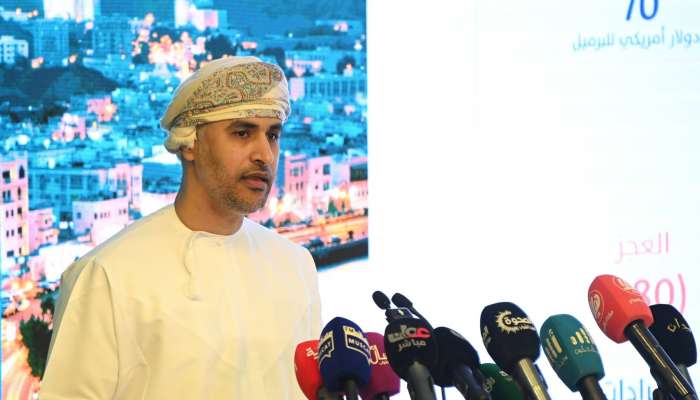
Presenting the preliminary financial performance of 2025, His Excellency Abdullah bin Salim Al Harthy, the Undersecretary of Finance, highlighted positive trends. Public revenues experienced a 5% increase, demonstrating growing economic activity. Simultaneously, public expenditure saw a rise of 4%, indicating continued investment in key areas of development. These combined factors resulted in a commendable 23% decrease in the fiscal deficit, bringing it down to RO 480 million.
Key Drivers of 2025’s Positive Financial Results
Several factors contributed to the improved financial performance in 2025. Crucially, the average price of oil throughout the year was approximately $10 per barrel higher than initially projected in the 2025 budget. This revenue boost provided additional resources for investment.
However, improved oil prices weren’t the sole contributor. An increase in development spending also played a vital role. This targeted expenditure aimed to accelerate progress on existing infrastructure and social programs. The government prioritized timely completion of ongoing projects, recognizing their crucial role in stimulating economic growth and providing essential services. This proactive investment demonstrates Oman’s commitment to achieving the goals outlined in Oman Vision 2040.
Focus on Economic Diversification in the 2026 Budget
The 2026 budget isn’t merely about managing finances; it’s about fundamentally reshaping the Omani economy. Recognizing the volatility of the oil market, the government is doubling down on efforts to develop non-oil sectors. This strategic shift is designed to create a more resilient and balanced economic system. Sectors targeted for growth include tourism, logistics, manufacturing, and fisheries.
A significant portion of the 2026 budget is allocated to initiatives that promote private sector investment and entrepreneurship. Creating a business-friendly environment is paramount. This includes streamlining regulations, enhancing infrastructure, and providing access to finance for small and medium-sized enterprises (SMEs). These SMEs are seen as critical engines of growth and job creation in the future.
Investing in Human Capital and Social Development
Economic diversification isn’t complete without parallel investment in the Omani people. The 2026 budget reflects a strong commitment to strengthening human capital through education, healthcare, and skills training programs. These investments aim to equip citizens with the knowledge and abilities needed to thrive in a rapidly evolving job market. This focus directly supports the goals of the Eleventh Five-Year Development Plan.
Additionally, the budget prioritizes social welfare programs, ensuring that the benefits of economic growth are shared equitably across society. This includes support for vulnerable populations and initiatives to improve the quality of life for all Omanis. Maintaining social harmony and inclusivity is a key principle guiding the government’s financial planning.
Building Resilience Against Future Challenges
The global economic landscape is fraught with uncertainty. The 2026 state budget acknowledges this reality and incorporates measures to enhance Oman’s resilience to future shocks. This proactive approach includes building strategic reserves, diversifying funding sources, and strengthening financial regulations.
Moreover, the budget prioritizes investments in areas that can mitigate the impact of climate change, such as renewable energy and water management. Oman is committed to playing its part in addressing global environmental challenges while simultaneously securing its own long-term sustainability. Efficient resource management and environmental protection are becoming increasingly important components of the nation’s financial strategy.
Furthermore, the government is actively working to improve its debt management strategies, ensuring that Oman maintains a healthy debt-to-GDP ratio. This prudent approach to borrowing helps safeguard the nation’s financial future.
In conclusion, the 2026 state budget represents a carefully considered plan to solidify Oman’s financial foundations, diversify its economy, and prepare for the challenges ahead. Grounded in the principles of fiscal responsibility and long-term vision, the budget demonstrates a firm commitment to building a prosperous and sustainable future for the Sultanate and its citizens. Readers are encouraged to explore Oman Vision 2040 for a more detailed understanding of the nation’s long-term goals and strategies. Stay informed about Oman’s economic progress by following the Ministry of Finance’s official updates.