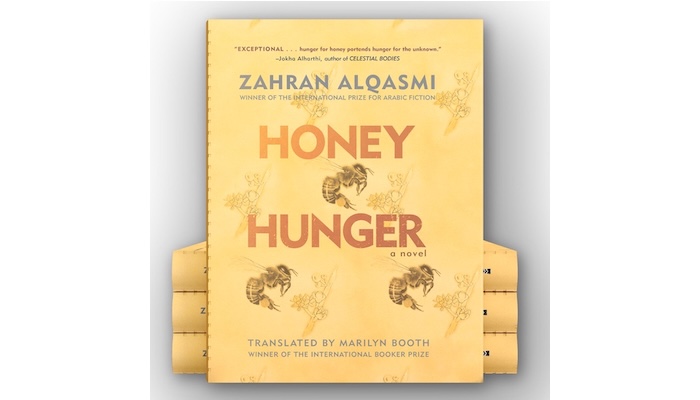

The literary world is celebrating a significant achievement for Omani literature. Zahran Alqasmi’s acclaimed novel, “Jou’ Al-Asal” (Honey Hunger), and its masterful English translation by Marilyn Booth, has been awarded the prestigious 2025 Saif Ghobash Banipal Prize for Arabic Literary Translation. This recognition underscores the growing international appreciation for contemporary Arabic fiction and the power of translation to bridge cultural divides. The win is a testament to both Alqasmi’s evocative storytelling and Booth’s skill in capturing the nuances of the original text.
“Honey Hunger”: A Triumph of Omani Literature and Translation
“Honey Hunger” is not simply a story; it’s an immersive experience into the heart of Oman. The novel, published in Arabic in 2015, explores the complex theme of deprivation hidden within abundance, cleverly symbolized by the relentless pursuit of wild mountain honey. The Banipal Prize committee specifically lauded the translation for its “exquisite language and style,” highlighting its ability to transport readers to the rugged, lyrical landscapes of the Omani highlands. This award solidifies the novel’s place as a key work in contemporary Arabic literature and a shining example of successful Omani literature translation.
The Story Behind the Sweetness
At its core, “Honey Hunger” follows the interwoven lives of three friends. Despite their outwardly comfortable existences, each character grapples with a deep-seated sense of lack. Their shared passion – the arduous and often fruitless search for wild honey – becomes a powerful metaphor for their individual quests for meaning and self-discovery. Alqasmi masterfully uses this pursuit to delve into the characters’ inner worlds, revealing their vulnerabilities, desires, and the profound influence of their environment.
The novel is richly detailed, offering insights into the world of beekeeping, the intricacies of bee life, and the traditional practices of Bedouin communities. Readers will learn about different bee species, the challenges they face, and the ancient methods used to harvest honey. This detailed world-building adds depth and authenticity to the narrative, grounding the metaphorical journey in a tangible reality. The author’s attention to detail extends to the customs and generosity of the Bedouin people, showcasing their deep connection to the land.
A Unique Narrative Style and Poetic Roots
Zahran Alqasmi’s writing style is distinctive and captivating. He eschews traditional action-driven plots in favor of a more contemplative and suggestive approach. The narrative unfolds through concise sentences, a keen focus on minute details, and a deliberate pacing that invites readers to actively participate in the meaning-making process.
Adding another layer of richness, each of the novel’s thirteen chapters begins with a “Ta’weeba” – a traditional form of Omani folk poetry sung by women during daily tasks like wood gathering or herding. These poetic interludes provide cultural context and enhance the lyrical quality of the prose. This integration of traditional Omani poetry is a key element of what makes “Honey Hunger” such a unique and compelling work of Arabic novel translation.
The Cultural Club’s Vision and the Power of Translation
The success of “Honey Hunger” is also a testament to the vision of the Cultural Club and its “Omani Text Translation” program. Launched in 2019, this initiative aims to promote Omani literature on the global stage by making it accessible to a wider audience. The program recognizes the crucial role of translation in fostering cross-cultural understanding and appreciation.
This strategic project is designed to position Omani writing as a significant voice in the international literary landscape. The Banipal Prize win for “Honey Hunger” is a clear indication that the program is achieving its goals. It demonstrates the quality and potential of Omani literature and the importance of investing in literary translation initiatives.
Marilyn Booth’s Contribution
The exceptional quality of the translation by Marilyn Booth is central to the novel’s success. Booth is a highly respected British scholar specializing in Arabic literature, and her sensitivity to the nuances of Alqasmi’s language and style is evident throughout the text. She has not merely translated the words but has captured the spirit and essence of the original work, allowing it to resonate with readers from different cultural backgrounds.
Her ability to convey the poetic beauty and subtle complexities of “Honey Hunger” has earned her widespread acclaim and contributed significantly to the novel’s international recognition. The award acknowledges the artistry and skill required to produce a truly exceptional literary translation.
Looking Ahead: A Brighter Future for Omani Literature
The Saif Ghobash Banipal Prize win for “Honey Hunger” marks a pivotal moment for Omani literature. It is a powerful affirmation of the country’s rich cultural heritage and its growing presence on the global literary stage. This success will undoubtedly inspire other Omani writers and translators, encouraging them to share their stories with the world. The novel’s exploration of universal themes – desire, fulfillment, and the search for meaning – ensures its continued relevance and appeal to readers worldwide. We encourage readers to seek out this remarkable work and experience the beauty and depth of Omani storytelling for themselves.