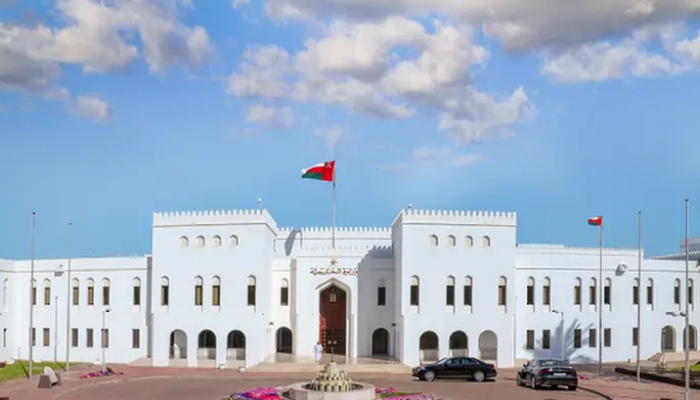

The Sultanate of Oman has been lauded for its pivotal role in brokering a significant agreement regarding the Yemen prisoner exchange, a development welcomed by regional and international actors alike. Negotiations, held in Muscat from December 9th to 23rd, culminated in a deal promising the release of prisoners held by all parties involved in the ongoing conflict. This breakthrough represents a crucial step towards alleviating humanitarian suffering and fostering a more stable future for Yemen. Oman’s commitment to peaceful resolution and its neutral stance have positioned it as a key mediator in the region.
Oman Facilitates Historic Yemen Prisoner Exchange Agreement
The agreement, signed in Muscat, signifies a major achievement in efforts to de-escalate the conflict in Yemen. For years, the issue of prisoners of war and those detained has been a significant obstacle to lasting peace. The successful negotiations, facilitated by Oman, demonstrate the power of dialogue and the importance of a neutral ground for complex discussions. This Yemen prisoner exchange is not merely a logistical operation; it’s a gesture of goodwill and a vital component of building trust between conflicting sides.
A Positive Atmosphere for Negotiation
Oman’s Ministry of Foreign Affairs released a statement praising the “positive spirit” that characterized the negotiations. This collaborative environment was crucial in overcoming numerous hurdles and reaching a consensus. The Omani government emphasized that the agreement reflects a shared commitment to addressing the humanitarian crisis in Yemen and prioritizing the well-being of those affected by the conflict. The focus remained consistently on the human cost of the war, driving all parties towards a constructive outcome.
Key Players and Collaborative Efforts
The success of the prisoner exchange in Yemen wasn’t solely attributable to Oman’s mediation. The Sultanate specifically acknowledged the constructive cooperation of the Kingdom of Saudi Arabia, a key player in the regional landscape. Additionally, Oman extended its gratitude to the Office of the UN Special Envoy for Yemen, whose ongoing efforts to find a political solution are vital. The International Committee of the Red Cross (ICRC) also played a critical role, providing logistical support and ensuring the humane treatment of prisoners during the exchange process.
The combined efforts of these entities – Oman, Saudi Arabia, the UN, and the ICRC – highlight the necessity of a multi-faceted approach to resolving the complex challenges facing Yemen. Each organization brought unique expertise and resources to the table, contributing to the overall success of the negotiations. This collaborative spirit is a model for future peace initiatives in the region.
The Broader Implications for Yemen’s Future
Oman views this Yemen peace process development as a stepping stone towards a more comprehensive resolution to the conflict. The release of prisoners is expected to create a more conducive environment for further negotiations on outstanding issues. These issues include, but are not limited to, political arrangements, security concerns, and the urgent need for humanitarian aid. The hope is that this initial success will build momentum and encourage all parties to engage in good-faith discussions.
Addressing Outstanding Humanitarian Concerns
The humanitarian situation in Yemen remains dire, with millions of people in need of assistance. The ongoing conflict has exacerbated existing challenges, including food insecurity, lack of access to healthcare, and displacement. Oman believes that the Yemen conflict resolution requires a sustained commitment to addressing these humanitarian needs. The prisoner exchange, while significant, is just one piece of the puzzle. Increased humanitarian access and a comprehensive political settlement are essential for long-term stability.
Furthermore, the successful completion of the prisoner exchange could pave the way for increased trust-building measures between the warring parties. This trust is crucial for implementing other confidence-building initiatives, such as ceasefires and the resumption of essential services. Oman remains committed to supporting all efforts aimed at alleviating the suffering of the Yemeni people.
Oman’s Continued Role in Regional Stability
The Sultanate of Oman has long maintained a policy of neutrality and non-interference in regional conflicts, positioning itself as a trusted mediator. This approach has allowed Oman to play a constructive role in resolving disputes and promoting stability in the Middle East. The recent success in facilitating the Yemen peace talks further solidifies Oman’s reputation as a responsible and reliable partner. Oman’s dedication to diplomacy and its commitment to peaceful resolution are vital assets in a region often characterized by conflict and instability.
Looking ahead, Oman is expected to continue its efforts to support a peaceful resolution to the conflict in Yemen. The Sultanate will likely remain engaged with all parties involved, encouraging dialogue and facilitating further negotiations. The hope is that this latest breakthrough will mark the beginning of a new chapter for Yemen, one characterized by peace, stability, and prosperity. The international community’s continued support and engagement will be crucial in ensuring the long-term success of these efforts.