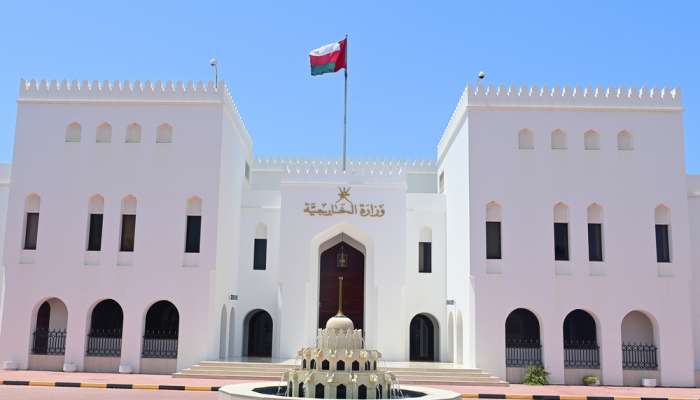

Oman has officially welcomed a Saudi-led initiative for dialogue among southern factions in Yemen, a move widely seen as a crucial step towards a lasting resolution to the ongoing conflict. This support underscores Muscat’s commitment to facilitating a comprehensive political settlement that reflects the will of the Yemeni people. The situation in Yemen remains complex, and this Yemen peace process is poised to be a significant development, potentially reshaping the political landscape of the region. This article will explore the details of Oman’s endorsement, the context of the Saudi initiative, and the potential implications for Yemen’s future stability.
Oman Backs Saudi-Hosted Dialogue for Yemeni Southern Components
The Sultanate of Oman’s Ministry of Foreign Affairs released a statement expressing its strong support for the invitation extended to all southern components within the Republic of Yemen to participate in talks hosted by the Kingdom of Saudi Arabia. This endorsement signifies a unified front among Gulf nations seeking to address the multifaceted challenges plaguing Yemen. Oman reiterated that the initiative would contribute substantially towards achieving broad consensus, a vital element in securing a comprehensive and enduring political resolution.
The Significance of Omani Support
Oman has historically maintained a neutral stance in the Yemen conflict, engaging in quiet diplomacy with all parties involved. This position has allowed Muscat to serve as a trusted mediator and facilitator. By publicly backing the Saudi initiative, Oman isn’t altering its core diplomatic approach, but rather bolstering the effort with its credibility and influence. This strategic support could encourage greater participation from southern groups who might otherwise be hesitant to engage in talks under Saudi auspices. The hope is that this collaborative atmosphere will foster genuine progress in the Yemen peace process.
Understanding the Saudi Initiative and Yemeni Divisions
The Saudi-hosted talks aim specifically to unite the various southern factions within Yemen. The south has long harboured grievances related to marginalization and lack of representation since the unification of North and South Yemen in 1990. These tensions resurfaced during the civil war, leading to the emergence of distinct political and military actors, most notably the Southern Transitional Council (STC).
Key Players in Southern Yemen
The STC, advocating for autonomy or full independence for Southern Yemen, controls significant territory, including the vital port city of Aden. Other influential groups include those loyal to the internationally recognized government, as well as local tribes and leaders with varying agendas. Successfully bringing these disparate actors to the table is a major hurdle, and the Saudi initiative represents a direct attempt to overcome this challenge.
Meanwhile, the broader conflict in Yemen pits the Houthis, a Zaidi Shia Muslim movement controlling much of the north and Sana’a, against the government backed by a Saudi-led coalition. Any lasting solution requires addressing the concerns of *all* Yemenis, not just those in the south, however establishing a unified southern front is seen as a crucial preliminary step. Finding common ground amongst the southern groups will ideally simplify future negotiations with the Houthi leadership.
The Role of a Comprehensive Political Settlement
Oman’s statement emphasizes the importance of a “comprehensive political settlement.” This highlights the need for a solution that addresses the root causes of the conflict and includes all stakeholders. Limited, piecemeal agreements focusing solely on the south will likely prove unsustainable. A truly comprehensive settlement must encompass power-sharing arrangements, security sector reform, economic reconstruction, and crucially, the legitimate aspirations of the Yemeni people.
This integral aspect of the Yemen peace process is what sets it apart from previous attempts. Negotiators need to consider the diverse grievances and interests across Yemen’s regions and communities. Failing to do so risks perpetuating cycles of violence and instability.
Implications for Regional Stability and Humanitarian Relief
A successful outcome from the Saudi-hosted dialogue, with Oman’s support, could have far-reaching positive implications for regional stability. De-escalation in Yemen would lessen the geopolitical tensions and reduce the potential for proxy conflicts. It would also allow for a greater focus on addressing the dire humanitarian crisis unfolding within Yemen’s borders.
The war has created one of the world’s worst humanitarian disasters, with millions facing starvation, disease, and displacement. A lasting peace is essential to enable effective humanitarian access and facilitate long-term recovery efforts. A stable and prosperous Yemen is also in the interest of regional economic development, opening up opportunities for trade and investment. Furthermore, this renewed focus on diplomacy strengthens the broader regional peace initiatives.
Looking Ahead: Challenges and Opportunities in the Yemen Peace Process
While Oman’s endorsement of the Saudi initiative is a positive sign, significant challenges remain in the Yemen peace process. Trust between the various factions is low, and previous ceasefire agreements have repeatedly broken down. External actors, including Iran, also play a role in the conflict, adding another layer of complexity. However, the current momentum and the unified stance of Gulf states present a unique opportunity to achieve progress.
Continued diplomatic engagement, coupled with a commitment from all parties to prioritize the needs of the Yemeni people, is crucial. The international community must also provide sustained support for the humanitarian situation in Yemen and assist with the implementation of any future peace agreements. The path to peace will undoubtedly be arduous, but with perseverance and a genuine desire for a lasting resolution, a brighter future for Yemen is within reach.