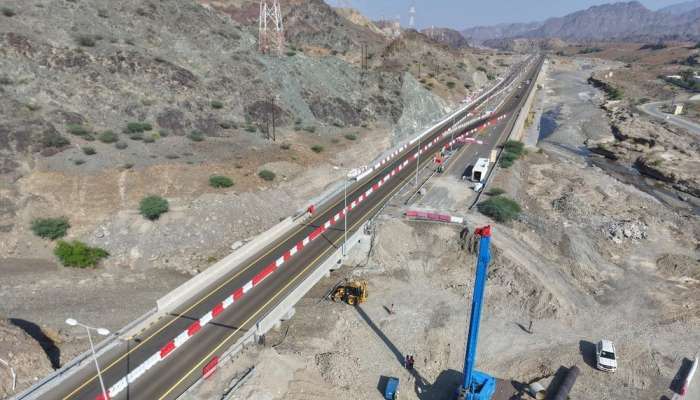

Oman is poised for a significant overhaul of its transportation infrastructure, promising smoother travel for residents and a boost for economic growth. Recent announcements detail major road projects underway in the north and central regions of the country, signaling a commitment to modernizing the national network. These developments, including new overpasses and dualized roadways, aim to alleviate congestion, enhance logistical efficiency, and support the Sultanate’s ambitious development plans. This article delves into the specifics of these projects and their anticipated impact.
Enhancing Connectivity: New Road Projects in Oman
The Omani government is actively investing in its transportation infrastructure to facilitate economic diversification and improve the quality of life for its citizens. The current wave of road projects focuses on key areas experiencing increased traffic and logistical demands. These initiatives are not merely about building roads; they represent a strategic effort to connect communities, streamline trade, and unlock the potential of special economic zones.
Sohar-Al Buraimi Highway Improvements
One of the most significant undertakings is the construction of five new overpasses along the vital Sohar–Al Buraimi highway. This project, budgeted at over OMR6 million, is currently 8% complete and is expected to be finished by the end of 2026. The overpasses are designed to address traffic bottlenecks and improve safety on this heavily used route, which serves as a crucial link between northern and western Oman.
Rimal Global Technical Services has been awarded the contract for this important infrastructure upgrade. The Ministry of Transport, Communications and Information Technology is actively seeking further expertise, inviting experienced companies to bid on additional infrastructure development projects across the nation. This demonstrates a continued commitment to expanding and improving Oman’s road network.
Duqm Special Economic Zone Sees Major Road Openings
Meanwhile, the Special Economic Zone at Duqm (SEZAD) is experiencing rapid growth, and its transportation infrastructure is being upgraded to match. The recent opening of two major road projects – the dualisation of Sultan Said bin Taimur Road (Southern National Road No. 32) and the Ras Markaz Road – marks a significant milestone in the zone’s development. These projects are crucial for supporting the increasing industrial, tourism, and commercial activity within SEZAD.
The inauguration ceremony, presided over by Dr. Said Mohammed Al Saqri, Minister of Economy, highlighted the alignment of these transportation infrastructure improvements with Oman’s broader economic and social goals. Dr. Al Saqri emphasized the role of these upgrades in enhancing the nation’s competitiveness and fostering sustainable growth by improving trade movement and logistical links.
A Landmark Year for Duqm and Regional Collaboration
Eng Ahmed Ali Akaak, CEO of SEZAD, described 2025 as a landmark year for infrastructure development in Duqm. Beyond the two major road openings, the zone has also seen the completion of internal roads in the new Sai commercial district and ongoing work on the dual coastal road within the tourist zone. These internal improvements are designed to facilitate seamless movement within the zone and attract further investment.
The Ras Markaz Road project is particularly noteworthy for its demonstration of successful regional collaboration. Funded by the Saudi Fund for Development, the project was executed by a joint Omani-Saudi consortium comprising Strabag Oman and Al Rosan Contracting. This partnership underscores the growing cooperation between Oman and Saudi Arabia in the realm of infrastructure projects and regional development. It also highlights Oman’s ability to attract foreign investment and collaborate effectively on large-scale initiatives.
The Wider Impact of Oman’s Road Development
These road projects are not isolated initiatives. They are part of a larger, integrated plan to modernize Oman’s transportation network and position the country as a key logistical hub in the region. Improved roads translate to reduced transportation costs, faster delivery times, and increased efficiency for businesses operating in Oman. This, in turn, will attract further investment and stimulate economic growth.
Furthermore, the enhanced connectivity will benefit tourism, allowing visitors to explore the diverse landscapes and cultural attractions of Oman with greater ease. The development of SEZAD, in particular, is expected to create numerous job opportunities and contribute significantly to the Omani economy. The focus on sustainable growth also ensures that these projects are environmentally responsible and contribute to the long-term well-being of the nation.
The Ministry of Transport, Communications and Information Technology’s continued call for bids on further projects signals that this period of intense infrastructure development is far from over. Oman is actively building a future where efficient and reliable transportation is a cornerstone of its economic success and social progress.
To learn more about Oman’s economic vision and investment opportunities, visit the official websites of the Ministry of Transport, Communications and Information Technology and the Special Economic Zone at Duqm (SEZAD). Stay updated on the progress of these exciting road projects and the positive impact they will have on Oman’s future.