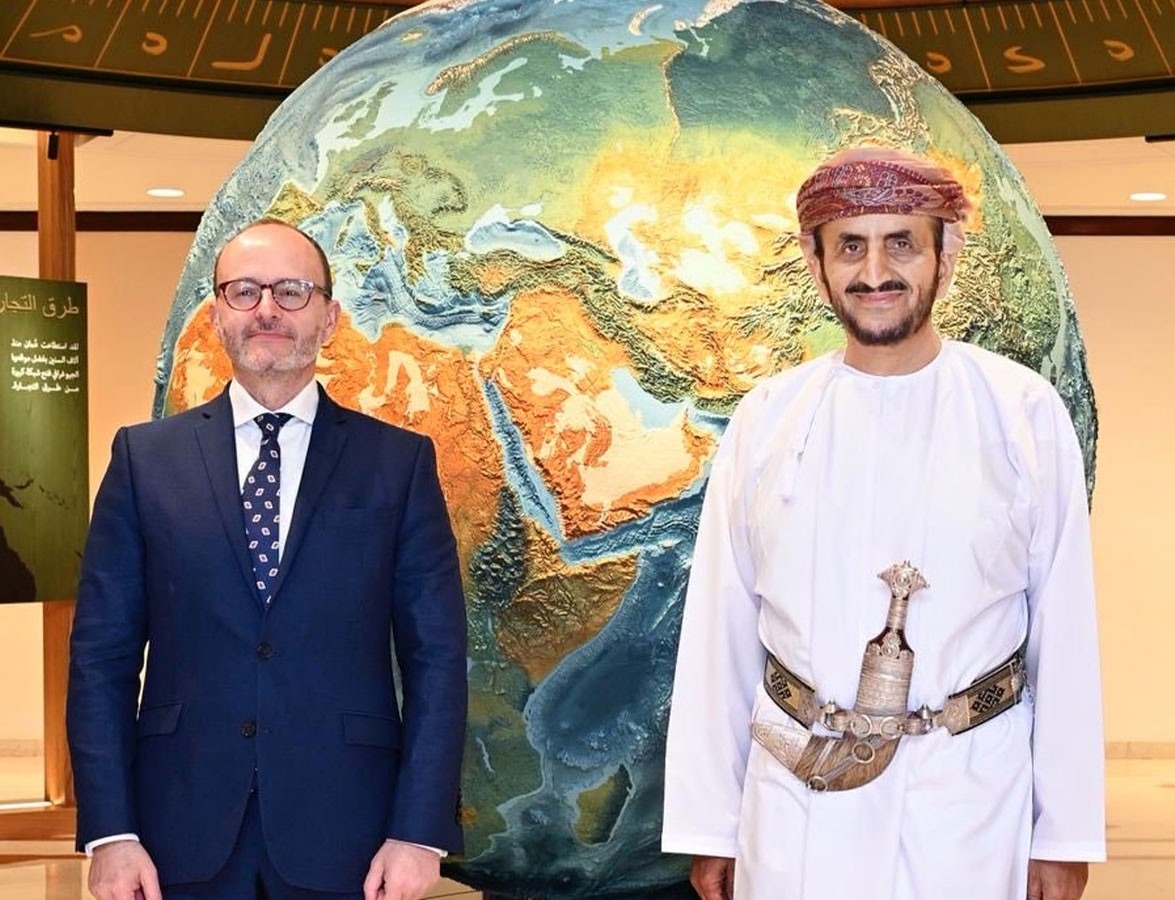

Oman and Spain convened the fourth round of political consultations in Muscat this week, focusing on strengthening bilateral relations and exploring expanded cooperation in key sectors. The discussions, held Tuesday, involved Sheikh Khalifa bin Ali Al Harthy, Undersecretary for Diplomatic Affairs at the Omani Ministry of Foreign Affairs, and Spanish Minister of Foreign Affairs, Diego Martinez Belio. The meeting underscored a mutual commitment to fostering deeper ties between the two nations, particularly in trade, investment, energy, and cultural exchange.
The consultations took place in the Omani capital and addressed a range of topics, from enhancing economic partnerships to navigating shared concerns regarding regional and international developments. According to a statement from the Omani Ministry of Foreign Affairs, both parties expressed satisfaction with the current state of affairs and identified areas for future growth. This dialogue builds upon existing diplomatic efforts to solidify a strategic partnership.
Strengthening Oman-Spain Bilateral Relations
The core of the discussions centered on bolstering bilateral relations across multiple fronts. Trade and investment exchanges were highlighted as a priority, with both nations seeking to identify new opportunities for collaboration. Oman, with its strategic location and diversifying economy, presents an attractive market for Spanish businesses, while Spain offers advanced technologies and expertise in sectors like renewable energy and infrastructure.
Focus on Key Sectors
Several specific areas received particular attention during the talks. The energy sector, a cornerstone of the Omani economy, was a key focus, with potential for Spanish companies to contribute to Oman’s diversification efforts. Cultural exchange programs were also discussed, aiming to promote mutual understanding and people-to-people connections. Additionally, the potential for increased collaboration in tourism was explored, leveraging Oman’s growing appeal as a destination and Spain’s established tourism industry.
However, the talks weren’t solely focused on economic cooperation. Sheikh Al Harthy and Minister Belio also engaged in a comprehensive review of regional and international issues. These discussions likely included perspectives on ongoing conflicts in the Middle East, global energy security, and counter-terrorism efforts. The exchange of views on these complex challenges demonstrates a shared commitment to multilateralism and peaceful resolution of disputes.
The meeting comes at a time of increasing global economic uncertainty and shifting geopolitical landscapes. Spain, a key member of the European Union, is actively seeking to diversify its international partnerships, while Oman is pursuing its “Oman Vision 2040” plan, which aims to transform the Sultanate into a diversified and sustainable economy. This shared context provides a strong foundation for enhanced cooperation. The development of economic ties is seen as crucial for both nations.
Meanwhile, Spain’s interest in Oman’s strategic position along key shipping lanes is also a significant factor. Oman controls a vital stretch of the Strait of Hormuz, a critical waterway for global oil supplies. Strengthening diplomatic and security cooperation could contribute to regional stability and protect vital trade routes. This is particularly relevant given ongoing tensions in the region and concerns about maritime security. Foreign affairs discussions often include these strategic considerations.
In contrast to some regional dynamics, Oman has maintained a policy of neutrality and dialogue, positioning itself as a mediator in regional conflicts. This approach resonates with Spain’s commitment to peaceful diplomacy and multilateral solutions. The consultations provided an opportunity to explore how both countries can work together to promote stability and de-escalation in the wider Middle East region.
Looking ahead, the Omani Ministry of Foreign Affairs has not yet announced specific timelines for follow-up actions. However, it is anticipated that working groups will be established to explore concrete projects and initiatives in the identified areas of cooperation. The success of these efforts will depend on continued political will and effective implementation of agreed-upon strategies. Further developments regarding specific investment projects and cultural exchange programs will be closely watched in the coming months, as will the impact of these discussions on broader international relations.