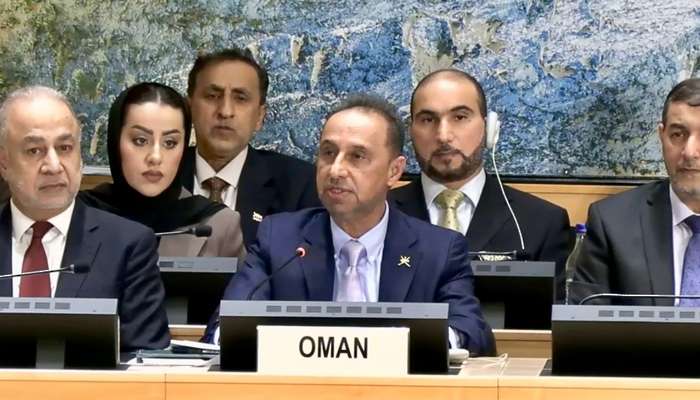

The Sultanate of Oman recently completed its fourth Universal Periodic Review (UPR) in Geneva, Switzerland, demonstrating a continued commitment to strengthening its human rights record. The review, a crucial component of the United Nations’ human rights system, saw the Omani delegation present significant progress made since its third UPR in January 2021. This process highlights Oman’s dedication to international cooperation and its evolving approach to safeguarding the rights and freedoms of its citizens and residents.
Oman’s UPR Review: A Focus on Progress and Reform
Led by Dr. Abdullah bin Mohammed Al Saidi, Minister of Justice and Legal Affairs, the Omani delegation engaged in a thorough review of the nation’s human rights performance. The fourth national report, meticulously prepared by the Legal Committee in collaboration with both civil society organizations and various government agencies, underscored the importance of inclusive participation in the UPR process. This collaborative approach signals a willingness to listen to diverse perspectives and build consensus around key reforms.
Key Highlights from Oman’s National Report
The report detailed substantial advancements in Oman’s legal and institutional frameworks related to human rights. A particularly noteworthy achievement is Oman’s recent accession to the International Covenant on Civil and Political Rights. This, coupled with its prior ratification of the International Covenant on Economic, Social and Cultural Rights, brings the total number of core international human rights treaties ratified by Oman to eight out of nine. This demonstrates a clear intention to align national laws and practices with globally recognized standards.
Furthermore, the report highlighted the submission of regular reports to relevant international human rights bodies, showcasing transparency and accountability. Legislative updates were also presented, covering crucial areas such as enhanced social protection measures, modernized media regulations, revisions to nationality laws, and the establishment of frameworks for organ and tissue transplantation. Significant attention was given to laws designed to combat human trafficking, protect the rights of persons with disabilities, and regulate the employment of domestic workers.
Commitment to the UPR Mechanism and Future Aspirations
During the session, Ambassador Idris bin Abdul Rahman Al Khanjari, the Permanent Representative of the Sultanate of Oman to the United Nations Office in Geneva, reaffirmed Oman’s steadfast commitment to the UPR mechanism. He also announced a landmark decision: Oman’s first-ever nomination for membership in the Human Rights Council for the 2028–2030 term. This nomination reflects Oman’s growing confidence in its human rights achievements and its desire to play a more active role in shaping global human rights policy.
The review process itself involved a robust exchange of views, with 94 participating States offering interventions and recommendations to Oman. The Omani delegation responded thoughtfully and comprehensively to these points, demonstrating a willingness to engage in constructive dialogue. This interactive element is a cornerstone of the UPR, allowing for a nuanced understanding of challenges and opportunities.
Addressing Recommendations and Continuing the Path Forward
Concluding the session, Minister Al Saidi emphasized that all recommendations received would be given due consideration. He underscored the vital role of the UPR in driving continuous improvement in human rights performance and in facilitating the exchange of best practices with other nations. The Minister’s statement signals a proactive approach to implementing the recommendations and further solidifying Oman’s commitment to upholding human dignity.
The focus on legal reforms is a central theme of Oman’s UPR journey. These reforms aren’t simply about ticking boxes; they represent a genuine effort to create a more just and equitable society. The inclusion of civil society organizations in the report preparation process is also a positive step, ensuring that the voices of those most affected by human rights issues are heard and considered.
Oman’s participation in the UPR and its commitment to addressing recommendations demonstrate a clear understanding of the evolving international landscape of international law and human rights. The country’s progress, particularly its recent accession to the International Covenant on Civil and Political Rights, positions it as a constructive partner in the global effort to promote and protect human rights for all. The nation’s ambition to join the Human Rights Council further solidifies this commitment.
The UPR process is not a destination but a journey of continuous improvement. Oman’s dedication to this process, its willingness to engage with the international community, and its ongoing efforts to strengthen its human rights framework are commendable. It will be crucial to monitor the implementation of the recommendations received and to continue fostering collaboration between government and civil society to ensure sustained progress in the years to come. Readers interested in learning more about Oman’s human rights policies and the UPR process are encouraged to consult the official website of the United Nations Human Rights Office.