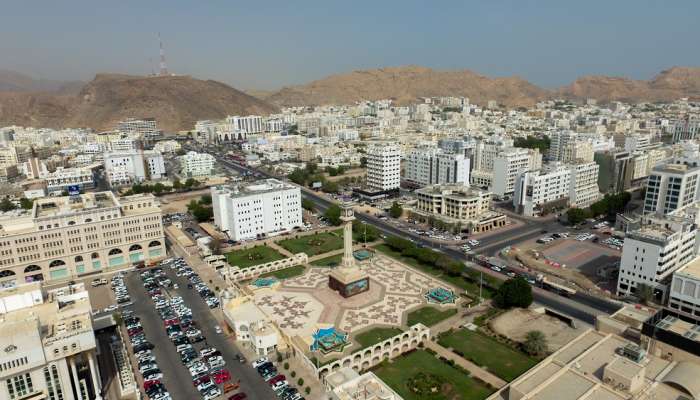

The Sultanate of Oman is undergoing a significant economic evolution, rapidly reshaping its financial landscape and positioning itself as a compelling destination for investment. Driven by a strong governmental commitment to modernization, the nation is implementing sweeping reforms to its financing system, attracting foreign capital, and laying the groundwork for sustainable growth in line with the ambitious “Oman 2040” vision. This transformation is already yielding positive results, with robust growth in the banking sector and a surge in digital payment adoption.
Growth in Oman’s Banking Sector
Recent data demonstrates a clear upward trajectory in Oman’s banking performance. Total credit extended by the banking sector has surpassed OMR34 billion, a tangible increase reflecting growing confidence in the Omani economy. This expansion is fueled by both public and private sector demand, with private sector credit reaching OMR28.2 billion by the end of September 2025, representing a 5.7% increase. Simultaneously, total deposits within the banking system have risen by 4.7% to OMR33.1 billion, with private sector deposits leading the way at 7.5%, reaching OMR22.3 billion.
The composition of these deposits reveals a diverse base. The personal sector holds the largest share (approximately 50%), followed by non-financial corporate entities (30.5%) and financial corporations (17.3%). This distribution underscores the increasing financial activity and liquidity circulating within the Omani economy. The growth in credit and deposits is a strong indicator of a healthy and dynamic Omani economy.
The Rise of Islamic Finance
Beyond traditional banking, the Islamic finance sector is experiencing remarkable growth in Oman. This provides investors with a wider range of financing options, particularly in areas like trade finance, asset financing, and support for small and medium enterprises (SMEs). Islamic banks and finance companies are introducing innovative products tailored to the needs of both local and international investors, further diversifying the financial ecosystem.
Supporting Small and Medium Enterprises (SMEs)
Recognizing the crucial role of SMEs in economic diversification, the Sultanate of Oman is actively working to improve their access to finance. Currently, SMEs represent 3.7% of the total loan portfolio. A national strategy, spearheaded by the Central Bank of Oman, the SME Development Authority, and local banks, aims to increase this percentage to 5%.
Key initiatives include streamlining credit assessment processes, reducing collateral requirements, and establishing specialized financing units within banks dedicated to serving SMEs. These efforts are designed to foster entrepreneurship and drive growth in this vital sector of the Oman investment climate.
Legislative Reforms and Market Development
The Omani government is committed to modernizing the legal framework governing the financial sector. The recently enacted Banking Law introduces significant changes, including regulations for digital banking services, prohibitions against shell banks, and enhanced governance and consumer protection measures.
The establishment of the Financial Services Authority (FSA) has further restructured the non-banking financial services sector, bringing the Muscat Stock Exchange, insurance companies, and the accounting and auditing profession under its oversight. The FSA has launched a comprehensive incentive program to encourage family and private companies to transition into public or closed joint-stock companies, fostering greater transparency and access to capital.
Incentivizing Public Listing
This program includes attractive tax incentives and streamlined procedures to facilitate listing on the Muscat Stock Exchange. A dedicated “Promising Companies Market” has been created to attract SMEs and startups, providing a platform for growth and investment. His Excellency Abdullah bin Salem Al Salmi, Chairman of the FSA, emphasized the program’s goal of promoting sustainable business practices and long-term stability.
He highlighted the importance of these companies in contributing to the national economy through job creation, export diversification, and the adoption of robust governance standards. The FSA’s initiatives are designed to position the capital market as a key financing tool, attracting savings and directing them towards productive economic projects.
Embracing Fintech and Digital Payments
Oman is actively developing its financial technology (Fintech) environment. A regulatory sandbox allows startups to test innovative financial products and services in a controlled setting, fostering experimentation and growth. The development of an open banking framework will enable secure data sharing and facilitate the creation of advanced financial services.
The adoption of digital payment systems is also accelerating rapidly. The number of mobile payment transactions has surged from less than 5 million three years ago to approximately 40 million annually, supported by advanced national payment infrastructure, including real-time gross settlement and electronic clearing systems. This shift towards digital payments enhances efficiency, reduces reliance on cash, and creates a more secure operating environment for businesses and consumers.
A Promising Future for Oman’s Financial Sector
The Sultanate of Oman’s commitment to financial sector reform, coupled with its strong economic fundamentals and strategic location, is creating a highly attractive investment environment. The recent credit rating upgrades from Standard & Poor’s and Moody’s – affirming a BBB- rating with a stable outlook and raising the rating to Baa3 respectively – demonstrate growing international confidence in the Omani economy.
With ongoing initiatives to support SMEs, develop the capital market, and embrace Fintech, Oman is well-positioned to achieve its ambitious “Oman 2040” vision and emerge as a leading regional economy. To learn more about investment opportunities in Oman, explore resources from the Ministry of Commerce, Industry & Investment Promotion and the Oman Chamber of Commerce and Industry.