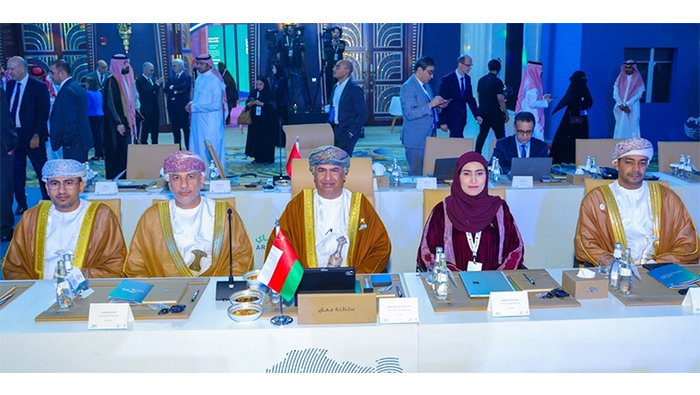

The Sultanate of Oman actively participated in crucial meetings of the Arab Organization of Supreme Audit Institutions (ARABOSAI) held this week in Jeddah, Kingdom of Saudi Arabia. These discussions focused on strengthening financial oversight and accountability across the Arab world, with a particular emphasis on aligning with international standards and achieving sustainable development goals. The Omani delegation’s involvement underscores the nation’s commitment to robust ARABOSAI collaboration and best practices in auditing.
Oman Strengthens Commitment to Financial Governance at ARABOSAI Meetings in Jeddah
The recent ARABOSAI gatherings in Jeddah provided a vital platform for member states to address key challenges and opportunities in public sector auditing. Led by Sheikh Ghosn bin Hilal Al Alawi, Chairman of the State Financial and Administrative Audit Authority, the Omani delegation engaged in detailed discussions surrounding institutional capacity building, professional standards, and the effective monitoring of progress towards the United Nations’ Sustainable Development Goals (SDGs). This participation highlights Oman’s dedication to transparency and responsible financial management.
Key Discussions at the Executive Council Meetings
The 69th and 70th meetings of the ARABOSAI Executive Council were particularly productive. A significant portion of the agenda was dedicated to reviewing reports from specialized panels. These panels are instrumental in driving improvements in several critical areas.
Specifically, discussions centered on:
- Institutional Capacity Building: Strategies to enhance the skills and resources of supreme audit institutions (SAIs) across the Arab region.
- Professional and Oversight Standards: Harmonizing auditing practices with globally recognized benchmarks, ensuring consistency and quality.
- Sustainable Development Goals (SDGs) Monitoring: Developing effective mechanisms for SAIs to assess government performance in achieving the SDGs.
- Information Technology: Leveraging technology to improve audit efficiency, effectiveness, and data analysis.
Additionally, the Executive Council formally endorsed the 2024 final account and approved the financial programme for the period 2026-2028, demonstrating a commitment to long-term financial stability and planning within the organization. This financial planning is crucial for the continued success of ARABOSAI initiatives.
General Assembly Focuses on Implementation and Financial Health
The 15th session of the ARABOSAI General Assembly built upon the groundwork laid by the Executive Council. The primary focus was on evaluating the implementation of the work programme agreed upon during the previous General Assembly. The Executive Council’s report detailed the steps taken to ensure these initiatives were effectively carried out.
Review of Financial Performance and Audited Statements
A key element of the General Assembly’s agenda was a comprehensive review of the organization’s financial standing. The Chairman of the Executive Council presented a report outlining the current financial situation of ARABOSAI. This transparency is paramount for fostering trust among member states. Furthermore, the session included the crucial approval of the audited financial statements from the preceding term, reinforcing accountability and sound financial practices. Regular financial audits are essential for maintaining the integrity of any public organization, and ARABOSAI is no exception.
The Importance of Regional Cooperation in Audit
Events like these underscore the growing importance of regional cooperation in strengthening financial governance. Sharing knowledge and best practices allows member states to address common challenges more effectively. The meetings in Jeddah were an excellent opportunity for Oman to contribute to these collaborative efforts and benefit from the experiences of other nations. This collaborative spirit is essential for tackling complex financial issues in the modern world.
The participation of the Sultanate of Oman in the ARABOSAI meetings also speaks to the country’s broader vision of economic diversification and sustainable development. Robust financial oversight is a vital component of creating a stable and attractive environment for investment. This, in turn, supports Oman’s long-term economic goals. Focusing on government accountability is more vital now than ever.
Looking Ahead: Continued Collaboration and Impact
The discussions held in Jeddah are expected to have a significant and lasting impact on the development of public sector auditing across the Arab world. By working together through organizations like ARABOSAI, member states can enhance their ability to protect public funds, promote transparency, and ensure that resources are used effectively to achieve sustainable development.
The Sultanate of Oman’s commitment to this regional body and its principles is clear, and continued engagement will be key to realising the full potential of collective action in bolstering financial governance. We encourage readers to learn more about ARABOSAI and its initiatives by visiting their official website and exploring the resources available on promoting sound financial management in the Arab region.