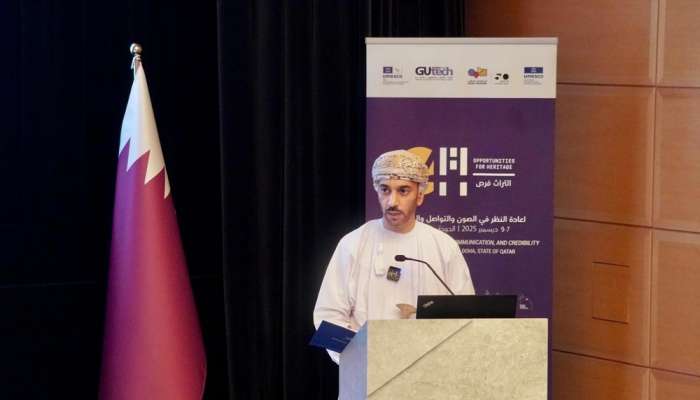

The Sultanate of Oman is increasingly recognized for its innovative approach to heritage tourism, and its recent participation in the “Heritage Opportunities” conference in Doha underscored this reputation. The conference, a significant event for cultural preservation and sustainable tourism in the region, provided a platform for Oman to showcase its successful strategies for integrating local communities into the management and benefit of its rich historical sites. Hosted by the UNESCO Regional Office, the event highlighted best practices and future opportunities for leveraging cultural assets.
Oman Showcases its Heritage Tourism Model in Doha
The second edition of the “Heritage Opportunities” conference, held in Doha, Qatar, saw the Sultanate of Oman actively contribute to discussions surrounding the preservation and economic utilization of cultural heritage. Eng. Ibrahim Said Al Kharousi, Undersecretary of the Ministry of Heritage and Tourism for Heritage, led the Omani delegation and presented a compelling case study of the nation’s achievements. The conference, organized in collaboration with the UNESCO Chair on World Heritage and Sustainable Tourism Management at the German University of Technology in Muscat, focused on fostering collaboration and knowledge sharing across the Gulf States and Yemen.
Community Involvement: The Cornerstone of Omani Success
A central theme of Oman’s presentation was the vital role of local communities in the success of its heritage tourism initiatives. Eng. Al Kharousi emphasized that the Sultanate views local populations not merely as residents of historical areas, but as key partners in their management, operation, conservation, and preservation. This approach aligns directly with UNESCO guidelines, ensuring that development respects and enhances cultural and social sustainability.
Sustainable Practices and UNESCO Alignment
Oman’s commitment to UNESCO’s principles is evident in its long-term vision for heritage sites. Rather than solely focusing on economic gains, the Sultanate prioritizes the preservation of cultural identity and the well-being of the communities connected to these sites. This holistic approach has proven to be a powerful driver of sustainable development, attracting responsible tourism and fostering a sense of pride among local residents.
Innovative Partnership Models for Heritage Site Management
The Omani experience isn’t limited to theoretical frameworks; it’s built on practical, innovative models. Eng. Al Kharousi highlighted the program for operating and managing 28 historical sites through the private sector as a prime example. This initiative strategically involves a diverse range of stakeholders, including small and medium enterprises (SMEs), both local and international companies, and even endowment institutions.
Economic and Social Benefits of Privatization
This public-private partnership model has yielded significant benefits. It has demonstrably generated both direct and indirect employment opportunities within the heritage sector. Furthermore, it has spurred the revitalization of old neighborhoods and traditional markets, breathing new life into areas steeped in history. Perhaps most importantly, the program incentivizes owners of historical houses to preserve their properties, transforming them into valuable tourism and cultural projects. This preservation of cultural sites is crucial for maintaining Oman’s unique identity.
Heritage as a Driver for Continuous Development
Eng. Al Kharousi powerfully asserted that heritage isn’t simply a relic of the past, but a dynamic force for continuous development. The Omani experience demonstrates that effectively leveraging cultural assets can deliver substantial economic, cultural, and social benefits to individuals and communities. This, in turn, strengthens national identity and ensures that younger generations remain connected to their roots.
The Role of Cultural Identity in Tourism
The success of Oman’s approach lies in its understanding that authentic cultural experiences are increasingly sought after by tourists. By empowering local communities to shape the narrative and manage the presentation of their heritage, Oman offers visitors a genuine and enriching experience that goes beyond superficial sightseeing. This focus on authenticity is a key differentiator in the competitive tourism industry.
Looking Ahead: Oman’s Vision for Heritage Preservation
Oman’s participation in the Doha conference wasn’t just about sharing its successes; it was also about learning from others and forging new collaborations. The Sultanate is committed to continuing its innovative approach to heritage tourism, ensuring that its rich cultural legacy is preserved for generations to come. The insights shared at the conference will undoubtedly inform future policies and initiatives, further solidifying Oman’s position as a leader in sustainable cultural tourism in the region.
The Omani model provides valuable lessons for other nations seeking to balance economic development with cultural preservation. By prioritizing community involvement and fostering innovative partnerships, Oman has demonstrated that heritage can be a powerful engine for sustainable growth and national pride. To learn more about Oman’s heritage initiatives, visit the Ministry of Heritage and Tourism’s website or explore the UNESCO Regional Office for the Gulf States and Yemen’s resources.