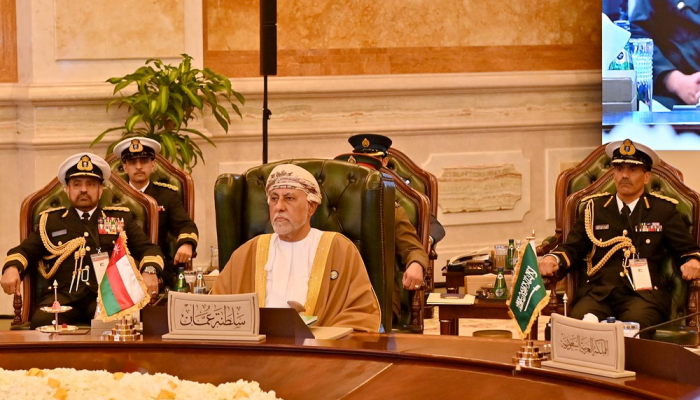

The Sultanate of Oman actively reinforced its commitment to regional security this week by participating in the 22nd session of the GCC (Gulf Cooperation Council) Joint Defence Council, held in Kuwait. This significant gathering focused on bolstering GCC military cooperation and addressing evolving challenges within the region. Headed by His Highness Sayyid Shihab bin Tarik Al Said, Deputy Prime Minister for Defence Affairs, Oman’s delegation engaged in crucial discussions aimed at fortifying collective defense capabilities.
Oman’s Participation in the GCC Joint Defence Council Meeting
The recent convening of the GCC Joint Defence Council in Kuwait underscored the importance of collaborative security efforts amongst member states. Oman’s presence, led by HH Sayyid Shihab bin Tarik Al Said, signals a strong dedication to maintaining peace and stability in the Gulf region. The meeting provided a platform for in-depth analysis of proposed advancements and a review of existing joint initiatives.
Key Discussions and Agenda Items
The agenda for the 22nd session was meticulously prepared by the higher military committee comprising the Chiefs of Staff of the Armed Forces of all GCC states. Discussions centered around enhancing cooperation on a wide array of defense matters, including counter-terrorism strategies, cybersecurity protocols, and coordinated military exercises. A key focus was on adapting to modern warfare techniques and ensuring interoperability between the armed forces of different nations. This focus on regional defense is paramount given the complex geopolitical landscape.
Review of Existing Military Cooperation
Ministers dedicated a substantial portion of the meeting to evaluating the progress made in existing areas of joint military cooperation. This included assessing the effectiveness of previous exercises, identifying areas for improvement in information sharing, and streamlining logistical support for joint operations. The review highlighted several successful initiatives, but also acknowledged the need for continued investment and innovation to stay ahead of emerging threats.
Specifically, the council examined the implementation of decisions made during previous summits, ensuring that commitments were being translated into tangible results. This proactive approach demonstrates the GCC’s commitment to accountability and continuous improvement in its defense strategies.
Strengthening GCC Security Architecture
The overarching goal of the meeting was to strengthen the GCC’s security architecture and ensure that it remains responsive to the evolving challenges facing the region. This involves not only enhancing military capabilities but also fostering closer political and diplomatic coordination amongst member states. Participants emphasized that a unified approach is essential to effectively address issues such as maritime security and the proliferation of advanced weaponry.
The ministers recognized the significance of promoting a comprehensive security framework that encompasses all dimensions of the threat landscape. This included acknowledging the growing importance of non-traditional security threats, such as climate change and resource scarcity, which can exacerbate existing tensions and create new vulnerabilities. Energy security was also indirectly addressed as a factor influencing regional stability.
Recommendations and Decisions for the Supreme Council
Following thorough deliberation, the ministers formulated a series of decisions and recommendations intended to elevate the level of GCC military cooperation. These proposals will now be submitted to the Supreme Council of GCC Leaders for final consideration and approval. The anticipated decisions likely involve increased funding for joint military projects, the establishment of new training centers, and the development of standardized operational procedures.
The recommendations are expected to provide a clear roadmap for future collaboration, outlining specific timelines and milestones for achieving key objectives. These will contribute to a more robust and integrated defense system across the GCC nations.
Oman’s Delegation and Future Outlook
His Highness Sayyid Shihab bin Tarik Al Said was accompanied by Vice Admiral Abdullah Khamis Al Raisi, Chief of Staff of the Sultan’s Armed Forces (SAF), and a team of senior SAF officers. Their presence underscored the Sultanate of Oman’s commitment to actively contributing to the discussions and shaping the future direction of GCC defense policy. The delegation’s expertise and insights were highly valued by other participants.
The conclusion of the 22nd session of the Joint Defence Council saw ministers reaffirming the importance of sustained collaboration. They stressed the need to upgrade joint efforts to consolidate military cooperation, aligning these with the strategic objectives set forth by the GCC leaders. This commitment to strengthening regional defense is a positive sign for the future stability of the Gulf region.
Looking ahead, continued dialogue and collaboration will be crucial in addressing the complex security challenges that lie ahead. The outcome of this meeting in Kuwait represents a significant step towards achieving a more secure and prosperous future for all GCC member states and reinforces the importance of collective action in safeguarding shared interests. Further updates on the decisions of the Supreme Council are keenly awaited as they shape the future of GCC military cooperation.