

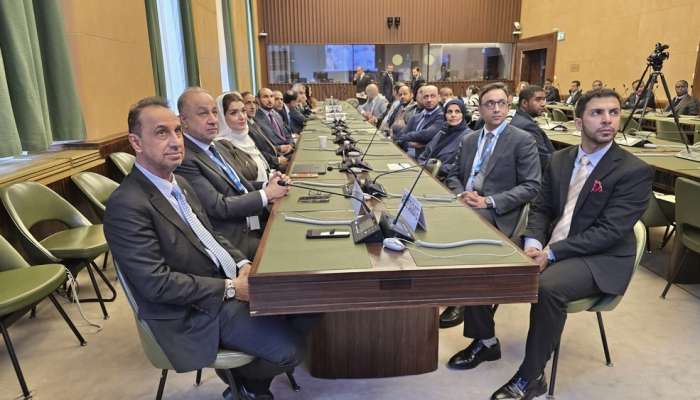

The Sultanate of Oman is actively strengthening its commitment to human rights on the international stage. Recently, the Oman Human Rights Commission (OHRC) hosted a significant side event at the Palais des Nations in Geneva, showcasing the nation’s progress and fostering collaboration with global partners. This event served as a platform to highlight Oman’s dedication to upholding human rights standards and its evolving approach to protecting them, demonstrating a proactive stance within the international human rights framework.
Oman Human Rights Commission Showcases National Experience in Geneva
The OHRC’s event, organized in close cooperation with the Permanent Mission of Oman to the United Nations and other International Organizations in Geneva, aimed to present a comprehensive overview of the Commission’s role and achievements. It wasn’t simply a presentation of policies, but a demonstration of practical implementation and a commitment to continuous improvement. The focus was on building bridges with international stakeholders, exchanging best practices, and enhancing overall cooperation in the field of human rights.
Key Objectives of the Geneva Event
The event centered around several core objectives. These included highlighting the OHRC’s institutional role, fostering international collaboration, and sharing expertise. A crucial aspect was presenting the unique features of Oman’s approach to human rights, particularly its emphasis on the rule of law and its integration of economic development with human dignity. The OHRC also aimed to provide a clear and reliable account of its work, including its awareness programs and complaint mechanisms.
Focus Areas: Business, Labor Rights, and Reporting
The event featured three specialized working papers that delved into specific areas of Oman’s human rights efforts. These papers provided detailed insights into the Commission’s methodologies and initiatives.
Business and Human Rights
The first paper addressed the increasingly important intersection of “Business and Human Rights.” It explored how Oman is working to ensure that economic development aligns with international human rights standards. The OHRC presented its assessment tools, recommendation processes, and follow-up mechanisms, alongside examples of guiding manuals developed to promote responsible business conduct. This demonstrates a commitment to corporate social responsibility and ethical economic practices.
Protecting Labor Rights
A significant portion of the discussion focused on the promotion and protection of labor rights. The second working paper detailed the OHRC’s field monitoring activities, which cover working conditions, housing for laborers, and occupational safety. It also outlined the procedures for receiving, verifying, and addressing complaints, ensuring that workers have access to effective remedies. This focus on labor standards reflects Oman’s dedication to fair and equitable treatment for all workers.
Transparency and International Cooperation through Reporting
The third paper highlighted the importance of transparent reporting and international collaboration. It explained the methodology used for preparing “shadow reports” – also known as parallel reports – in accordance with UN guidelines. These reports provide an independent assessment of Oman’s human rights record and contribute to a more comprehensive understanding of the situation. The OHRC emphasized that these reports are vital for expanding international participation and strengthening cooperation on human rights issues.
Strengthening Institutional Framework and Community Trust
Dr. Rashid Hamad Al Balushi, Chairman of the OHRC, underscored the Sultanate of Oman’s belief that genuine stability is rooted in the rule of law and the protection of human rights. He outlined the Commission’s evolution since its establishment in 2008, noting its recent reorganization under Royal Decree No. 57/2022. This decree significantly strengthened the Commission’s independence and clarified its competencies.
The Chairman highlighted the importance of accessibility, stating that a truly mature National Human Rights Institution (NHRI) must be readily available to the people it serves. The OHRC has developed a robust system for receiving and addressing reports and complaints, offering multiple channels for access while safeguarding privacy and ensuring procedural fairness. The increasing number of reports received – over 1,000 annually – is seen as a positive sign, indicating growing community trust and awareness of the Commission’s role.
Utilizing Human Rights Indicators and Engaging with International Treaties
Dr. Al Balushi also discussed the use of “Human Rights Indicators” as a scientific tool for measuring progress and informing policy decisions. The OHRC has conducted specialized workshops to develop a relevant indicator manual for Oman, enabling a more data-driven approach to human rights work. Furthermore, Oman’s active engagement with the international human rights system was emphasized, noting its membership in eight out of the nine core international human rights treaties. This demonstrates a clear commitment to upholding universal standards and participating in global efforts to promote and protect human rights. The country is also actively working on improving its international relations through these engagements.
The OHRC’s event in Geneva was a resounding success, providing a valuable platform for dialogue and collaboration. By showcasing its national experience, highlighting its achievements, and reaffirming its commitment to the rule of law, Oman has demonstrated its dedication to advancing human rights both domestically and internationally. Continued engagement with international partners and a focus on evidence-based policymaking will be crucial as Oman continues to strengthen its human rights framework and build a more just and equitable society.