
The Sultanate of Oman has embarked on a new era of economic and social transformation with the launch of its Eleventh Five-Year Development Plan (2026-2030). This ambitious plan, the second executive roadmap for the overarching “Oman Vision 2040,” aims to propel the nation towards a prosperous and sustainable future, targeting an economic growth rate of approximately 4 percent. It signifies a crucial step in Oman’s journey towards diversification and resilience in a rapidly changing global landscape.
Oman’s Eleventh Five-Year Plan: A Roadmap to Sustainable Growth
The newly unveiled plan isn’t simply a continuation of previous efforts; it represents a fundamental phase in Oman’s evolution. It’s built on principles of efficiency, sustainability, and competitiveness, with a strong emphasis on fiscal responsibility and diversifying the economy away from its traditional reliance on oil. This focus on economic diversification is paramount, particularly given the current global economic climate and the urgent need to address climate change.
The plan acknowledges the need for a gradual transition to a low-carbon economy, aligning with international commitments to mitigate climate change and preserve Oman’s natural resources for future generations. This commitment to sustainability is woven throughout the plan’s objectives and initiatives.
A Phased Approach: Work Programs and Pathways
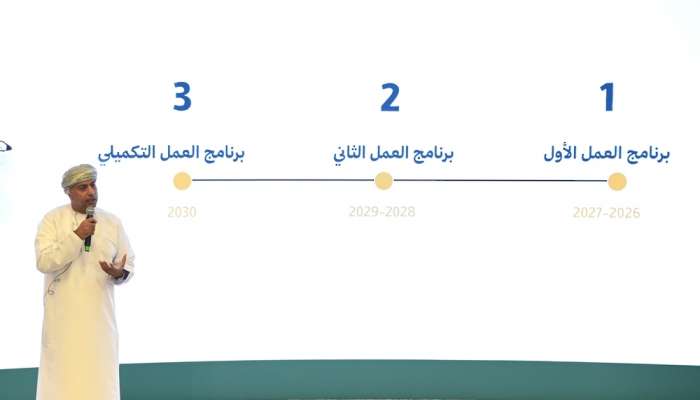
The Eleventh Five-Year Development Plan is structured around a dynamic timeline, segmented into three distinct work programs: 2026-2027, 2028-2029, and a final complementary program in 2030 dedicated to evaluation and preparation for the Twelfth Five-Year Plan. This phased approach allows for flexibility and adaptation based on performance and evolving circumstances.
Beyond the temporal structure, the plan operates along two principal pathways:
The Economic Pathway
This pathway focuses on leveraging economic strengths to overcome challenges and drive sustainable diversification. Key objectives include boosting national export capacity and creating significant job opportunities for Omani citizens. It prioritizes sectors with high growth potential, aiming to stimulate economic activity and enhance Oman’s global competitiveness.
The Developmental Pathway
Complementing the economic focus, the Developmental Pathway concentrates on strengthening infrastructure and addressing broader developmental needs. This includes ensuring balanced social and environmental progress, and ultimately, elevating household income in line with the aspirations of Oman Vision 2040. This pathway recognizes that economic growth must be inclusive and benefit all segments of society.
Key Sectors and Job Creation
The plan identifies three core sectors as engines of future growth: Manufacturing Industries, Tourism, and the Digital Economy. These sectors are expected to contribute significantly to GDP and generate a substantial number of jobs. Supporting sectors, including Mining, Food Security, Renewable Energy, Transport and Logistics, Education, and Health, will play a crucial role in enabling the success of these core industries.
A key promise of the Eleventh Five-Year Plan is job creation. Building on the success of the Tenth Plan (2021-2025), which generated 175,000 jobs, the new plan aims to create an additional 300,000 positions over the next five years – an average of 60,000 annually, split between the public (10,000) and private (50,000) sectors. This focus on employment opportunities is central to Oman’s vision for a prosperous future.
Investment and Financial Framework
Realizing the ambitious goals of the Eleventh Five-Year Plan requires substantial investment. The plan necessitates approximately RO 15.6 billion in funding, channeled towards pivotal economic and social sectors.
Key financial targets include:
- A GDP growth rate of 4.6% at current prices and 4% at constant prices.
- An investment-to-GDP ratio of 28% at current prices.
- Foreign Direct Investment (FDI) inflows representing 11% of GDP.
- An inflation ceiling of 2%.
- Private sector contribution to GDP reaching 56% at current prices.
The financial framework is based on an assumed oil price of $60 per barrel, with projected average revenues of RO 11.556 billion and average public expenditure of RO 12.222 billion, resulting in an estimated average deficit of RO 666 million. A significant portion of non-oil revenues is expected to contribute to total general revenues by the plan’s conclusion.
Performance Management and Implementation
To ensure effective implementation and tangible results, the Eleventh Five-Year Plan incorporates a rigorous performance management system. Clear indicators will be used to track progress towards goals and programs, allowing for timely adjustments and ensuring efficient execution. The success of the previous plan, with a 97% implementation rate (398 out of 411 strategic programs achieved), demonstrates Oman’s commitment to delivering on its promises.
In conclusion, the Eleventh Five-Year Development Plan represents a bold and comprehensive vision for Oman’s future. By prioritizing economic diversification, sustainability, and job creation, and by adopting a phased and data-driven approach, Oman is positioning itself for sustained growth and prosperity. This plan is not just a set of economic targets; it’s a commitment to improving the lives of all Omanis and building a brighter future for generations to come. To learn more about Oman Vision 2040 and the nation’s development goals, visit the official Ministry of Economy website.