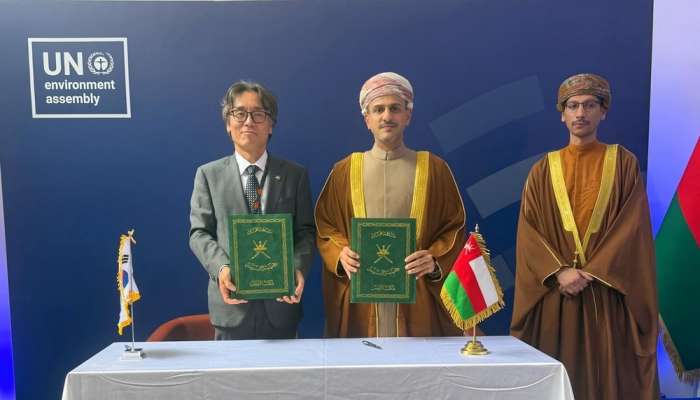

In a significant move towards bolstering international environmental cooperation, the Sultanate of Oman and the Republic of Korea have formalized a partnership aimed at tackling pressing global challenges. The two nations signed a Memorandum of Understanding (MoU) in Nairobi, Kenya, on the sidelines of the Seventh Session of the United Nations Environment Assembly (UNEA-7), demonstrating a shared commitment to environmental cooperation and sustainable development. This agreement signifies a deepening of ties and a proactive approach to safeguarding the planet for future generations.
Strengthening Bilateral Ties Through Environmental Cooperation
The MoU represents a strategic step in enhancing the bilateral relationship between Oman and South Korea. Both countries recognize the increasing urgency of addressing environmental issues, and this partnership provides a framework for joint action. The agreement is built on the principles of equality and mutual benefit, ensuring that both nations contribute and gain from the collaborative efforts. This focus on shared values is crucial for the long-term success of any international partnership, particularly in the complex field of sustainable development.
The signing ceremony took place amidst the important discussions at UNEA-7, highlighting the global context of this collaboration. Dr. Abdullah bin Ali Al Amri, Chairman of the Environment Authority of Oman, and Kum Hanseung, Vice Minister of Climate, Energy, and Environment of the Republic of Korea, officially signed the MoU, solidifying their respective nations’ dedication to environmental stewardship.
Key Areas of Collaboration Outlined in the MoU
The scope of the environmental cooperation outlined in the MoU is comprehensive, covering a wide range of critical areas. It’s a multi-faceted approach designed to address both immediate concerns and long-term sustainability goals. Several key areas have been identified as priorities for joint effort:
Air and Water Quality Management
Recognizing the detrimental effects of pollution, the MoU prioritizes collaboration on air and water quality management. This includes sharing best practices, technologies, and expertise to reduce emissions, improve monitoring systems, and protect vital water resources. Addressing these issues is paramount for public health and ecosystem preservation.
Biodiversity Conservation and Land Restoration
Protecting biodiversity and combating desertification are also central to the agreement. Oman and South Korea will work together to conserve endangered species, restore degraded lands, and promote sustainable land use practices. This is particularly important in regions vulnerable to climate change and land degradation.
Circular Economy and Waste Management
The MoU emphasizes the importance of transitioning towards a circular economy, minimizing waste, and maximizing resource efficiency. This involves promoting recycling initiatives, developing innovative waste management technologies, and fostering a culture of responsible consumption. This aspect of the agreement aligns with global efforts to reduce environmental impact and promote resource security.
Climate Change Mitigation and Adaptation
With the escalating impacts of climate change, the MoU dedicates significant attention to developing responses. This includes exploring carbon reduction technologies, investing in adaptation infrastructure, and sharing knowledge on climate resilience strategies. The partnership will also support the transition to a green economy, focusing on areas like hydrogen energy and green building practices.
Mechanisms for Implementation and Knowledge Exchange
The MoU doesn’t just outline areas of cooperation; it also establishes mechanisms for effective implementation. A key component is the exchange of information and expertise between the two countries. This will involve sending specialists to share knowledge, conducting joint research projects, and facilitating staff training programs.
Furthermore, the agreement encourages the organization of seminars and workshops to foster dialogue and collaboration. These events will provide platforms for experts from both nations to discuss challenges, share solutions, and build lasting relationships. This continuous exchange of ideas is vital for driving innovation and achieving meaningful progress in environmental cooperation.
The partnership also anticipates collaborative project development, allowing Oman and South Korea to pool resources and expertise to address specific environmental challenges. This could involve joint initiatives in renewable energy, sustainable agriculture, or ecosystem restoration.
A Shared Vision for a Sustainable Future
The signing of this MoU between the Sultanate of Oman and the Republic of Korea is a positive development in the global effort to address environmental challenges. It demonstrates a commitment to proactive collaboration and a shared vision for a sustainable future. By focusing on key areas like air and water quality, biodiversity conservation, and climate change mitigation, the partnership has the potential to deliver significant benefits for both nations and the wider world. This commitment to sustainable development is a model for other countries seeking to strengthen their environmental partnerships.
The success of this MoU will depend on continued commitment, effective implementation, and a willingness to adapt to evolving challenges. It is a crucial step towards building a more resilient and sustainable planet for current and future generations. To learn more about Oman’s environmental initiatives, visit [link to Oman Environment Authority website – placeholder]. For information on South Korea’s climate action plans, explore [link to Korean Ministry of Environment website – placeholder].