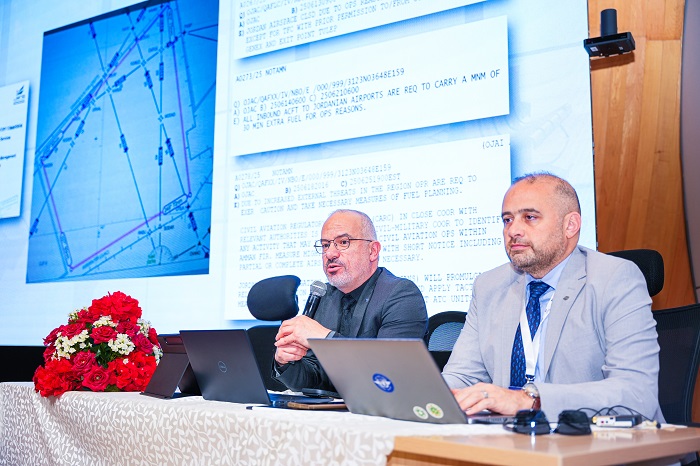

The Sultanate of Oman is taking a leading role in enhancing aviation safety and efficiency across the Middle East. Represented by the Civil Aviation Authority (CAA), Oman is currently hosting a crucial two-day workshop focused on a new framework for air traffic contingency management. Organized by the International Civil Aviation Organization (ICAO), the workshop, which commenced today in Muscat, aims to bolster regional preparedness for unforeseen events and optimize air travel across borders.
Strengthening Regional Air Traffic Management
This workshop signifies a significant step towards a more coordinated and resilient air traffic contingency management system within the Middle East region (ME). The initiative directly addresses the increasing complexities of modern air travel and the need for robust emergency response protocols. Participants are delving into the requirements and objectives of emergency planning as defined by ICAO, examining the operational mechanisms of the ICAO Crisis Coordination Team, and learning from the experiences of neighboring regions like Asia and the Pacific.
Focus on Cross-Border Collaboration
A core element of the workshop is the exploration of cross-border coordination. Effective air traffic management relies heavily on seamless communication and collaboration between countries, especially during emergencies. The discussions are centered around developing and refining emergency plans that encompass neighboring nations and regions, ensuring a unified response to any potential disruptions. This collaborative approach is vital for maintaining safety and minimizing delays.
Additionally, the workshop is addressing the technological advancements crucial for modern air traffic control. Topics include automated connectivity, streamlined information exchange, and the operational challenges associated with implementing these technologies. These advancements are not merely about efficiency; they are fundamental to providing real-time situational awareness and enabling rapid decision-making during critical incidents.
ICAO Project 30/10 and Enhanced Efficiency
The workshop isn’t solely focused on emergency response. It also seeks to advance the goals of ICAO Project 30/10, a key initiative aimed at reducing longitudinal distances between flights as they transition between ICAO regions. Reducing these distances translates to shorter flight times, lower fuel consumption, and a reduced environmental impact. This project requires a high degree of coordination and the implementation of advanced airspace management techniques.
The reduction in longitudinal separation is a complex undertaking, requiring precise navigation and communication protocols. The workshop provides a platform for experts to share best practices and address the challenges associated with implementing Project 30/10 across the diverse airspace of the Middle East. Successful implementation will contribute significantly to the overall efficiency and sustainability of air travel in the region.
Building on Previous Regional Discussions
This current workshop is a direct follow-up to the Air Traffic Management (ATM) coordination meeting held in Muscat from February 1st to 3rd, 2026. That earlier meeting laid the groundwork for this more focused discussion on contingency planning and regional collaboration. The continuity between these events demonstrates Oman’s commitment to fostering a safer and more efficient aviation environment.
The ATM meeting identified key areas for improvement in regional air traffic control procedures. This workshop is now translating those identified needs into concrete action plans and strategies. The goal is to create a framework that is not only effective in responding to emergencies but also proactive in preventing them.
The Future of Air Traffic Contingency in the Middle East
The workshop in Muscat represents a proactive and vital step towards strengthening air traffic contingency management in the Middle East. By fostering collaboration, embracing technological advancements, and building upon previous regional discussions, the Sultanate of Oman, through the CAA and in partnership with ICAO, is playing a pivotal role in shaping the future of aviation safety and efficiency. The outcomes of this workshop will undoubtedly contribute to a more resilient and interconnected air travel network for the entire region.
As the workshop concludes, it is hoped that participants will return to their respective countries equipped with the knowledge and tools necessary to implement the new framework and enhance their national airspace management capabilities. Further collaboration and continued investment in technology will be essential to ensure the long-term success of these efforts. Stay tuned for updates on the implementation of these initiatives and their impact on air travel in the Middle East.