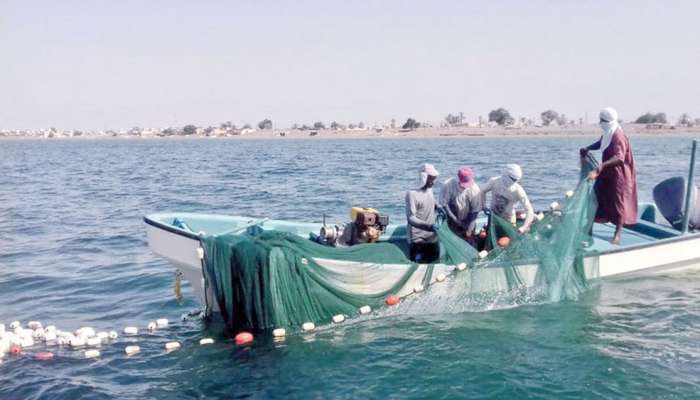

Oman’s rich marine environment has long been a cornerstone of its economy and culture. Central to maintaining this vital resource is the diligent protecting fish stocks, an undertaking of national importance that safeguards food security and supports the livelihoods of thousands of artisanal fishermen. Recognizing the pressures on these resources, the Sultanate has implemented comprehensive legislation and awareness programs designed to ensure the sustainability of its fisheries for generations to come.
Why Protecting Fish Stocks in Oman is Crucial
The Omani coastline is famed for its biodiversity and the abundance of fish it supports. This wealth directly contributes to the nation’s economic stability, providing employment and export revenue. However, unsustainable fishing practices pose a significant threat to these gains. Maintaining healthy fish stocks is not merely an economic imperative; it’s essential for preserving Oman’s cultural heritage and ensuring food security for its growing population. The future prosperity of coastal communities hinges on the effective management and conservation of these valuable marine resources.
Regulations and Enforcement for Sustainable Fishing
The Ministry of Agricultural Wealth, Fisheries and Water Resources plays a pivotal role in regulating Oman’s fisheries. Dr. Hussein bin Mohammed Al-Musqati, Director of the Fisheries Development Department, emphasized the ministry’s commitment to controlling fishing gear and practices. He highlighted that improper use of equipment, such as certain types of nets, can lead to increased bycatch – the unintentional capture of non-target species – and disrupt the delicate marine ecosystem.
Traditional Fishing Methods Under Scrutiny
Traditional fishing methods, including the use of coastal nets, remain prevalent in regions like North and South Al Batinah, Muscat, Musandam, and Dhofar. While these methods can be sustainable when practiced correctly, adherence to regulations is critical. These nets primarily target smaller fish like anchovies and wild fish during their specific seasons. When regulations are followed, any non-target species caught can be released safely. However, non-compliance can lead to ecological imbalances and damage to marine ecosystems.
Controlling Net Usage: Purse Seine and Circular Nets
The use of encircling or circular nets requires particularly careful oversight. The Ministry recognizes two distinct types: those designed to allow unintended catches to escape, and those that trap all fish within their perimeter. Dr. Al-Musqati stressed that irresponsible use of these nets can have a devastating medium and long-term impact on population levels. To mitigate these risks, the Ministry issues detailed regulations concerning net specifications, permitted fishing areas, seasonal restrictions, target species, and licensing requirements, all developed in collaboration with the Sea Law Committees.
Furthermore, seasonal bans are enforced on certain gear types. For example, purse seine nets are prohibited from August through November, a crucial period for protecting juvenile fish and enabling stock regeneration.
Protecting Fish Stocks: Collaboration and Modern Technology
Effective fisheries management necessitates close collaboration between multiple stakeholders. The Ministry works closely with the Coast Guard, Environment Authority, Sea Customs Committees, and the Omani Fishermen’s Association to monitor activities and combat illegal fishing. In recent times, this cooperation has been strengthened through agreements like the one with the Security and Safety Services Corporation.
Additionally, Oman is increasingly leveraging modern technology to enhance oversight. Vessel Monitoring Systems (VMS) are now used to track fishing boats in real-time, providing authorities with a comprehensive view of fishing activities. The ongoing project to equip all artisanal fishing vessels with electronic tracking devices represents a significant step forward in ensuring compliance and preventing illegal practices. Violations of regulations are met with graduated penalties, ranging from fines and equipment confiscation to license suspension, all applied with fairness and transparency.
The Impact of Bycatch and the Role of Awareness
Dr. Mona bint Hashel Al-Tarshi, a marine life management specialist at the Environment Authority, highlighted the detrimental effects of bycatch on vulnerable marine species like turtles, sharks, and marine mammals. This unintended capture disrupts food webs and contributes to declines in overall biodiversity, particularly affecting species with slow reproductive rates. She emphasized that continued bycatch poses a substantial threat to endangered species and the stability of Omani marine ecosystems.
Artisanal fishermen themselves acknowledge the importance of sustainability. Jassim bin Abu Bakr Al-Balushi, a local fisherman, pointed out that overfishing directly threatens both the marine environment and the economic viability of their traditional livelihoods. He stressed the need for heightened awareness among younger fishermen, promoting responsible fishing practices, and encouraging the reporting of any observed violations. He also noted the challenges posed by changing fishing seasons and evolving regulations regarding nets and long lines, underscoring the need for ongoing education and clear communication.
Ensuring a Future for Omani Fisheries
As Dr. Al-Musqati and Mr. Al-Balushi emphasize, protecting fish stocks is a collective responsibility shared by fishermen, regulatory bodies, and the broader community. The Sea Customs Committees play a crucial role in coordinating maritime activities, resolving conflicts, and promoting sustainable practices. Through strict adherence to laws, the adoption of sustainable fishing techniques, diligent monitoring, and continuous awareness campaigns, Oman is working to ensure the long-term health and productivity of its marine resources – safeguarding them for both present and future generations.