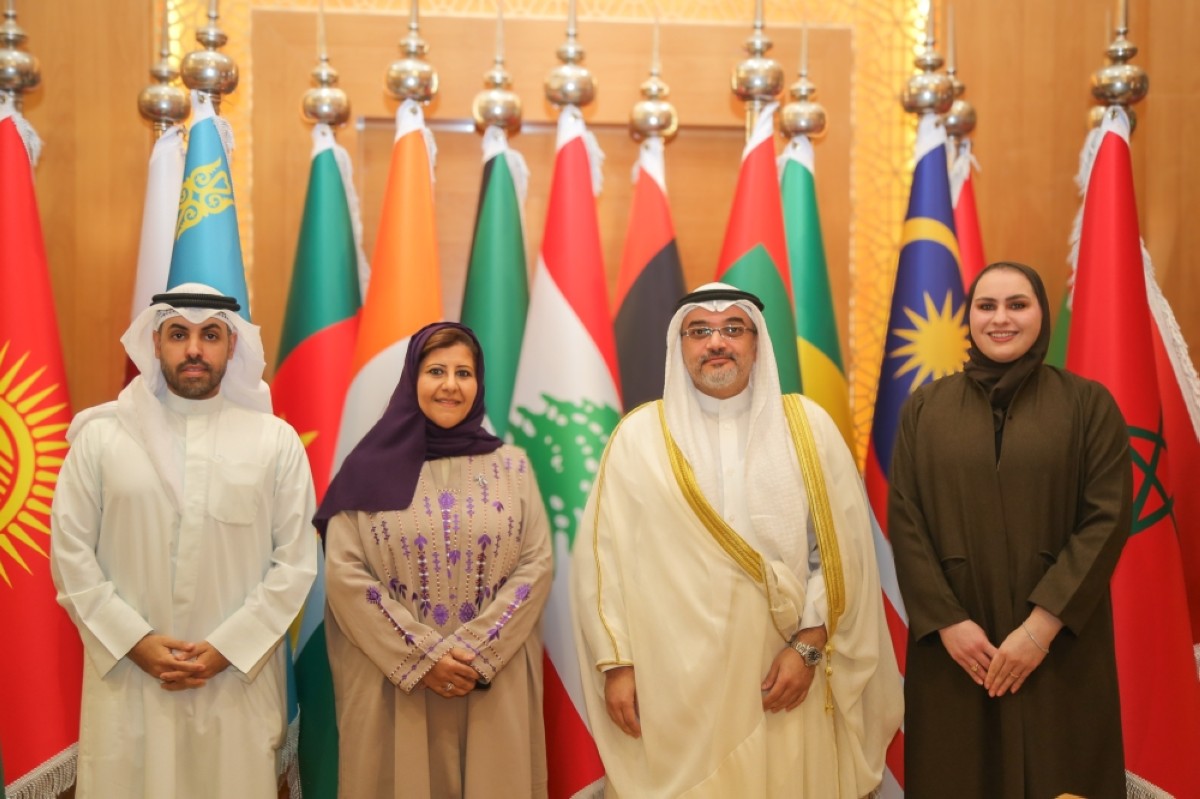

The 26th session of the Independent Permanent Human Rights Commission (IPHRC) of the Organization of Islamic Cooperation (OIC) convened in Jeddah this past Sunday, placing a significant spotlight on youth empowerment within the Islamic world. With Kuwait’s Assistant Foreign Minister for Human Rights, Ambassador Sheikha Jawaher Ibrahim Al-Duaij Al-Sabah, in attendance, the meeting underscores the OIC’s dedication to addressing the rights and needs of a demographic poised to shape the future. This gathering signifies a crucial step in formulating strategies to harness the potential of young people while mitigating challenges they face in an ever-evolving global landscape.
OIC Focuses on Youth Empowerment and Human Rights in Jeddah
The opening of the session at the OIC headquarters in Jeddah highlighted a key demographic reality: OIC member states are home to roughly 350.8 million young people, representing a substantial 30% of the global youth population. Ambassador Yousef Al-Dubaie, the OIC Assistant Secretary-General for Political Affairs, emphasized that this growing youth cohort presents both immense opportunities and considerable challenges relating to social and economic advancement.
The discussion recognizes that simply having a large youth population isn’t enough; strategic investment and supportive policies are vital. “Young people are not only our greatest asset but also our most powerful agents of change,” Ambassador Al-Dubaie stated, acknowledging their crucial role in driving progress. The session’s focus aims to translate this recognition into tangible actions.
Navigating Opportunities and Challenges for Young Muslims
The modern world offers an unprecedented level of access to information and technology, creating remarkable possibilities for self-improvement, innovation, and global connection. However, this era also brings economic instability, societal shifts, and escalating environmental concerns. These factors combine to form unique hurdles for young people across the OIC region.
The session deliberations acknowledge the complexities of these challenges. It’s not enough to simply offer opportunities; addressing systemic barriers and providing adequate support are crucial. This includes fostering an environment that promotes entrepreneurship and allows young people to participate meaningfully in governance. Furthermore, the emphasis on digital inclusion recognizes that access to technology is paramount in today’s world.
Key Themes of the Session
A central theme throughout the IPHRC session revolves around leveraging technology for positive change. Discussions will center on areas such as fostering digital literacy, ensuring cybersecurity, and promoting digital transformation efforts. Alongside technology, the importance of inclusive governance, skill development, and the protection of fundamental human rights within the framework of regional and international standards will also be thoroughly examined.
The session signifies a move toward a more holistic and integrated approach to youth development, recognizing the interconnectedness of these issues. It is geared toward crafting practical, actionable strategies, not just theoretical discussions.
Strengthening Partnerships for Greater Impact
To effectively address the challenges and capitalize on the opportunities, the OIC stressed the need for strong collaboration. The Commission aims to strengthen ties with the UN Inter-Agency Network on Youth Development and the UN Development Programme. This collaboration will facilitate the sharing of best practices and the coordination of efforts on a global scale.
Additionally, the OIC is prioritizing the establishment of collaborative frameworks among various stakeholders, including governments, civil society organizations, and the private sector. This multi-stakeholder approach is intended to ensure that youth engagement initiatives are comprehensive and sustainable. A unified front is considered essential for building a brighter future for young Muslims.
Operational Enhancements and a Clear Path Forward
Dr. Hadi Al-Yami, Executive Director of the Independent Permanent Human Rights Commission, announced significant improvements to the Commission’s internal operations. These enhancements include bolstering human resources with specialized personnel and investing in digital infrastructure to improve efficiency and communication with member states.
These operational upgrades are designed to support the implementation of the strategies developed during the session. The IPHRC is committed to creating a structured action plan for youth empowerment, complete with clear timelines, allocated budgets, and measurable key performance indicators. This commitment to accountability will be crucial in ensuring that the session’s outcomes translate into real-world impact.
The session will culminate in the adoption of a comprehensive declaration, serving as a guiding document for OIC member states and international partners. This declaration will summarize the key findings and recommendations, providing a roadmap for future policies and initiatives. The discussions, which continue through next Thursday, involve participation from member states, observer states, national human rights institutions, and experts from regional and international organizations. The first day’s focus on “Youth Development: Opportunities and Challenges from a Human Rights Perspective” set the stage for a productive and impactful week.
In conclusion, the 26th session of the IPHRC in Jeddah represents a pivotal moment for the OIC in its commitment to fostering a future where young Muslims are empowered to thrive. By prioritizing youth development, strengthening partnerships, and focusing on practical implementation, the OIC is laying the groundwork for a more just, prosperous, and dignified future for all its member states. The outcomes of this session will undoubtedly shape policies and initiatives for years to come, and it is vital that stakeholders remain engaged in the ongoing process of youth empowerment.