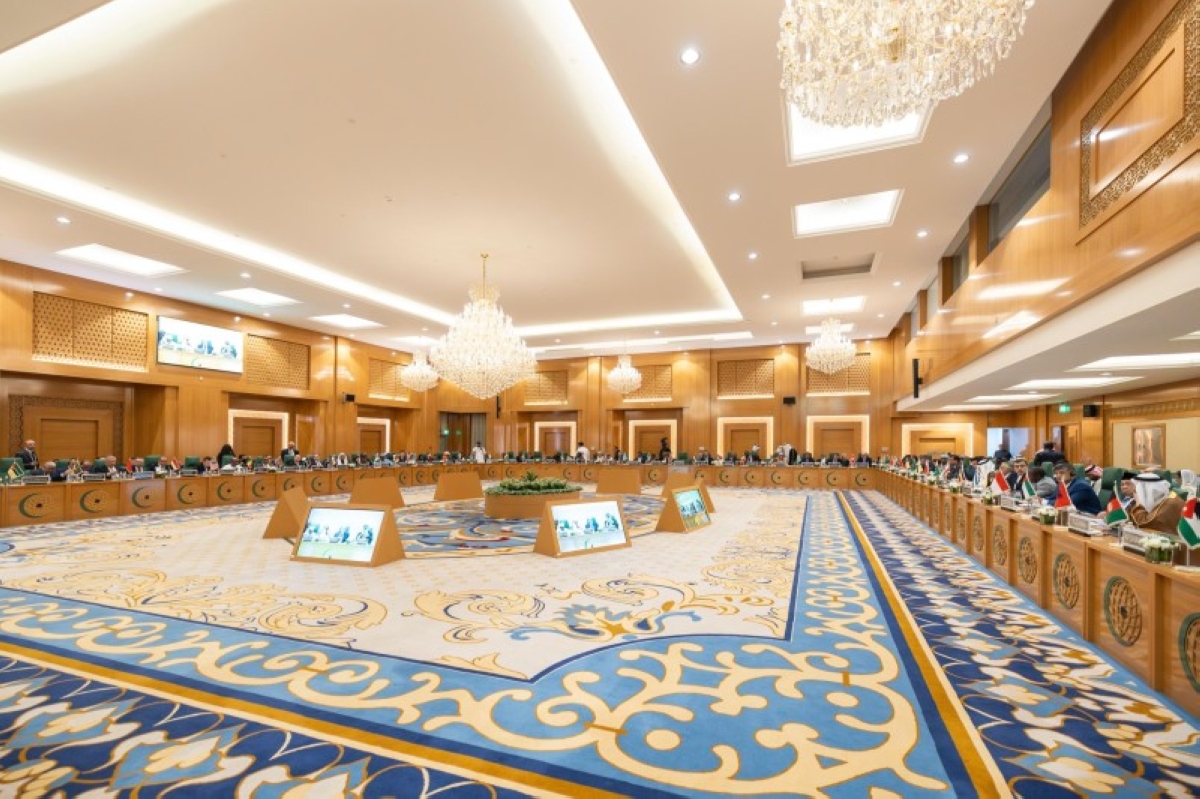

JEDDAH – The Organisation of Islamic Cooperation (OIC) convened an emergency meeting of its Council of Foreign Ministers on Saturday to address the escalating tensions surrounding Somalia and Israel’s recent recognition of the self-declared state of Somaliland. The session, held at the OIC General Secretariat headquarters in Jeddah, focused on the implications of Israel’s move for Somalia’s sovereignty and regional stability, alongside ongoing concerns regarding the situation in Palestine. The OIC’s response is being closely watched by international observers as it signals a unified Islamic stance on these critical geopolitical issues.
The extraordinary session was prompted by Israel’s announcement of its formal recognition of Somaliland, a region within Somalia that declared independence in 1991 but has not been internationally recognized. The meeting followed an earlier discussion at the level of permanent representatives on January 1st, highlighting the urgency felt by member states. The OIC represents 57 member states with a combined population of over 1.8 billion, making its pronouncements significant.
OIC Condemns Israel’s Recognition of Somaliland
OIC Secretary-General Hissein Taha opened the session by characterizing Israel’s recognition of Somaliland as a “dangerous precedent.” He argued the move violates international law and poses a direct threat to security in the Horn of Africa. The core issue revolves around the principle of territorial integrity and the potential for similar actions to destabilize other regions facing separatist movements.
According to the OIC, the recognition undermines ongoing efforts to mediate and resolve the long-standing dispute between Somalia and Somaliland. Somalia views Somaliland as an autonomous region, not a separate nation, and has consistently opposed any attempts to grant it international legitimacy. The Somali government has strongly condemned Israel’s decision, recalling its ambassador from Israel in protest.
Historical Context of Somaliland
Somaliland’s claim to independence stems from its distinct colonial history and the brutal civil war that followed Somalia’s collapse in 1991. While Somaliland has established a relatively stable government and held several peaceful elections, it lacks the widespread international recognition necessary for full statehood. Israel is the first UN-recognized country to formally acknowledge Somaliland’s independence.
The OIC’s concern extends beyond the immediate impact on Somalia. Analysts suggest the recognition could embolden other secessionist movements within the Islamic world, potentially leading to increased regional instability. Furthermore, the move is seen by some as part of a broader Israeli strategy to gain influence in the strategically important Horn of Africa region, a key area for geopolitical competition.
However, Israel has framed its decision as a pragmatic step to foster cooperation in areas such as security and counter-terrorism. The agreement with Somaliland includes provisions for security cooperation and potential economic ties. The Israeli Ministry of Foreign Affairs stated the recognition reflects a strategic assessment of the region and a desire to strengthen relationships with key actors.
Parallel Concerns Regarding Palestine
Alongside the discussion on Somalia, the OIC Secretary-General also addressed the ongoing conflict in Palestine. Taha called on Israel to fully implement the ceasefire agreement in Gaza, urging a complete withdrawal of Israeli forces and the unimpeded delivery of humanitarian aid. The situation in Gaza remains dire, with a significant portion of the population displaced and facing severe shortages of food, water, and medical supplies.
The OIC emphasized the need to prevent further displacement of Palestinians and facilitate the return of those who have been forced to leave their homes. They also advocated for the reopening of all border crossings to allow for the sustained flow of humanitarian assistance. A key proposal discussed was the convening of an international conference in Cairo dedicated to the reconstruction of Gaza, a project estimated to cost billions of dollars.
The OIC’s stance on Palestine aligns with long-standing international consensus, calling for a two-state solution based on the 1967 borders. The organization has consistently condemned Israeli settlements in the occupied West Bank and East Jerusalem as illegal under international law. The recent escalation of violence has renewed calls for a more robust international response to the conflict.
Ultimately, the Council of Foreign Ministers adopted two resolutions. The first reaffirmed the OIC’s support for Somalia’s sovereignty and territorial integrity, condemning Israel’s recognition of Somaliland. The second resolution strongly condemned Israel’s continued aggression against the Palestinian people and its plans for annexation and displacement. These resolutions represent a formal articulation of the OIC’s position on these critical issues.
Looking ahead, the OIC is expected to engage in diplomatic efforts to persuade other nations not to recognize Somaliland. The effectiveness of these efforts remains uncertain, as several countries are reportedly considering similar moves. Regarding Palestine, the OIC will continue to advocate for a comprehensive ceasefire and the resumption of peace negotiations. The next significant development to watch will be Israel’s response to the OIC resolutions and the progress towards implementing the ceasefire agreement in Gaza, as well as any further shifts in international policy towards Somalia and the Horn of Africa region.