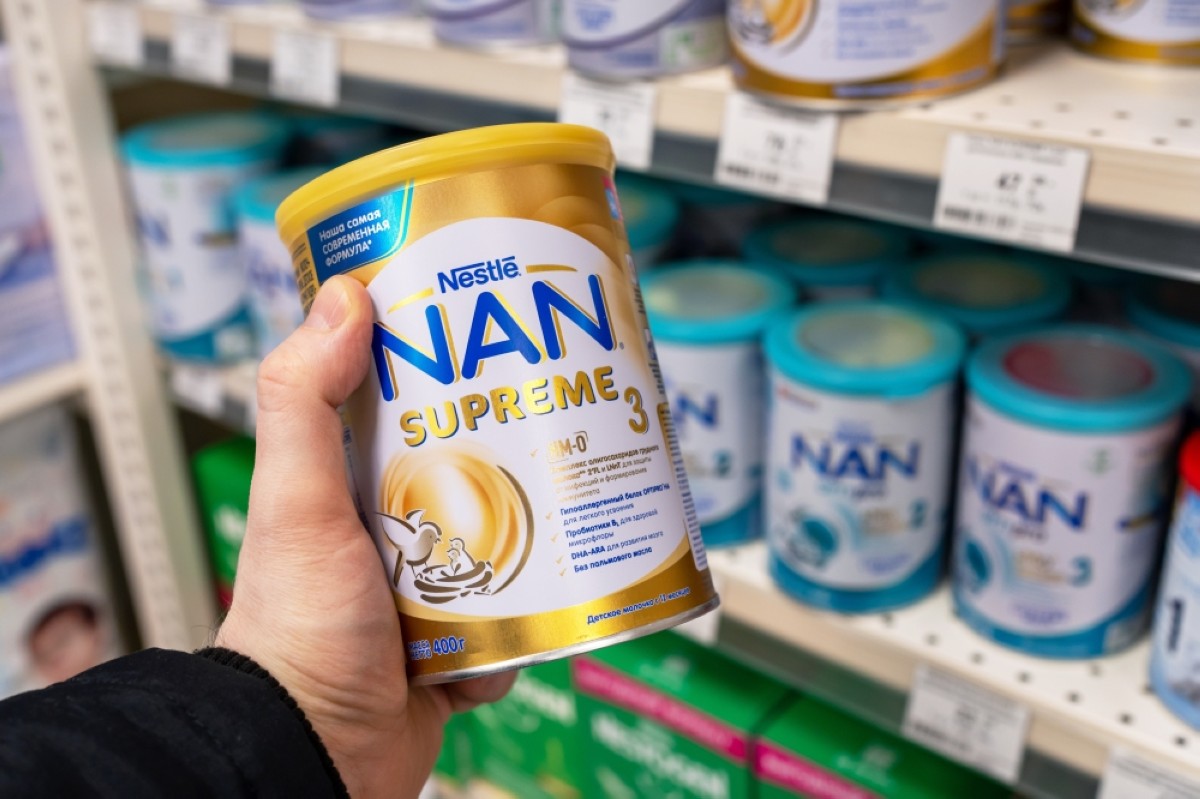

Kuwait’s commitment to food safety was recently highlighted following a voluntary recall of several batches of Nestlé’s baby formula, NAN S26, due to potential contamination. However, the swift and preventative action taken by the Public Authority for Food and Nutrition (PAFN) demonstrates a robust system designed to safeguard public health, particularly when it comes to vulnerable populations like infants. This system isn’t reliant on reacting after problems arise; instead, it proactively utilizes food safety monitoring alongside cutting-edge technology and international collaboration to minimize risk.
Proactive Food Safety Monitoring in Kuwait
The PAFN doesn’t wait for reports of illness to initiate investigations. Their approach is built on layers of preventative measures, ensuring that potentially harmful products are identified and addressed before they reach consumers. This dedication to food safety monitoring is a cornerstone of their public health strategy.
Early Warning Systems & Manufacturer Collaboration
The process begins with constant vigilance. A key element is direct communication and collaboration with food manufacturers. Companies are often required to self-report potential issues discovered through their own internal quality control processes. This transparency allows the PAFN to begin assessing risk immediately.
Kuwait also actively participates in international alert systems, serving as a point of contact for the Gulf and European Rapid Alert Systems, as well as the International Food Safety Authorities Network (INFOSAN). These networks provide crucial, real-time information about food safety concerns around the globe. Faisal Al-Rashidi, Director of Food Safety at the PAFN, emphasized this proactive stance in a recent interview, stating the authority’s commitment to protecting consumer health, especially concerning children.
Leveraging Artificial Intelligence for Rapid Detection
Beyond traditional monitoring methods, the PAFN is increasingly utilizing artificial intelligence (AI) to enhance its capabilities. The AI tools are programmed to scan global media sources – news articles, social media, and online reports – for keywords related to food safety incidents, such as “food poisoning,” “pesticide contamination,” or “product recall.”
This allows officials to quickly identify potential threats and determine if they pose a risk to the Kuwaiti market. “The moment any report reaches us, we verify through our electronic systems whether the product entered the Kuwaiti market, then assess the risk and take the necessary action,” Al-Rashidi explained. This rapid response capability is vital in today’s interconnected world, where food supply chains are complex and issues can emerge quickly.
Risk Assessment and Recall Procedures
Once a potential hazard is flagged, the PAFN initiates a thorough risk assessment. This isn’t a simple yes or no decision; it’s a nuanced evaluation of the potential severity of the issue and the likelihood of exposure.
Voluntary vs. Mandatory Recalls
A crucial distinction is made between voluntary and mandatory recalls. A precautionary recall – initiated voluntarily by the manufacturer or requested by the PAFN – occurs when there’s a possibility of contamination, even if laboratory tests haven’t confirmed a defect. This approach is particularly stringent for products intended for children. As Al-Rashidi stated, “Products intended for children are a red line for us. If there is any possibility of risk, we do not allow room for hesitation.”
Mandatory recalls, on the other hand, are enforced when contamination is confirmed through testing or when cases of illness are linked to a specific product. “In those cases, the recall becomes compulsory under our regulations,” Al-Rashidi clarified. The level of response is directly proportional to the confirmed risk.
Execution and Enforcement of Recalls
The PAFN doesn’t simply announce a recall and hope for the best. They actively track the affected product through their electronic systems, pinpointing its entry point into the country and its distribution network. Dedicated inspection teams then conduct field visits to retail outlets and distribution centers across all governorates to ensure full compliance with the recall order.
Furthermore, Kuwaiti law provides significant penalties for non-compliance. Selling food unfit for human consumption can result in fines ranging from KD 50,000 to 100,000, imprisonment, and the revocation of commercial licenses. This demonstrates the seriousness with which Kuwait treats food safety standards.
The Role of the Consumer in Food Safety
While the PAFN plays a critical role in ensuring food safety, consumers also have a vital part to play. Transparency is key to preventing unnecessary panic during a recall. The PAFN publishes detailed notices on its social media channels, clearly identifying the affected batches and expiry dates, allowing consumers to easily determine if their product is impacted and avoid discarding safe items.
The authority encourages the public to rely on official information sources rather than spreading rumors or misinformation. Consumers who encounter expired or suspicious products are urged to report them immediately through the 1807 hotline, the official PAFN website, or the government’s “Sahel” app.
“Any product that raises concern, we welcome reports from consumers,” Al-Rashidi said. “We have dedicated teams ready to respond, because protecting consumers is our responsibility.” This collaborative approach, combining proactive food safety monitoring with consumer vigilance, is essential for maintaining a safe and reliable food supply in Kuwait. Ultimately, the recent baby formula recall serves as a powerful example of how Kuwait prioritizes public health and utilizes a comprehensive, technologically advanced system to protect its citizens.