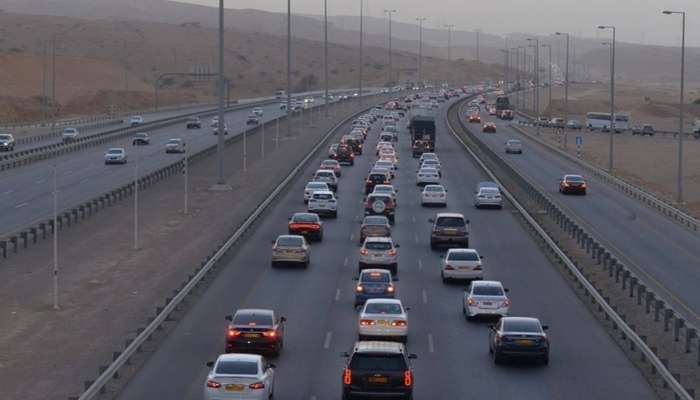

The automotive landscape in the Sultanate of Oman continues to evolve, with a significant increase in the total number of registered vehicles observed by the end of November 2025. Recent data released by the National Centre for Statistics and Information reveals a 5.6 percent rise, bringing the total to 1,842,651, compared to 1,745,642 during the same period in 2024. This growth reflects a dynamic market and increasing vehicle ownership across the nation, impacting everything from infrastructure planning to the automotive market in Oman.
Growth in Oman Vehicle Registration: A Comprehensive Overview
The overall increase in registered vehicles is a positive indicator of economic activity and consumer confidence within Oman. However, the growth isn’t uniform across all vehicle categories. Understanding these nuances is crucial for businesses and policymakers alike. The data provides a granular look into the types of vehicles gaining popularity and the preferences of Omani vehicle owners.
Breakdown of Vehicle Types
Private vehicles continue to dominate the Omani vehicle fleet, accounting for the largest proportion with 1,458,764 registrations – a 5 percent increase year-on-year. This highlights the reliance on personal transportation for daily commutes and travel. Following private vehicles, commercial vehicles saw a substantial growth of 7.7 percent, reaching a total of 272,233. This surge likely correlates with ongoing business expansion and infrastructure projects within the Sultanate.
Interestingly, rental vehicles experienced the highest percentage growth at 12.4 percent, totaling 44,075 vehicles. This suggests a growing tourism sector and increased demand for short-term transportation solutions. Motorcycles also showed strong growth, with a 12.6 percent increase to 8,609 registrations, potentially driven by their affordability and maneuverability in urban areas. Taxi vehicles, while growing at a more modest 0.9 percent, still reached 28,495 registrations by the end of November 2025.
Color Preferences of Vehicle Owners
Beyond the type of vehicle, the data also sheds light on the color preferences of Omani drivers. White remains the overwhelmingly popular choice, with 778,846 vehicles sporting the color. This preference for lighter shades is often attributed to Oman’s hot climate, as white reflects sunlight and helps keep the vehicle cooler.
Silver is the second most popular color, with 237,055 vehicles, followed by gray at approximately 190,278. Black vehicles, while still present, are less common with around 98,333 registrations. Notably, there’s been a significant increase in the number of blue-colored vehicles, reaching 102,372, indicating a shift in aesthetic preferences among consumers. This trend could be leveraged by automotive dealerships for marketing purposes.
Engine Capacity and Vehicle Weight Trends
Analyzing the engine capacity of registered vehicles provides further insights into consumer choices. Vehicles with engine capacities between 1500–3000 cc represent the largest segment, with 1,003,632 registrations. This suggests a preference for vehicles that balance fuel efficiency with performance. Vehicles under 1500 cc accounted for 154,127 registrations, while those with 3001–4500 cc reached approximately 407,507. Finally, vehicles with engine capacities exceeding 4500 cc numbered around 228,025.
In terms of weight, the vast majority of registered vehicles – 1,671,480 – weigh less than 3 tons. This category primarily includes passenger cars and light commercial vehicles. Vehicles weighing between 3 and 7 tons accounted for 53,459 registrations, followed by those between 7 and 10 tons with 39,846. Heavier vehicles, weighing over 10 tons, numbered approximately 77,866, largely consisting of buses and large trucks.
Implications for the Automotive Industry
These statistics are invaluable for stakeholders in the automotive market. Manufacturers can tailor their offerings to meet the specific demands of Omani consumers, focusing on popular vehicle types, engine capacities, and colors. Dealerships can optimize their inventory and marketing strategies based on these trends. Furthermore, the government can utilize this data for infrastructure planning, traffic management, and environmental regulations. Understanding the growth in commercial vehicle registrations, for example, can inform decisions regarding road maintenance and expansion.
The consistent growth in vehicle ownership also highlights the need for sustainable transportation solutions and investments in public transport infrastructure. While private vehicle ownership remains dominant, exploring options to encourage the use of public transport and promote eco-friendly vehicles could contribute to a more sustainable future for Oman.
Conclusion
The data on registered vehicles in Oman as of November 2025 paints a picture of a thriving automotive sector with diverse consumer preferences. The 5.6 percent overall increase, coupled with specific growth patterns in different vehicle categories, colors, engine capacities, and weight classes, provides a wealth of information for industry players and policymakers. Staying abreast of these trends is essential for navigating the evolving landscape of Oman’s transportation system and ensuring continued growth and sustainability. For further detailed information on Oman’s economic indicators, please refer to the National Centre for Statistics and Information website.