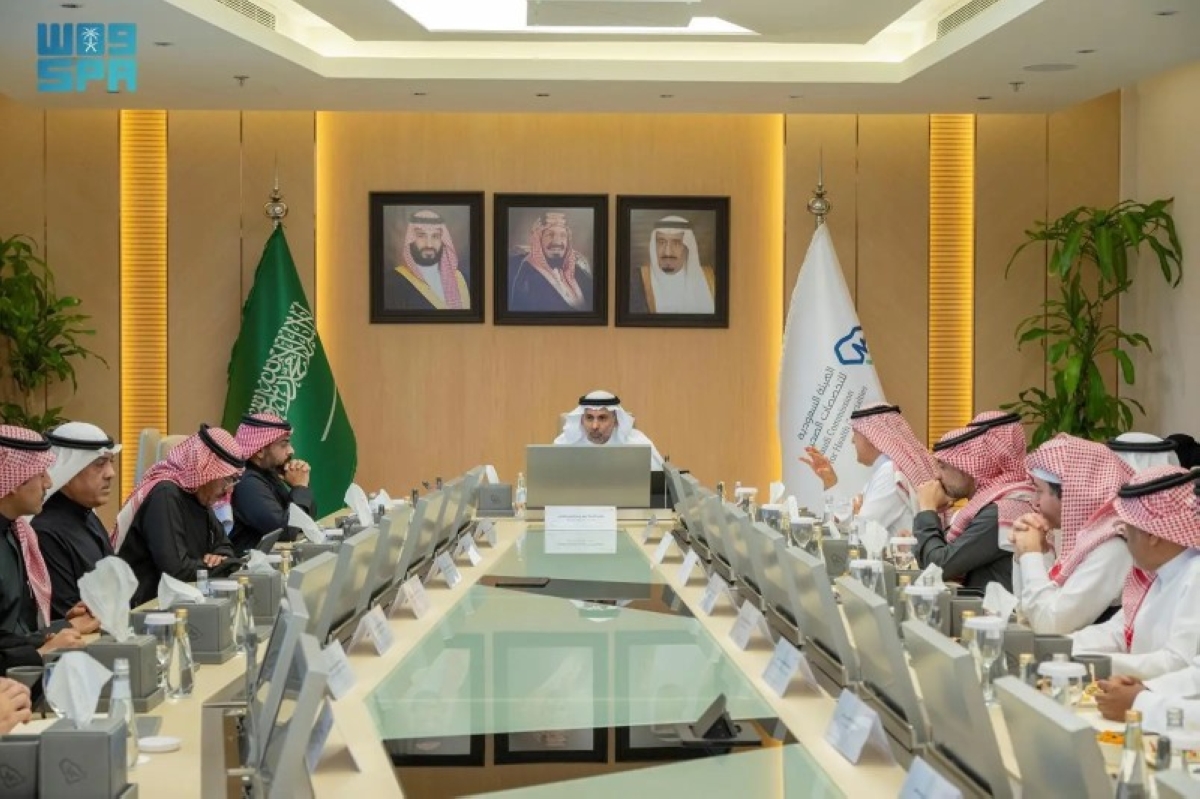

RIYADH — Saudi Arabia is significantly expanding its healthcare workforce, with the Saudi Commission for Health Specialties (SCFHS) reporting a 7.6 percent increase in registered practitioners in 2025, bringing the total to over 800,000. This growth reflects the Kingdom’s ongoing investment in its health sector and preparations for major events like the 2034 FIFA World Cup. The announcement was made during the 101st meeting of the SCFHS Board of Trustees held Sunday in Riyadh.
The SCFHS board meeting, attended by representatives from government, private, educational, and specialized sectors, highlighted key achievements and future plans for the Saudi health system. Minister of Health and Chairman of the SCFHS Board of Trustees, Fahad Al-Jalajel, emphasized the importance of continued support from the Kingdom’s leadership for the health sector’s development. He also acknowledged the royal patronage extended to the over 12,500 graduates of SCFHS programs this year.
Expanding the Healthcare Workforce in Saudi Arabia
The substantial increase in registered healthcare professionals underscores Saudi Arabia’s commitment to achieving its Vision 2030 goals, which prioritize improved healthcare access and quality for citizens and residents. This expansion is not merely numerical; it’s also focused on specialization and capacity building. According to the SCFHS, the number of training positions across various health specialties has risen by over 17 percent compared to 2024, now exceeding 900,100 positions.
Strategic Planning and Education
The SCFHS is actively engaged in “Health Workforce Planning” to ensure the Kingdom has the right mix of skills to meet future demands. This includes detailed studies of labor market needs, particularly in nursing and clinical assistant roles, projecting requirements through 2034. Additionally, the Commission is working to integrate health qualification standards with the education system to streamline scholarship pathways for aspiring medical professionals.
This integration also involves alignment with the “National Labor Observatory” to track the performance and career paths of Saudi university graduates in health fields. This data-driven approach aims to identify gaps in skills and adjust educational programs accordingly. The Ministry of Health has indicated that this collaborative effort will help optimize the return on investment in health education.
Preparing for the 2034 FIFA World Cup
Saudi Arabia’s successful bid to host the 2034 FIFA World Cup is driving further investment in the health sector. The SCFHS is actively supporting the event through initiatives in “Sports Medicine,” recognizing the need for a robust healthcare infrastructure to support the influx of athletes and spectators. This includes increasing the supply of qualified healthcare workers specializing in sports-related injuries and illnesses.
The Commission is developing specialized sports medicine programs and has signed agreements with the Professional League Association and the Leadership Development Institute at the Ministry of Sports. These partnerships aim to enhance the skills of existing healthcare staff and attract new talent to the field. The SCFHS is also working to expand the overall capacity of the healthcare system to accommodate the increased demand during the World Cup and beyond.
However, challenges remain in ensuring equitable distribution of healthcare professionals across the Kingdom’s diverse regions. While the overall numbers are increasing, some rural and remote areas may still face shortages. The SCFHS is reportedly exploring incentive programs to encourage practitioners to work in underserved communities.
The growth in medical personnel also necessitates ongoing attention to quality control and standardization of practices. The SCFHS plays a crucial role in regulating healthcare professions and ensuring adherence to international standards. The Commission’s efforts in this area are vital for maintaining public trust in the Saudi healthcare system.
The SCFHS board also reviewed performance indicators for the fourth quarter of the year, noting progress in various areas of healthcare delivery. The report indicates continued improvements in patient satisfaction and access to specialized care. The Ministry of Health has consistently emphasized the importance of patient-centered care as a core principle of its healthcare strategy.
Looking ahead, the SCFHS is expected to release a detailed report on the findings of the nursing and clinical assistant labor market study in the coming months. This report will likely inform future policy decisions regarding healthcare education and workforce planning. Further announcements regarding the implementation of sports medicine programs and the impact of the 2034 World Cup preparations are also anticipated before the end of the year. The long-term success of these initiatives will depend on sustained investment and effective collaboration between government agencies, educational institutions, and the private sector.
The continued expansion of the healthcare industry in Saudi Arabia is a key component of the Kingdom’s broader economic diversification efforts.