








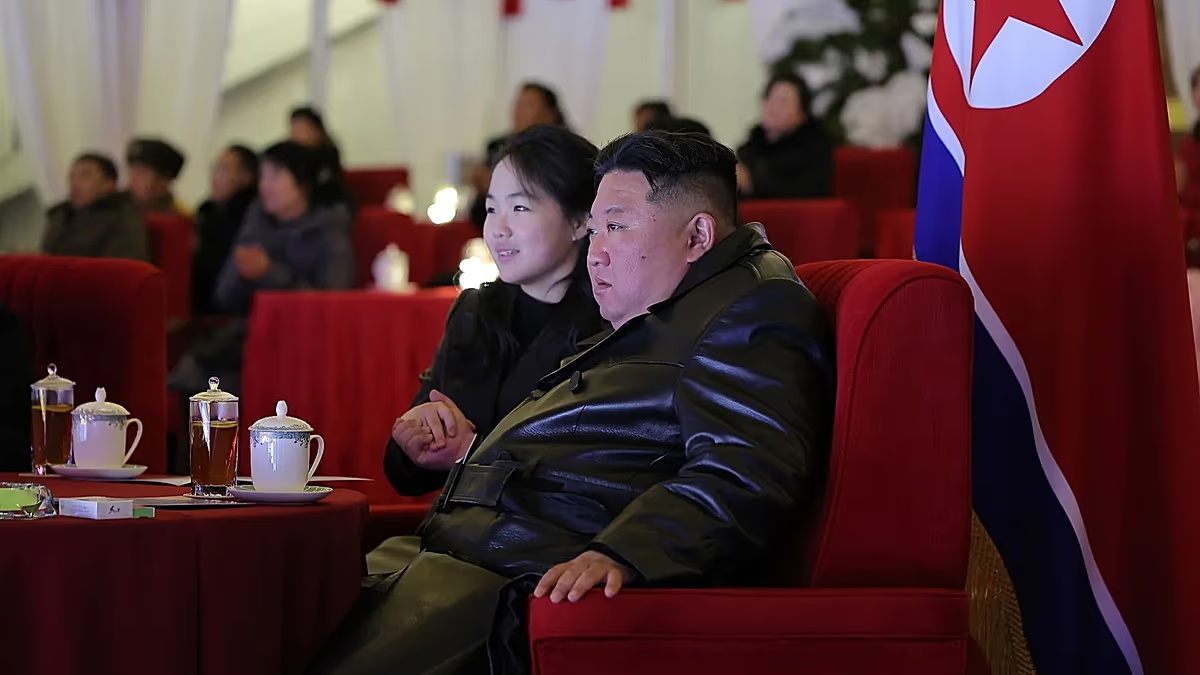

North Korean leader Kim Jong-un reaffirmed his support for Russia’s war in Ukraine in a New Year message to troops operating in the country, highlighting the “invincible alliance” between Pyongyang and Moscow. The message, reported by state news agency KCNA on January 1, 2026, comes as North Korea continues to provide military support to Russia, despite international condemnation and reports of significant casualties among its soldiers. This ongoing North Korea Russia alliance is raising concerns about regional stability and potential escalation of the conflict.
Kim addressed personnel in “overseas operations units,” praising their “heroic” efforts in what he described as an “alien land.” He instructed them to remain “brave” and emphasized their commitment to defending the honor of the nation, while also implicitly acknowledging their role in supporting Russian forces. This support reportedly began following a mutual defense treaty signed in 2024.
The Expanding North Korea Russia Alliance and its Implications
The extent of North Korea’s military involvement in Ukraine remains largely undisclosed, but South Korean intelligence estimates suggest thousands of North Korean troops have been deployed to assist Russia. These estimates also indicate a high cost, with at least 600 reported deaths and thousands more injuries sustained by North Korean soldiers. Analysts believe this support is not altruistic, but rather a calculated move to secure economic and military benefits from Russia.
According to reports, North Korea is receiving financial aid, advanced military technology, and crucial supplies of food and energy in exchange for its manpower. This influx of resources could significantly bolster North Korea’s struggling economy and enhance its military capabilities. The exchange of military technology is particularly concerning, potentially contributing to the proliferation of weapons in the region.
Reports of Harsh Treatment and Defection Attempts
Intelligence sources in South Korea have alleged that North Korean soldiers are under orders to commit suicide rather than risk being taken prisoner by Ukrainian forces. This claim underscores the desperate situation faced by these troops and the lengths to which the North Korean regime is willing to go to maintain control.
Meanwhile, there have been documented cases of North Korean prisoners of war expressing a desire to defect to South Korea. In December, a letter from two such prisoners detailed their hope for a “new life” in the South, describing South Koreans as “parents and siblings.” This highlights the growing discontent among some North Korean soldiers with their government and the war effort. The possibility of further defections remains a key factor to watch.
Kim Jong-un’s Unwavering Support for Russia
Kim’s public displays of support for Russia have been consistent. In June, he reaffirmed his “unconditional support” for Russia’s war against Ukraine during a meeting with Russian Security Council Secretary Sergei Shoigu in Pyongyang. This commitment extends to Russia’s broader foreign policy objectives, according to KCNA.
The deepening ties between North Korea and Russia are occurring against a backdrop of increasing international isolation for both countries. Russia is facing widespread sanctions due to its invasion of Ukraine, while North Korea remains subject to stringent sanctions over its nuclear weapons program. This shared isolation may be a driving force behind their strengthening relationship. The Council on Foreign Relations provides further context on North Korea’s international standing.
Additionally, the geopolitical shift brought about by the Ukraine conflict has created new opportunities for North Korea to expand its influence and secure its interests. However, this support also risks further alienating North Korea from the international community and escalating tensions on the Korean Peninsula.
The increasing alignment between North Korea and Russia, and the continued provision of military aid, are likely to remain a significant point of contention in international relations. The situation is further complicated by the potential for escalation and the humanitarian consequences of the conflict. Observers will be closely monitoring future developments, including any further deployments of North Korean troops and the nature of the assistance being provided by Russia. Stay informed about this evolving situation and its impact on global security.
Additional sources • AFP

