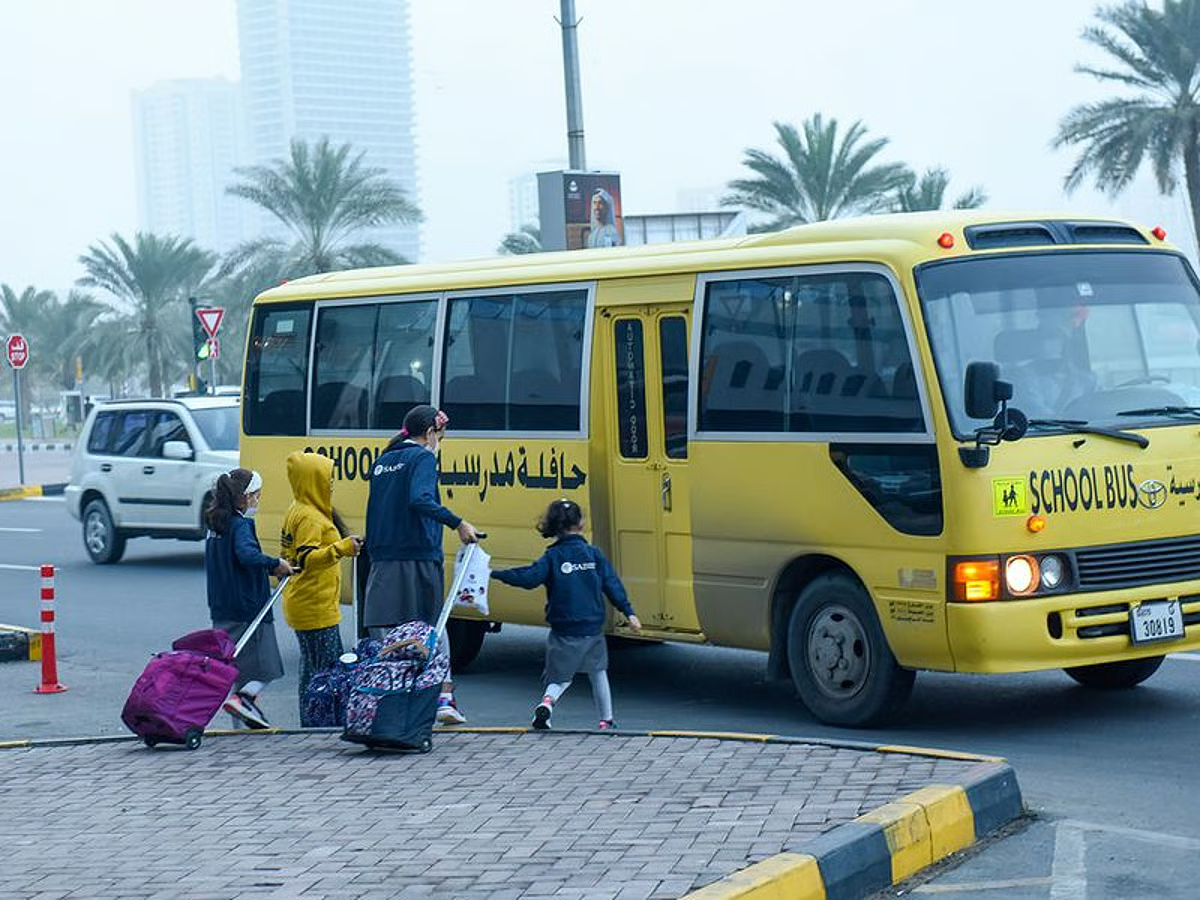

UAE schools are implementing a new student departure permit system designed to enhance safety and accountability. The initiative, affecting all private schools nationally, requires explicit parental consent and a documented collection plan for students leaving school grounds during instructional hours. This new process focusing on student release aims to minimize unauthorized student departures and streamline the pick-up procedure.
The regulations, recently clarified by the Ministry of Education, went into effect on November 15, 2023. Schools across the Emirates are now enforcing the requirement for a formal permit whenever a student needs to leave before the official dismissal time. The move follows increased scrutiny of school safety protocols and a desire for greater parental involvement in student logistics.
Understanding the New Student Release Procedures
The core of the new system centers on a written undertaking from parents. This document outlines the pre-approved method of a student’s departure, whether by parent pick-up, authorized guardian, or other designated transport. It also explicitly states the parent’s responsibility for ensuring the student is collected as agreed.
To obtain these permits, schools are requesting specific documentation from parents. This includes a recent passport-sized photograph of the student for identification purposes and a copy of the parent’s or guardian’s valid Emirates ID for verification.
In-Person Requirement and Accountability
A significant aspect of the new policy is the requirement for at least one parent to physically visit the school to sign the undertaking. This in-person element is intended to reinforce the seriousness of the agreement and ensure full awareness of the departure procedures. Additionally, it allows school staff to directly confirm identities and address any potential concerns.
School administrations are responsible for maintaining accurate records of these permits and departure logs. This documentation could be crucial in the event of any incident or misunderstanding regarding a student’s whereabouts. The enhanced record-keeping is a key component of improved school security measures.
Previously, many schools relied on informal notes or phone calls to verify student departures. While these methods were common, they lacked the standardized documentation and accountability now mandated by the Ministry of Education. This inconsistency created potential vulnerabilities in ensuring student safety.
Why the Change in Student Departure Policy?
The impetus for this change stems from a broader national focus on child protection and student wellbeing. Authorities have been working to strengthen safety nets across all sectors, and education is a critical area of focus. The new regulations are designed to address concerns about students leaving school premises without proper authorization or supervision.
According to reports from local media outlets, the Ministry of Education initiated this review following several incidents of students being left unattended or encountering unsafe situations after leaving school early. While specific details of these incidents remain limited, they highlighted the need for a more robust and standardized system.
Furthermore, the policy aims to alleviate the burden on school staff who were often tasked with verifying pick-up arrangements on an ad-hoc basis. A clear, documented process reduces ambiguity and minimizes the potential for errors. This allows teachers and administrators to focus more effectively on their primary responsibilities.
In contrast to previous practices, the new system provides a clear audit trail for student departures. This transparency is beneficial for both parents and schools, fostering a greater sense of trust and collaboration. It also provides a standardized approach applicable to all private schools within the UAE.
Impact on Parents and Schools
Parents can expect a slightly more involved process when requesting an early student pickup. The need to provide documentation and attend the school in person may require adjustments to their schedules. However, the Ministry of Education emphasizes that the added steps are a necessary precaution to ensure their child’s safety.
Schools are currently focused on implementing the new procedures and communicating them effectively to parents. This includes updating school handbooks, providing clear instructions on the permit application process, and training staff on the new requirements. Some schools have introduced online forms to streamline the initial documentation submission, though the in-person signing remains mandatory.
The implementation has not been without minor challenges. Some parents have expressed concerns about the time commitment required, particularly those with busy work schedules. Schools are attempting to address these concerns by offering flexible appointment times and providing clear guidance on the necessary documentation.
Meanwhile, the Ministry of Education has indicated that ongoing monitoring will assess the effectiveness of the new system. Data collected on permit requests, departure logs, and any reported incidents will be analyzed to identify areas for improvement and potential refinement of the policy.
Future Considerations and Updates
As the new system settles, further integration with existing school management systems is anticipated. The Ministry of Education has not ruled out the possibility of a fully digital permit process in the future, but emphasizes that security and verification protocols must be robust before such a transition can occur. The current focus remains on establishing a solid foundation of documented consent and accountability.
The long-term impact of the new regulations on student safety and school operations remains to be seen. The Ministry of Education is expected to release a comprehensive report on the implementation and effectiveness of the policy within the next academic year. Parents and schools should remain informed about any updates or modifications to the procedures as they become available.
Ongoing observation of the system’s functionality will be critical to determine if it effectively reduces unauthorized student departures and enhances overall child safety within the UAE’s private school sector.