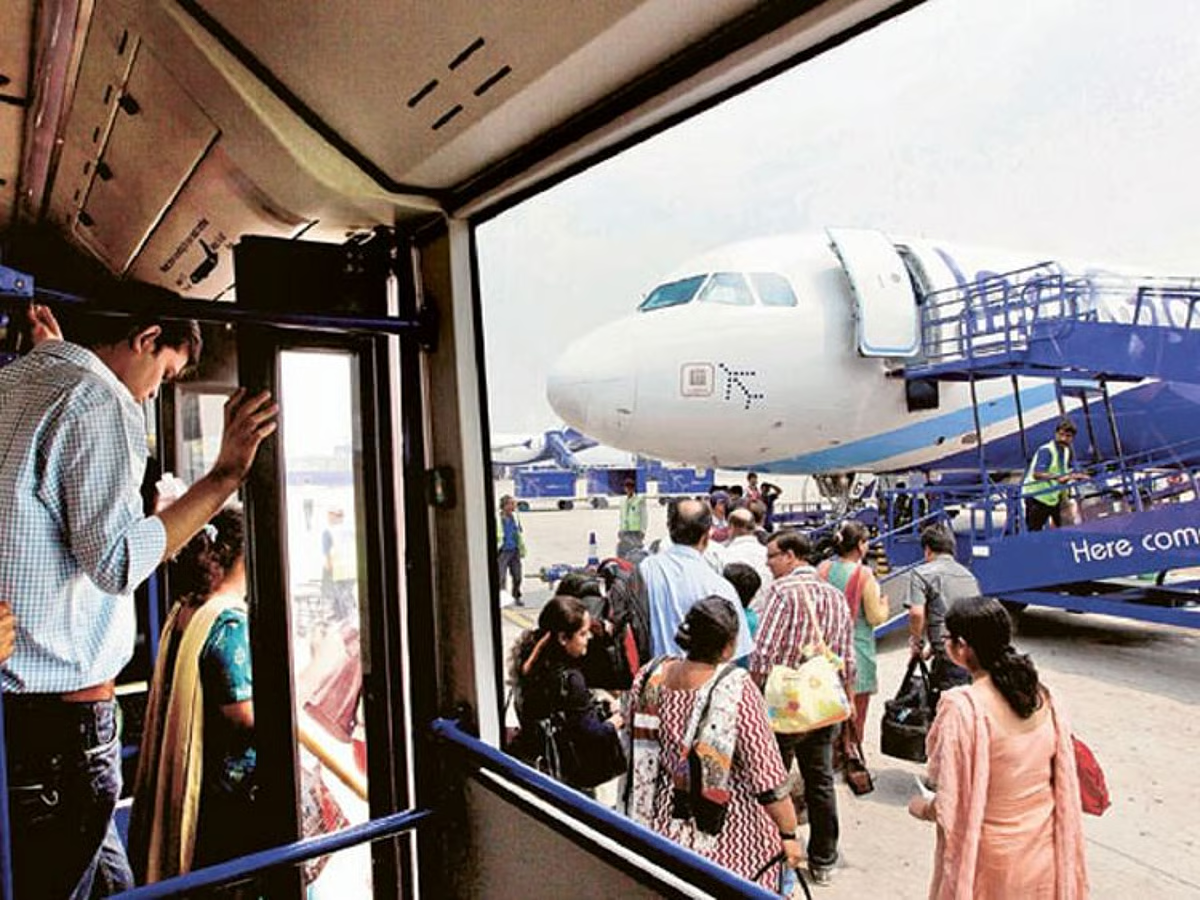

Recent widespread flight disruptions at IndiGo, India’s largest airline, have left thousands of passengers stranded and raised questions about passenger compensation rights. The cancellations and delays, beginning in early February 2024, stem from the airline’s struggles to fully implement new regulations designed to combat pilot fatigue. Passengers are now seeking clarity on their entitlements for refunds and financial redress.
The disruptions primarily affect domestic routes, with significant impact felt across major Indian cities. IndiGo has acknowledged the issues and stated it is working to minimize inconvenience, offering alternative travel arrangements and refunds where applicable. However, the scale of the disruption has prompted scrutiny of the airline’s preparedness and the broader implications for India’s aviation sector.
Understanding Your Passenger Compensation Rights
The Directorate General of Civil Aviation (DGCA) in India has established clear guidelines regarding passenger compensation rights in cases of flight cancellations and significant delays. According to these regulations, passengers are entitled to a full refund for cancelled flights or delays exceeding three hours. Additionally, monetary compensation ranging from ₹5,000 to ₹20,000 is payable, depending on the duration of the delay and the distance of the flight.
Applying for Refunds and Rebookings
IndiGo has implemented a “Plan B” policy to address affected passengers, with eligible individuals receiving notifications via email or SMS regarding refund or rebooking options. Passengers can also directly contact IndiGo’s customer service for assistance. The DGCA emphasizes that airlines must proactively inform passengers of their rights and facilitate the claims process.
The Impact of New Flight Duty Time Limitations (FDTL) Rules
The root cause of IndiGo’s operational challenges lies in the implementation of revised FDTL rules introduced by the DGCA in July and November 2023. These rules aim to enhance flight safety by reducing pilot fatigue. Key changes include increased mandatory rest periods for pilots, a reduction in the number of permitted night landings, and restrictions on weekly flight hours.
While the intent behind the FDTL rules is positive, the sudden enforcement and IndiGo’s apparent lack of sufficient pilot staffing to meet the new requirements have created a significant operational strain. The Federation of Indian Pilots (FIP) has stated that the situation reflects a failure in proactive resource planning. The new rules require pilots to have 48 hours of weekly rest, down from 36, and limit night landings to two.
How Other Airlines are Coping
Although IndiGo is the most severely affected airline, reports indicate that other Indian carriers, such as Air India and Akasa Air, have managed the transition to the new FDTL rules more effectively. These airlines reportedly anticipated the changes and proactively increased their pilot rosters to ensure compliance. However, the entire sector is facing increased pressure from widespread adverse weather conditions and airport congestion.
Industry analysts suggest that the government’s growing focus on aviation safety must be balanced with realistic implementation timelines to avoid disruptions to passenger travel. IndiGo’s large market share – carrying approximately 60% of domestic passengers – amplifies the impact of its operational issues, creating ripple effects throughout India’s travel network. The airline’s struggles highlight the complexities of balancing safety regulations with operational realities.
Looking Ahead: Recovery and Long-Term Solutions
Experts believe that IndiGo will need to undertake a comprehensive overhaul of its pilot recruitment and rostering strategies to ensure sustainable compliance with the FDTL regulations. This may involve accelerating pilot hiring and optimizing flight schedules to better accommodate the new rest requirements. The airline is currently working to address the staffing shortages and restore normal operations.
The current crisis underscores the broader challenges facing Indian aviation as it strives to meet rising safety standards while simultaneously experiencing a surge in travel demand. The DGCA is expected to continue monitoring the situation closely and may consider further adjustments to the implementation timeline of the FDTL rules, depending on the progress made by airlines. The next few weeks will be critical in determining whether IndiGo can stabilize its operations and minimize further disruptions to passengers. The long-term impact on airfares and airline profitability remains uncertain.