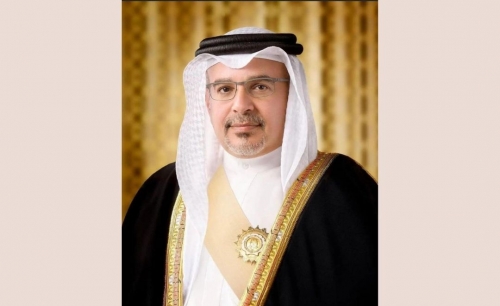

The Bahraini government continues to refine its leadership within key ministries, demonstrating a commitment to efficient public service and strategic development. Recent administrative changes at the Ministry of Municipalities Affairs and Agriculture, formalized through Crown Prince and Prime Minister Prince Salman bin Hamad Al Khalifa’s Edict (1) of 2026, highlight this ongoing process. This restructuring focuses on optimizing departmental expertise, specifically within areas of vegetation and public green spaces, and ensuring continued progress in Bahrain agriculture initiatives.
Recent Leadership Changes at the Ministry
Yesterday’s issuance of Edict (1) of 2026 signifies a deliberate shift in responsibilities within the Ministry of Municipalities Affairs and Agriculture. The edict, based on a proposal from the Minister himself, details the transfer of Abbas Abdullah Hussain Arafat and the subsequent succession within the department of Afforestation and Parks. These changes are part of a broader strategy to enhance the effectiveness of the ministry’s operations.
Arafat’s Transition and Buasali’s Departure
Abbas Abdullah Hussain Arafat, previously serving as the Director of Vegetation Development, has been appointed as the new Director of Afforestation and Parks. This move positions him to lead the crucial work of expanding and maintaining Bahrain’s green spaces. He will be taking over from Ahmed Abdulaziz Ahmed Buasali, whose tenure as Director of Afforestation and Parks has concluded.
The details surrounding Mr. Buasali’s departure haven’t been publicly disclosed, but the smooth transition facilitated by the edict suggests a planned and orderly handover. This is a positive indicator of the ministry’s internal processes and commitment to continuity.
The Significance of Afforestation and Vegetation Development in Bahrain
The focus on both Afforestation and Vegetation Development underscores the importance of environmental sustainability within Bahrain’s national vision. Landscaping Bahrain is a key component of improving the quality of life for residents and attracting tourism. The country faces unique environmental challenges, including limited natural resources and a harsh climate, making strategic planning and effective execution in these areas particularly vital.
Addressing Environmental Challenges
Bahrain is actively working to combat desertification and enhance its biodiversity. Afforestation projects, involving the planting of trees and shrubs, play a crucial role in improving air quality, reducing soil erosion, and creating habitats for wildlife. Vegetation development, on the other hand, focuses on the cultivation and maintenance of plants in urban and agricultural settings, contributing to food security and aesthetic appeal.
Supporting National Sustainability Goals
These initiatives directly support Bahrain’s commitment to achieving the United Nations Sustainable Development Goals (SDGs), particularly those related to climate action, sustainable cities and communities, and life on land. Investing in green initiatives Bahrain is not just an environmental imperative, but also an economic one, fostering a more resilient and attractive nation.
The Ministry of Municipalities Affairs and Agriculture is responsible for implementing policies and programs that promote sustainable land use, protect natural resources, and enhance the overall environment. The recent leadership changes are intended to strengthen the ministry’s capacity to deliver on these critical objectives.
Implications for Future Agricultural Policy
The reshuffling within the Ministry suggests a potential for renewed focus on integrated approaches to land management. Combining expertise in vegetation development with the broader scope of afforestation and parks allows for a more holistic strategy. This could lead to more effective implementation of projects aimed at increasing green cover, improving urban landscapes, and supporting agricultural productivity.
Furthermore, the changes may signal a shift towards incorporating innovative technologies and sustainable practices in Bahrain’s agricultural sector. This could include exploring water-efficient irrigation techniques, promoting the use of drought-resistant plant species, and investing in research and development to enhance crop yields.
The Ministry’s work is also closely linked to the Kingdom’s food security strategy. By supporting local agriculture and promoting sustainable land use, Bahrain aims to reduce its reliance on imports and ensure a stable supply of food for its population. The success of these efforts will depend on continued investment, effective policy implementation, and a skilled workforce.
In conclusion, the recent leadership changes at the Ministry of Municipalities Affairs and Agriculture, as outlined in Edict (1) of 2026, represent a strategic move to bolster Bahrain agriculture and environmental sustainability efforts. The transfer of Abbas Abdullah Hussain Arafat to lead Afforestation and Parks, succeeding Ahmed Abdulaziz Ahmed Buasali, is expected to streamline operations and enhance the impact of ongoing and future projects related to landscaping and green initiatives. These adjustments are vital for achieving Bahrain’s national vision and contributing to a more sustainable and prosperous future. We encourage readers to follow the Ministry’s progress and engage in discussions about how to further support these important initiatives.