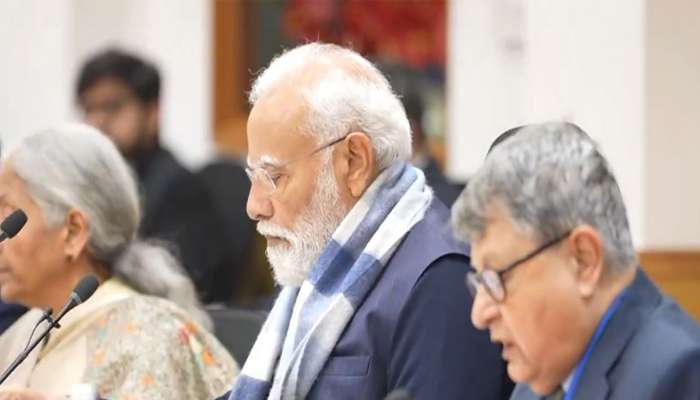

The Indian government is deeply engaged in crafting the Union Budget 2026, with Prime Minister Narendra Modi leading a crucial pre-Budget meeting with the nation’s foremost economists in New Delhi this Tuesday. This signifies a proactive approach to fiscal planning, aiming to address economic challenges and foster sustained growth for the country. The upcoming budget is expected to lay the groundwork for India’s economic trajectory in the coming year, covering a broad spectrum of sectors and societal needs.
Prime Minister Modi Chairs Key Economic Discussion for Union Budget 2026
Prime Minister Modi’s meeting, as confirmed by an official statement, served as a platform for discussing key priorities and gathering vital inputs for the Union Budget 2026. Present alongside the Prime Minister was Finance Minister Nirmala Sitharaman, NITI Aayog Vice Chairman Suman Bery, and a collective of other highly respected economists. This high-level dialogue underscores the government’s commitment to evidence-based policymaking and a comprehensive understanding of the current economic landscape.
The focus of the discussion centered around strategies to invigorate the Indian economy, promote investment, and create opportunities for all citizens. Experts weighed in on potential areas of growth and the necessary measures to ensure inclusive economic development. This collaborative process is designed to create a budget that is both fiscally responsible and responsive to the needs of a rapidly evolving nation.
Extensive Pre-Budget Consultations Across Multiple Sectors
The meeting chaired by the Prime Minister wasn’t an isolated event. Finance Minister Nirmala Sitharaman has been conducting a series of ten pre-Budget consultations, meticulously gathering insights from diverse stakeholders. These extensive conversations represent a thorough preparation phase, acknowledging the interconnectedness of India’s economy.
Sector-Specific Input
These consultations spanned critical sectors, including:
- Agriculture and Micro, Small & Medium Enterprises (MSMEs)
- Capital Markets
- Manufacturing
- Service Industry
- Technology
- BFSI (Banking, Financial Services, and Insurance)
- Tourism & Hospitality
- Trade Unions and Labour Organisations
Each session provided a unique perspective on the challenges and opportunities within its respective field. Representatives presented recommendations, outlined critical roadblocks, and expressed their expectations for the upcoming Union Budget 2026. The emphasis was on fostering economic growth, accelerating employment generation, improving the investment climate, and driving technological advancement.
Key Themes Emerging from the Consultations
Several recurrent themes emerged during these discussions. Sector experts consistently highlighted the need for policies that promote industrial competitiveness, ensure financial sector stability, and prioritize labour welfare. Alongside these core areas, sustainable development also took center stage, reflecting India’s commitment to environmental responsibility alongside economic progress.
Furthermore, the consultations revealed a strong desire for initiatives that would encourage foreign direct investment and bolster the country’s manufacturing capabilities. Improving infrastructure and streamlining regulations were identified as crucial steps in attracting investment and fostering a more favorable business environment. The role of skill development and education in preparing the workforce for the future also got significant attention. These insights will undoubtedly shape the government’s approach to economic planning in the Union Budget 2026.
Public Participation in the Budgetary Process
Recognizing that a truly inclusive budget requires broad-based participation, the Government of India is actively soliciting suggestions from the general public. Through the MyGov platform, citizens are invited to contribute their ideas and perspectives on the priorities for the upcoming fiscal year.
This move towards participatory budgeting is a significant step in empowering citizens and fostering a sense of ownership in the country’s economic policies. MyGovIndia, in a recent post on X (formerly Twitter), articulated this approach, stating, “Building the Budget with Public Insight. Share your suggestions for Union Budget 2026-27 and contribute to the policies that promote inclusive growth and National development.”
The platform provides a convenient avenue for individuals to voice their concerns and contribute to the creation of a budget that effectively addresses the needs of all Indians. This directly seeks to develop economic policies that benefit the country as a whole.
Timeline and Expectations
Finance Minister Nirmala Sitharaman is widely expected to present the Union Budget 2026-27 in Parliament on February 1st, consistent with established tradition. This budget will be a pivotal moment for the Indian economy, outlining the government’s vision for sustainable growth and inclusive development.
The culmination of these extensive consultations, combined with public input, promises a budget that is well-informed, strategically aligned, and responsive to the needs of a dynamic nation. The focus on robust economic planning and inclusive growth positions India for continued progress and prosperity. Citizens are encouraged to leverage the MyGov platform to contribute their valuable insights and shape the future of India’s economic landscape.