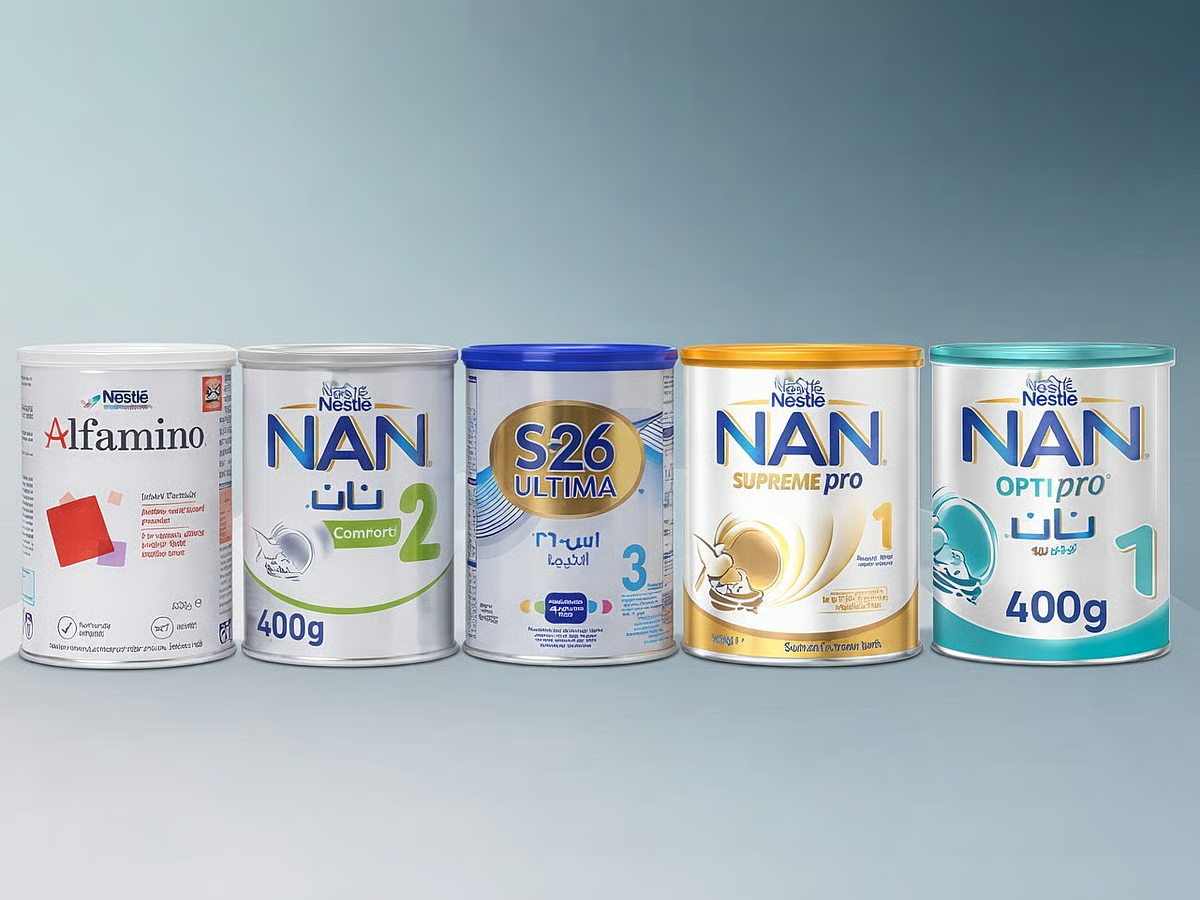

Nestlé has expanded its support network for consumers in the Middle East and North Africa (MENA) region following a recall of infant formula products due to potential contamination. The company has launched new helplines, a WhatsApp service, and an online claims portal to address concerns from parents and facilitate refunds or replacements. This action follows the detection of a potential toxin in a key ingredient used in several batches of NAN, S-26, and Alfamino formulas.
The recall, impacting the UAE and seven other MENA countries, has prompted anxiety among parents, with some reporting concerns about their newborns’ health. While authorities and Nestlé maintain no illnesses have been confirmed to date in connection with the affected products, worried parents are seeking guidance and questioning whether recent health issues could be linked to the formula.
Understanding the Infant Formula Recall and Potential Health Risks
The precautionary recall was initiated after Nestlé identified a quality issue with arachidonic acid (ARA) oil, a component supplied by an external provider. Testing revealed the potential presence of cereulide, a rare bacterial toxin produced by certain strains of Bacillus cereus. According to Nestlé, the presence of cereulide in oils is uncommon, and the supplier is currently conducting a thorough investigation to determine the root cause of the contamination.
Cereulide is a substance known to cause foodborne illness. The company emphasizes that the safety of its products and the wellbeing of infants remain its highest priority. Nestlé stated it undertook comprehensive testing of all ARA oil and related oil mixes used in the production of potentially affected infant nutrition products.
Symptoms to Monitor
Parents and caregivers are advised to monitor infants for any symptoms that may appear between 30 minutes and six hours after consuming the formula. These symptoms, while not definitively linked to the recalled products at this time, include vomiting, diarrhea, and abdominal pain. Nestlé advises consulting a pediatrician or healthcare provider if any concerns arise.
Regardless of whether symptoms are present, the company strongly recommends immediately discontinuing the use of any product included in the recall notice. Nestlé reiterated its support for breastfeeding as the ideal nutritional start for babies, aligning with World Health Organization recommendations for exclusive breastfeeding for the first six months of life.
Options for Refund and Replacement of Affected Formula
Nestlé has established two primary options for consumers seeking refunds or replacements. The first option allows for the return of affected batches to the original point of sale, with a requirement for the original purchase invoice. Alternatively, consumers can submit an online claim through Nestlé’s dedicated portal, requiring a clear photograph of the product’s batch number, located on the base of the container.
Additional support is available through Nestlé’s Consumer Engagement Centre via WhatsApp at +97148100000. UAE residents can also contact a local toll-free support center at +9718001161001. A comprehensive list of support center numbers and associated charges for other affected MENA countries is available on the Nestlé website.
Using the Online Batch Checker Tool
To assist consumers in determining if their products are affected, Nestlé has provided an online batch checker tool on its dedicated portal. This tool allows caregivers to input the batch code from their formula container and verify its status. The portal includes a sample image to help locate the batch code on the packaging. This infant formula batch code verification is a key step in ensuring consumer safety.
The UAE’s Ministry of Climate Change and Environment (MOCCAE) announced on Thursday that it had initiated testing of all Nestlé milk products within the country as a precautionary measure. However, Nestlé has clarified that only a limited volume of affected batches were distributed in the UAE. The ministry’s action reflects a broader commitment to food safety standards in the region.
Looking ahead, consumers should continue to utilize the online batch checker and contact Nestlé’s support channels with any questions or concerns. The MOCCAE’s ongoing testing will provide further assurance regarding the safety of Nestlé products in the UAE. The timeline for the completion of the ministry’s testing and any subsequent actions remains uncertain, and further updates will be closely monitored. The situation highlights the importance of robust quality control measures in the dairy industry and the need for swift responses to potential product contamination issues.