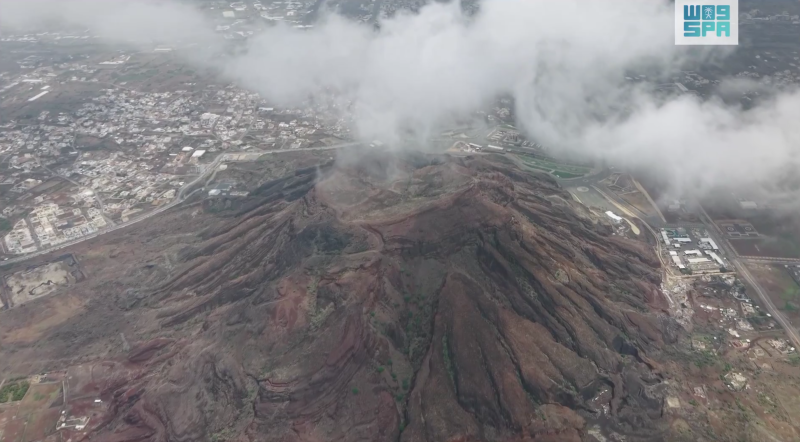

JEDDAH — Saudi Arabia is experiencing a cold snap with temperatures dipping to near-freezing in several regions, according to the National Center for Meteorology (NCM). The NCM released data on Thursday detailing the lowest recorded temperatures and a forecast predicting continued chilly weather and rainfall throughout the remainder of the mid-year school vacation. Residents in northern and mountainous areas should prepare for potentially hazardous conditions, including frost and fog.
The lowest temperatures reported on Thursday were 3°C in Al-Qurayyat, 4°C in Khamis Mushait, and 5°C in both Abha and Turaif. These drops in temperature are part of a broader weather system affecting the region, and the NCM anticipates these conditions will persist for several more days. The forecast also includes warnings for dust storms in multiple provinces.
Saudi Arabia Weather Forecast: Cold Temperatures and Rainfall Expected
The current cold spell is typical for Saudi Arabia during the winter months, particularly in the higher elevations of the south and the exposed northern areas. However, the intensity of the cold this week has prompted the NCM to issue specific advisories to the public. These advisories emphasize caution during nighttime and early morning hours, when temperatures are at their lowest.
The NCM specifically highlighted the potential for fog formation and frost in parts of Madinah, Al-Jawf, Asir, Al-Baha, and the Eastern Province. Reduced visibility due to fog can create dangerous driving conditions, and frost can impact agricultural areas. Travelers are advised to check road conditions before departing.
Regional Rainfall Predictions
Beyond the cold, the NCM is forecasting rainfall towards the end of the week. The areas expected to receive precipitation include Tabuk, Al-Jawf, the Northern Borders, Hail, Makkah Al-Mukarramah, and Madinah. This rainfall could be beneficial for replenishing water resources, but it also presents potential challenges.
Flash floods are a concern in desert regions, even with moderate rainfall. The terrain is often unable to absorb water quickly, leading to rapid runoff. Residents in wadis and low-lying areas are urged to remain vigilant and heed any warnings issued by local authorities regarding potential flooding.
Dust Storms and Wind Activity
In addition to the cold and rain, active winds are expected in several regions. According to the NCM, these winds will be particularly strong in Tabuk, Al-Jawf, the Northern Borders, and Hail, with effects extending to Makkah Al-Mukarramah, Madinah, Qassim, Riyadh, and the Eastern Province.
These winds are capable of raising dust and sand, significantly reducing air quality and visibility. Individuals with respiratory problems are advised to take precautions, such as staying indoors and wearing masks if necessary. The report indicates that the dust storms could disrupt transportation and outdoor activities.
The Kingdom’s diverse geography contributes to these varied weather patterns. The northern regions experience colder temperatures due to their proximity to colder air masses, while the southern highlands are naturally cooler. The western and eastern provinces are more susceptible to wind and dust storms due to their open terrain. Understanding these regional differences is crucial for effective weather preparedness.
The NCM regularly monitors weather conditions across Saudi Arabia and provides updates to the public through its website and social media channels. This information is vital for ensuring public safety and minimizing the impact of adverse weather events. The center utilizes advanced meteorological technology and collaborates with international weather organizations to deliver accurate and timely forecasts.
The current weather situation is impacting daily life across the affected regions. Schools may adjust schedules, and outdoor events could be postponed or canceled. Businesses are also taking precautions to protect their operations and employees from the cold, wind, and potential flooding. The overall economic impact of the weather is still being assessed.
Looking ahead, the NCM will continue to monitor the developing weather systems. The duration and intensity of the cold spell and rainfall remain uncertain, and further updates will be issued as needed. Residents are encouraged to stay informed about the latest forecasts and heed the advice of local authorities to ensure their safety during this period of inclement weather. The next significant update is expected within 24 hours, focusing on the progression of the rainfall.
The term Saudi Arabia weather is trending on social media as residents share updates and concerns about the conditions. The NCM’s proactive communication strategy is helping to keep the public informed and prepared. Related searches include “coldest cities in Saudi Arabia” and “winter rainfall Saudi Arabia”.