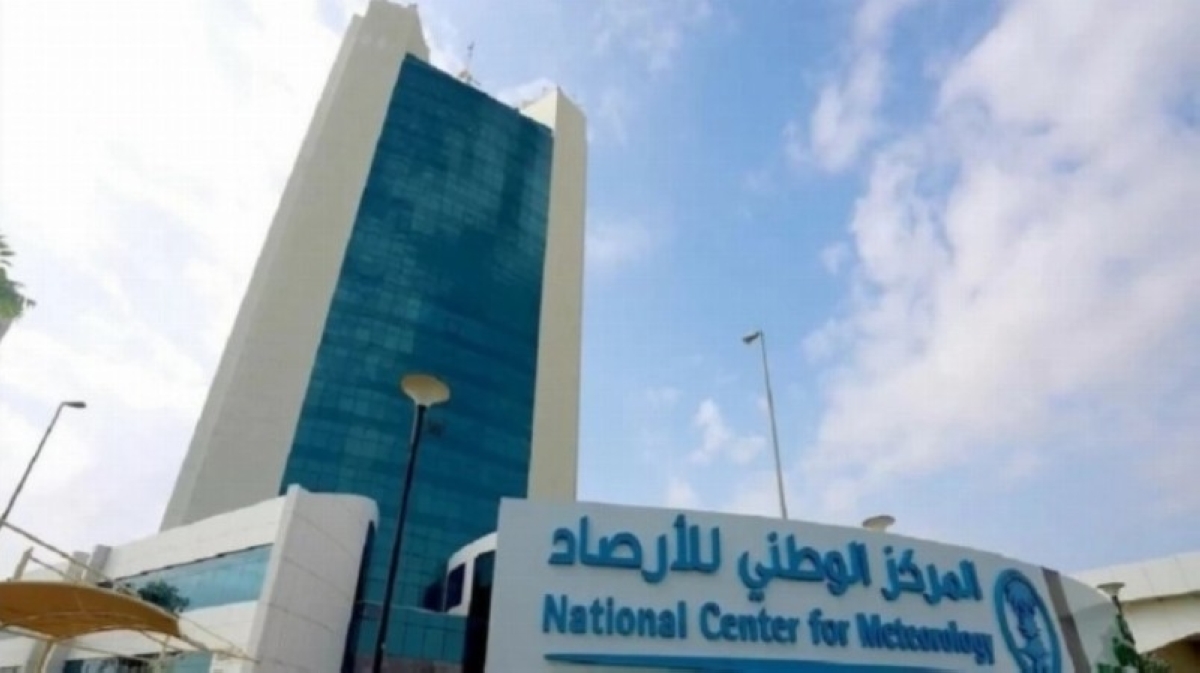

Saudi Arabia is bracing for a significant cold snap, with the National Center for Meteorology (NCM) issuing warnings for plummeting temperatures across several regions. The forecast predicts frost in the highlands of Tabuk, fog in eastern and southern provinces, and dust storms in central areas. These conditions are expected to begin immediately and persist for several days, impacting travel and daily life.
The affected areas include Tabuk, Al-Jouf, and the Northern Borders regions, where a substantial drop in temperatures is anticipated. Additionally, parts of the Eastern Province, Jazan, and Asir highlands are likely to experience dense fog, while dust-raising winds are forecast for Madinah, Hail, Qassim, and Riyadh. The NCM advises residents to take necessary precautions.
Severe Weather Conditions and Regional Impacts: A Temperature Drop
The NCM’s forecast details a complex weather pattern impacting different parts of the Kingdom. The primary concern is the sharp decrease in temperatures, particularly in the northern regions. This is due to a cold air mass moving southward across the region, bringing with it conditions not typically seen this time of year.
Temperature Extremes and Frost Risk
The highlands of Tabuk are at the highest risk of frost formation, potentially impacting agriculture and transportation. Residents in these areas are advised to protect sensitive plants and livestock. The report indicates that temperatures could fall below freezing in localized areas.
Fog and Visibility Concerns
Dense fog is expected to reduce visibility in parts of the Eastern Province, Jazan, and Asir highlands. This poses a significant hazard to drivers and could disrupt air travel. The NCM urges motorists to exercise extreme caution and reduce speed when driving in foggy conditions.
Dust Storms and Air Quality
Dust-raising winds are predicted to sweep across Madinah, Hail, Qassim, and Riyadh. These winds will reduce air quality and visibility, potentially impacting individuals with respiratory problems. The Ministry of Health recommends that vulnerable populations stay indoors during periods of high dust concentration.
The NCM also provided detailed information regarding marine conditions. Surface winds over the Red Sea are expected to be strong, ranging from 25-45 km/h in the northern and central parts. Wave heights could reach up to 2.5 meters, creating moderate to rough sea conditions.
Meanwhile, the Arabian Gulf is forecast to experience northerly to northwesterly winds at speeds of 18-40 km/h. Wave heights are expected to be between one and two meters, resulting in moderate sea conditions. These conditions could affect maritime activities and fishing operations.
The current weather situation is linked to broader regional weather patterns. A high-pressure system over Europe is driving the cold air mass southward, influencing weather conditions across the Middle East. This system is expected to remain in place for the next several days, maintaining the cold and unstable weather.
The potential economic impacts of this weather event are being assessed. Disruptions to agriculture, transportation, and tourism are possible. However, the extent of these impacts will depend on the duration and severity of the cold snap. The Ministry of Agriculture is monitoring the situation closely to provide support to farmers.
The NCM is continuing to monitor the situation and will issue updates as needed. Residents are encouraged to stay informed about the latest forecasts and heed the advice of local authorities. Access to reliable weather information is crucial during these conditions.
Looking ahead, the NCM anticipates that the cold spell will gradually subside by the end of the week. However, the timing and extent of the warming trend remain uncertain. Continued monitoring of the upper-air patterns will be essential to refine the forecast and provide accurate predictions. The public should remain vigilant and prepared for potential further fluctuations in weather conditions.